
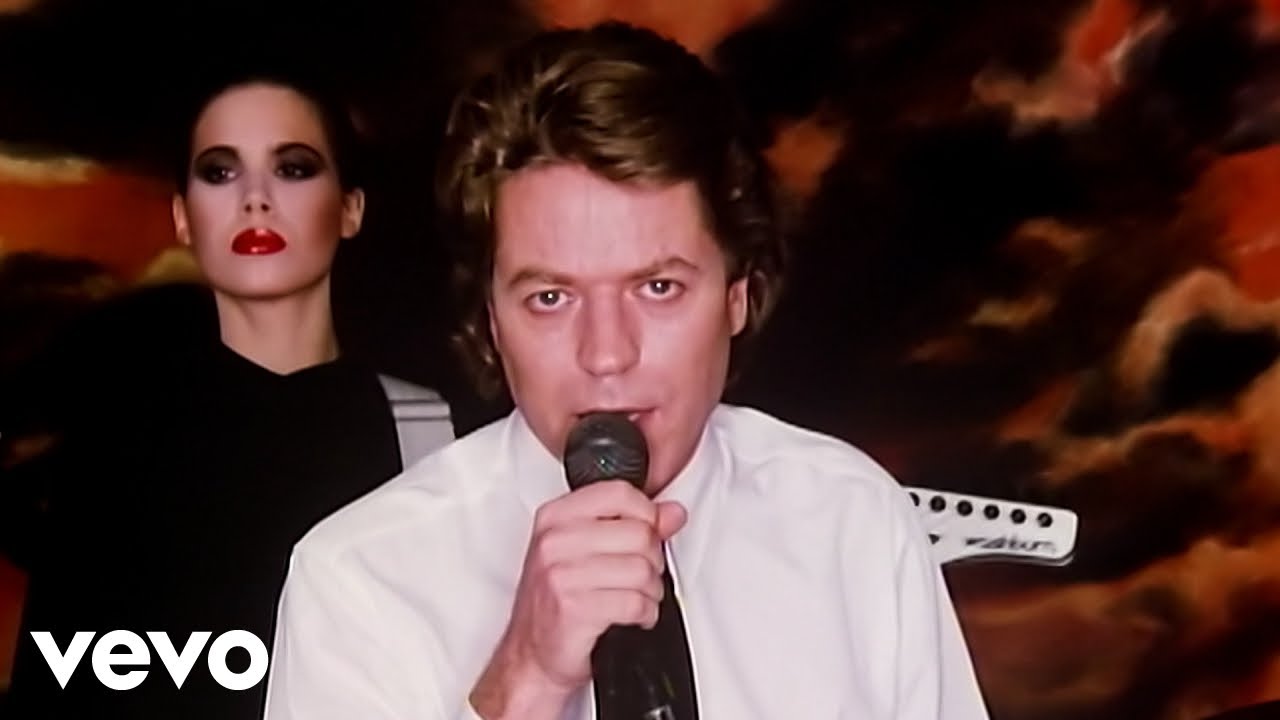
It’s 40 years this year since Robert Palmer’s Addicted To Love, the song which briefly turned him into a superstar in the US. It is, in many ways, the epitome of mid 80s pop/rock, from its crunching production to the blaring guitars and, of course, that video. But even now, few know that the song was originally supposed to be a duet, with Chaka Khan.
It remains unclear to this day why the decision was made to wipe Khan’s vocals. The track, like the rest of Palmer’s Riptide album, was recorded at the Compass Point studios in Nassau, where Palmer was living at the time.
The singer was on a commercial upswing. He’d just come off the Power Station album – the collaborative project with two fifths of Duran Duran and Chic’s Tony Thompson. That album’s first two singles had both been Billboard Top Ten hits and Palmer’s biggest success to date in the States.
Meanwhile, Chaka Khan was arguably at her commercial peak. Her most recent single I Feel For You had been a UK Number One and Number Three on Billboard. A collab between her and Palmer was surely a case of win-win?
Usually in these situations, a label signs off the duet and you see the phrase ‘appears courtesy of…’ on the album sleeve. It seems that Warners, Khan’s record company at the time, said no, apparently because they thought it would divert attention from the singer’s upcoming album, Destiny.
Instead, when Riptide was released, Khan's presence was wiped, with Palmer taking the high harmonies himself. She was, however, credited with the track’s vocal arrangements in the album credits.
On release in 1986, Palmer explained what had happened to the LA Times. Describing how the collab came about, he said: “I bumped into her at a club. We hit it off immediately. I spent the evening with her. I was impressed. She’s the one singer I’ve always wanted to sing with.”
“I told her I was recording and she wanted to come to the studio. She showed up and we sang this song together that I was working on. The record sounded great.”
Erasing her from the track, he said was heartbreaking. “Politics intervened. Her people said it was a conflict of interest. She’d have three singles out at the same time.
"She threw parts in and helped develop the song. I couldn’t use her vocals but she deserves credit for what she contributed to the arrangement.”
Certainly, the episode left Khan smarting. Speaking to Andy Cohen in 2022, she said: “We went into the studio and we sang together. He said ‘they’re going to love this’. I said, ‘Yeah the label is going to be so happy. What the f*** can they say?’
"Well, they sure found something…”
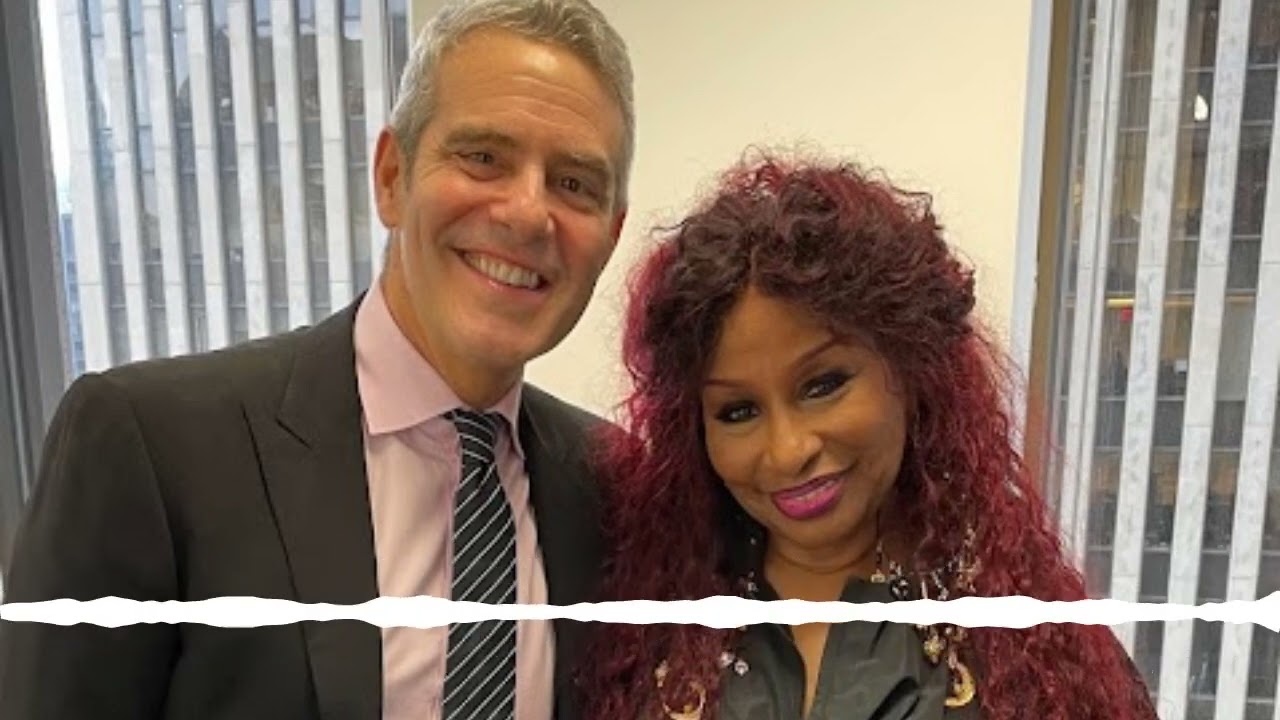
“My own label took me off… I just get the sense it was a racist ass move. He (Palmer) was upset. Robert didn’t understand it. He didn’t believe that racism existed like that.”
A couple of years later, speaking to the Daily Telegraph, she repeated the allegation. “That was a totally racist decision. We killed that song together. But they couldn’t see the greatness for the trees. We were both deeply hurt.”
Radio in the US was still largely demarcated along race lines at the time, though MTV had started to shake things up by the middle of the decade. Ironically, just weeks before Addicted To Love reached the Billboard chart summit, the US number one was another mixed-race duet – On My Own by Patti LaBelle and Michael McDonald.
We’ll probably never know the full story. Khan’s Destiny album was a comparative flop, only reaching the lower reaches of the UK and US charts. Meanwhile Addicted To Love became the huge success it was always destined to be. And 40 years on, the original duet version remains in the vaults.
