


When The Doobie Brothers released What A Fool Believes in January 1979, it played a key role in transforming the landscape of Top 40 music in the US.
Marking a significant departure from the Californian band’s boogie-rocking style, here was a song that blended soulful, emotive vocals with a sophisticated, keyboard-driven sound, epitomising a style that was dubbed ‘yacht rock’.
What A Fool Believes reached No.1 in the US and Canada by April 1979 and won Grammys for Song of the Year and Record of the Year in 1980.
It’s an intricate, beautifully-crafted composition. But like many great songs, its seemingly effortless charms belie a complex and troubled creation.
Formed in 1970 in San Jose, California, The Doobie Brothers forged a mainstream rock sound that embraced elements of folk, country and R&B.
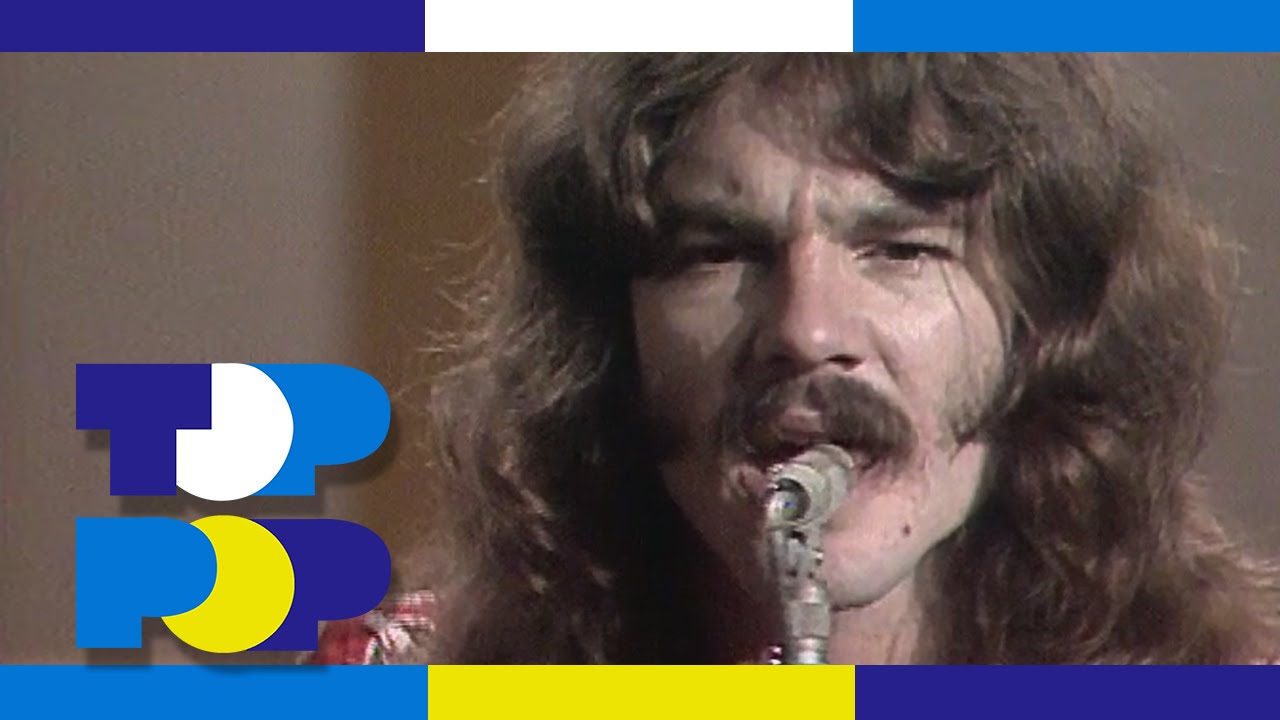
By 1975, lead vocalist, guitarist and keyboardist Tom Johnston was suffering ongoing health problems and Michael McDonald joined the band as keyboardist and co-lead vocalist.
St Louis-born McDonald was known for his soulful voice and had been a member of Steely Dan’s touring band since 1973, singing lead and backing vocals and contributing to albums such as The Royal Scam (1976) and Aja (1977).
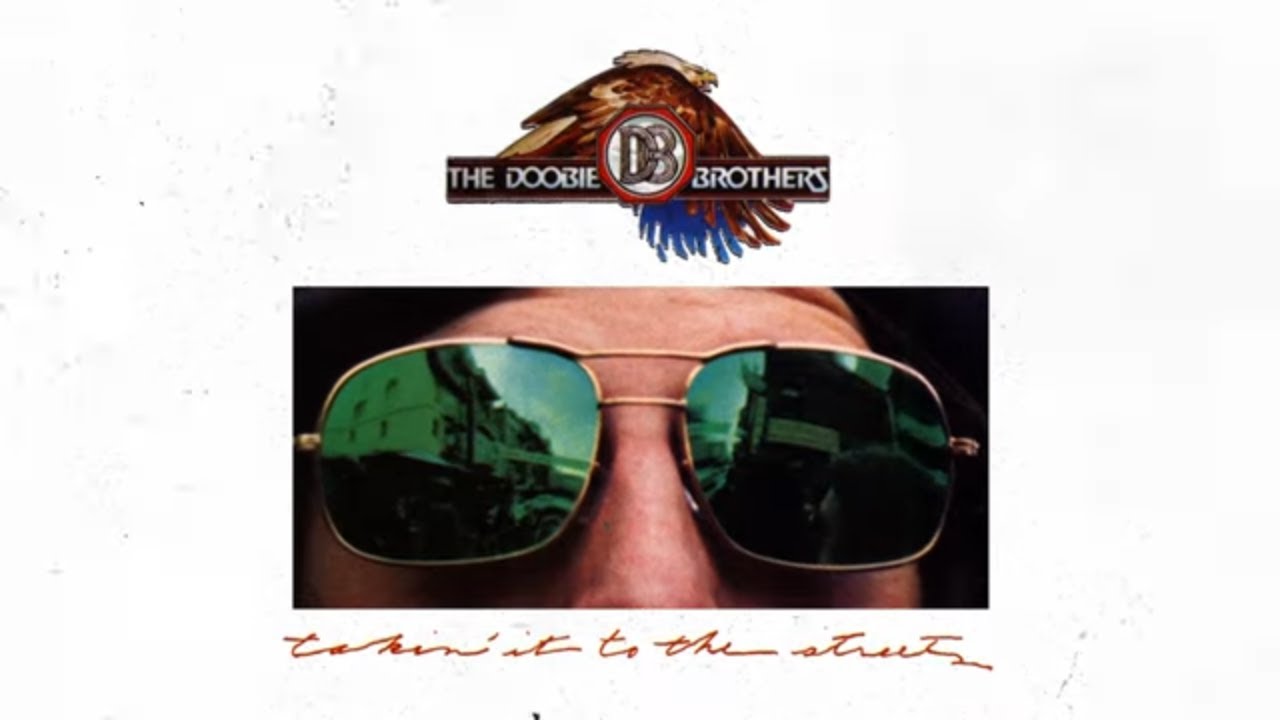
McDonald’s love of soul music introduced a whole new element to the band. The album Takin’ It To The Streets (1976) debuted this soul-influenced sound. Keyboards and horns were brought to the fore as were jazz-inflected guitar stylings.
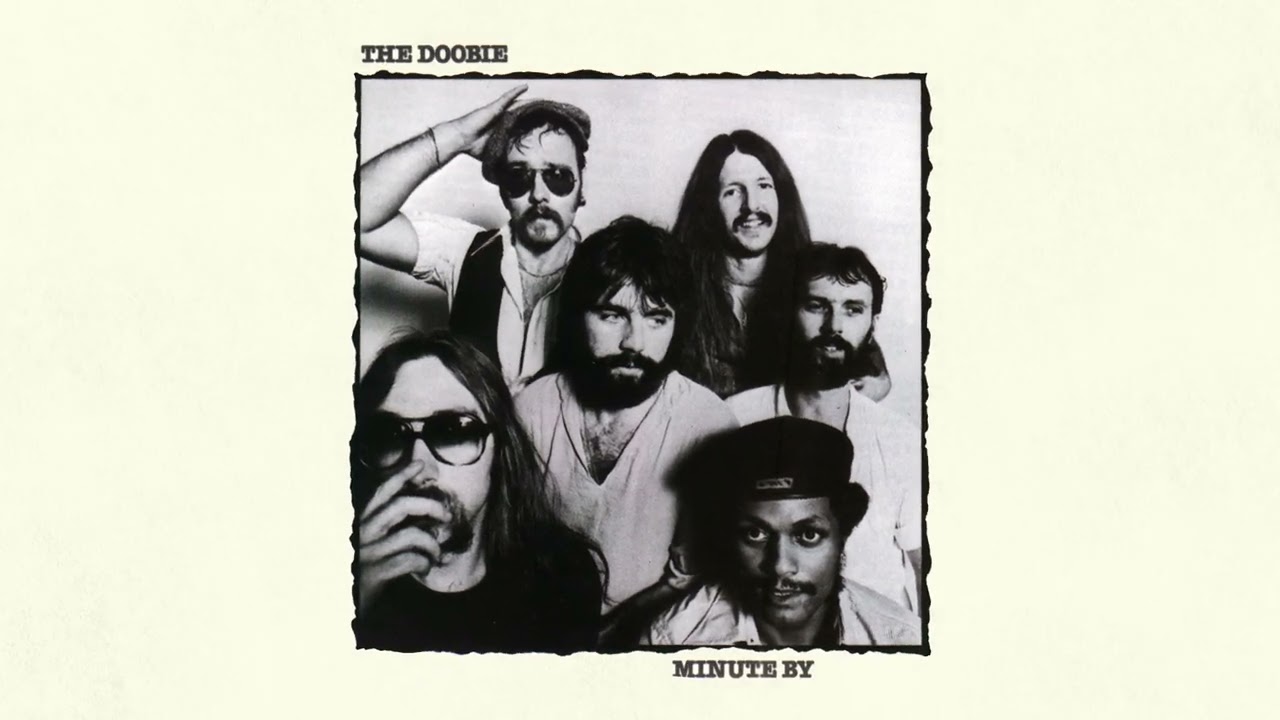
But it was the hugely successful 1978 album Minute By Minute that really elevated the band’s profile. Powered by What A Fool Believes as the lead single, the album reached No.1 in the US and Canada.
In a 2004 interview with Robyn Flans of Mix magazine, Michael McDonald recalled playing the early riff for the song to the band’s producer Ted Templeman who would always say, “You gotta finish that song. That’s a hit!”
But it took a songwriting session with Kenny Loggins for the new composition to really take shape. McDonald and Loggins had only recently met, but they were about to write a song that would transform both their lives.
On the day that Loggins drove down from his Santa Barbara home for their first writing session in North Hollywood, he could hear McDonald playing around with the song’s riff as he stepped out of his car.
In an interview with Ben Gilbert of The Guardian in 2022, McDonald recalled that first songwriting session, which started the second McDonald answered the door.
“He said: ‘You were just playing something at the piano. Is that new?’” recalled McDonald. “‘That’s what I want to work on first’. He had already come up with the song’s hook line – ‘She had a place in his life’ – before he’d got through the door.”
McDonald recalled that he and Loggins talked fondly of the records that they had grown up listening to, such as The Four Seasons’ hits Sherry and Walk Like A Man.

“They were a big part of our memory bank, and What A Fool Believes filled that space. By the next day, we had finished the track… I think it came out of nowhere and stylistically wasn’t like anything we’d done before or like anything anyone else was doing at the time.”
Lyrically, the song focuses on someone who meets a former lover by chance and becomes convinced that they still have a deep connection, despite clear evidence to the contrary. Ultimately, it is about self-delusion and unrequited love.
“She musters a smile for his nostalgic tale/Never coming near what he wanted to say/Only to realise it never really was.”
But while the writing process was brisk and efficient, recording the song was anything but.
The song was recorded at Amigo Studios in North Hollywood in August 1978. The Doobie Brothers recorded numerous takes of the song over a period of six days but struggled to find a version that they liked.
Recording the song and the whole Minute By Minute album was a tortuous process, McDonald told Mix magazine in 2004.
But there was one real high point. “There was a basketball net in Studio A and one of my fondest memories is that I got to shoot baskets with James Taylor, who was recording in the next studio.”
The recording of What A Fool Believes was brutal. “We cut so many versions of it,” McDonald said. “It was just a funny song to learn to play. We’d have a good verse section in one take and then the chorus would fall apart.
“We had big boxes of two-inch tape piled to the ceiling on just that one tune. We had gone through God knows how many rolls of tape trying to get that song. We just didn’t feel that we were capturing the groove.”
In a bid to achieve the feel they were looking for, their producer Ted Templeman eventually got behind a drum kit himself.
“We tried to cut it over and over and over, and we couldn’t get it to where it felt right,” said Templeman in The Billboard Book of Number One Hits by Fred Bronson. “We must have cut that thing for five or six days straight.
“I finally – just to get the feeling right – ended up playing drums on it myself along with [the Doobie Brothers’ drummer] Keith Knudsen. I just wanted a sort of floppy feel and if you listen to it, it’s really kind of a floppy record. It flops around, the drums aren’t perfect, nothing’s perfect on it. You know, a Rolling Stones record may not be perfect, but it’s got a feel to it.”
The synth parts on the track were created by McDonald with assistance from Little Feat keyboardist Billy Payne.
“He played some and programmed some for me, and we started building parts on the track, which brought the thing to life a little bit,” McDonald told Mix magazine. “The opening riff was an acoustic piano accompanied by an Oberheim 8-voice analogue synthesiser.
“We tried a lot of different wacky overdubs on that track, like at one point, we were stomping on a piece of plywood on the floor to recreate that kind of Four Seasons ’60s pop thing.
“We felt the track had a certain pop sensibility that was kind of retro in a way, and that always seemed to be where our heads were. Whenever we cut a track, we were constantly comparing it to stuff that was done years ago, either production value-wise or song-wise.”
With numerous takes recorded, but not one that the band were happy with, tensions came to the fore in the studio.
“As we were playing it, we were getting increasingly more frustrated, as you can imagine, snapping at each other,” McDonald told Mix magazine. “We finally got so frustrated, we just quit.”
At that point, recalled McDonald, Templeman said: “Don’t fret, I know we’ve got a take here. I know which one it is.”
“I’m looking at boxes of tape,” continued McDonald, “literally, piled to the ceiling, and he says, ‘Take number one on box three, and then from the bridge out, on take number one, box 12.’ I said, ‘Come on, Ted!’ And he said, ‘I’m telling you, I’ve kept track of it the whole day.’”
Templeman then announced that he was going to edit the song together from the array of master tapes piled up in the studio.
“That’s when I decided to cut the tapes,” said Templeman in an interview with Ben Gilbert in The Guardian in 2022. “We had about 35 boxes stacked up in the record booth. Michael looked at me in horror, the whole band did. In those days when you cut the tape, you’re over – that’s the master of your recording. But we got lucky and I put it together on the spot.”
By the time Templeman had finished the edits and had mixed the song, McDonald was too exhausted to listen. “I only lived a couple of blocks from the studio,” he told Robyn Flans of Mix magazine, “but when Ted called me to come to hear the mix, I said, ‘Ah, I couldn’t listen to it and be objective at this point. If you think it’s good, it’s fine with me’.”
![The Doobie Brothers - What A Fool Believes (Official Music Video) [HD] - YouTube](https://img.youtube.com/vi/qKYQNtF11eg/maxresdefault.jpg)
In the interview with The Guardian, Templeman recalls playing the finished song to the record company.
“When the song was finished, I still didn’t think it was right. I went over to Warner Bros and into a meeting with all these hitmakers and old pros. ‘This thing is a piece of crap,’ I said, ‘but I’ll play it for you anyway.’ I was just about ready to throw it away. And they said, ‘Are you crazy? That’s great!’ Even when we went to collect the Grammy for Song of the Year in 1980, I was thinking, ’How did this happen?’”
Templeman attributed the song’s success to McDonald. “His voice has such a unique range and quality. He added all the keyboard parts on the synthesiser, layered the vocals and then the string lines, which give What A Fool Believes that emotion. It’s a catchy melody with great lyrics: every guy has had a relationship with a girl who didn’t give a damn.”
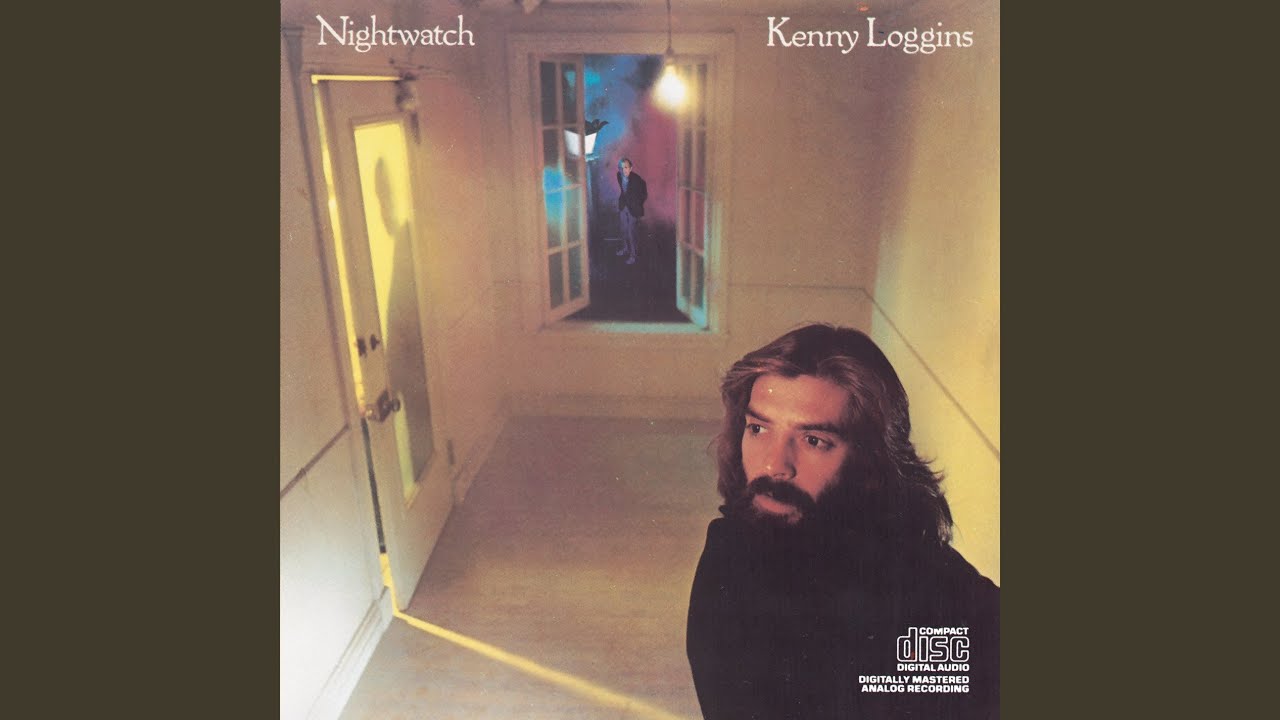
Kenny Loggins released the first version of What A Fool Believes in July 1978, created with producer Bob James, who was a gifted jazz pianist.
But it was The Doobie Brothers’ version that would sear itself into the public consciousness.
What A Fool Believes is widely regarded as the Doobies’ greatest song, with its soulful, soaring vocals, warm staccato keyboard riffs and strong melodic hooks. The song cemented McDonald’s reputation as one of the era’s finest pop songwriters and laid the foundations for his solo career that was to come.
“The Doobie Brothers kept the song in its simplest form and figured we didn’t need to get too wordy and just tried to capture its spirit,” Michael McDonald told The Guardian. “Our single came out at the start of 1979 and went to No.1 a few months later. It really captured the public’s imagination and developed a life of its own.”
