Released last year, Bon Iver's SABLE, fABLE was the sound of Justin Vernon leaving his signature brand of melancholic, finger-picked indie-folk behind, embracing a more uplifting and soulful musical direction on a record inspired by new love, self-acceptance and a hard-won peace of mind.
That project was co-produced by Vernon with Jim-E Stack, a producer and songwriter that's previously worked with Lorde, HAIM, and Caroline Polachek.
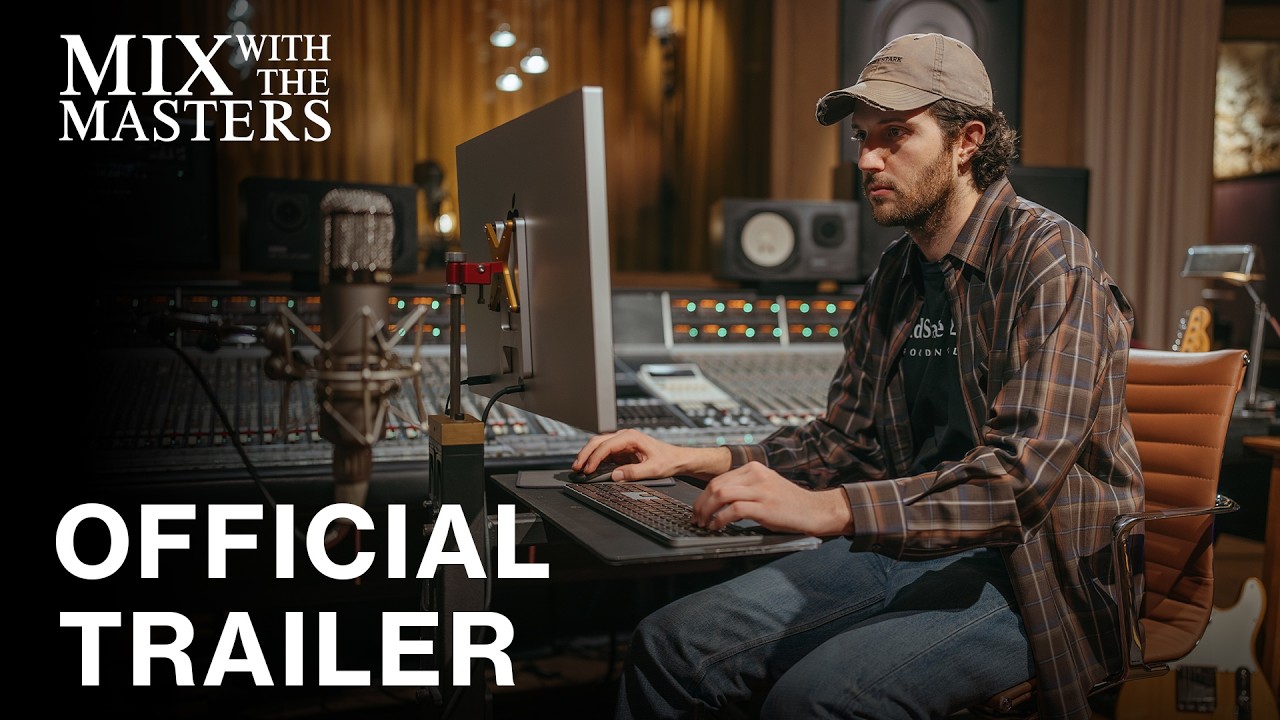
In a new episode of Mix with the Masters, Stack opens up his DAW to give viewers an insight into the making of SABLE, fABLE highlight Walk Home, a track built around a breakbeat sample, lo-fi synth chords and Vernon's vocals, layered and pitch-shifted with the Teenage Engineering OP-1.
Stack tells MWTM that the song started life with a drum sample, a looped break that the producer pulled up on a whim while the pair were recording demos in Vernon's garage.
"A lot of the time when Justin and I will work, I'll pull up a little drum pattern or a chord or a sample and get a vibe going, and we'll try a few passes singing a vocal. That's exactly how this song came to be."
With the drums in place, collaborator Eli Teplin laid down the chords on a Juno-DS, a digital synth released by Roland in the mid-2010s. "Then Eli came in... [there's] a ton of bleed, a little buzz in the background," Stack says.
"That was a Juno-DS keyboard, and it was literally plugged into Logitech computer speakers, not running into a board or an interface even. From there, Justin just took it away and busted out this melody."
Despite having recorded the keys running through budget speakers for the demo, Stack says that they ultimately decided to keep the lo-fi recording in the final mix, layering it with a re-recorded version in an effort to preserve some of the "grit" from the original take.
"It's such a classic-sounding song in so many ways, but [we were] finding all these little different ways of doing things, techniques and layers that give it a little funk, give it a little twist," Stack says.
"Sometimes you make a demo, you're writing a song and so much of the production is like, 'okay, let's do those drums better, let's get that down properly, let's get the keys down without the buzz, without all the bleed'. But that stuff, for this song, ended up being really important.
"That's something in general that I'm always drawn to preserving in the music that I make."
Visit the Mix with the Masters website to watch the full episode.
