
DJ Shadow rose to renown with the release of Endtroducing, a 1996 instrumental hip-hop classic that was the first album in musical history to be composed entirely from samples, dusty vinyl chops that Joshua Davis painstakingly assembled on the Akai MPC60.
Davis could’ve spent the remainder of his career pursuing the same sound, and some of his fans probably wish that he did. Instead, though, he chose to head in a different creative direction throughout the ‘00s, gradually abandoning the sample-based methods he mastered with Endtroducing in favour of an MPC-free workflow based around soft synths and Ableton Live.
In a new reader interview with The Guardian, Davis has expanded on the motivations behind this shift. Asked whether his move towards sample-free production was driven by the headaches and cost of the sample clearance process or a desire to explore new creative avenues, the producer admitted that it was both at the same time.
“There have been times in my career where I’ve wondered: at the end of the day, am I going to own only 15% of my catalogue because of all the samples? So that was part of it,” Davis says. “But equally, I became known as somebody who was trying to be on the vanguard of making music with samples but I always knew I would want to make music in as many different ways as possible.”
“Before there were [DAWs] like Ableton or Logic, the MPC sampler was the closest thing to working in the box that you could do,” Davis continues. “Not being very technically minded, it was easy and convenient for me to work that way.”
People are surprised: ‘How come there’s no dusty breaks?’ I already did that, and I’m doing new things
“I’ve never abandoned samples, and I always feel like my segue into making music in other ways has been very measured and at a genuine pace. So it’s interesting sometimes when people are surprised: ‘How come there’s no dusty breaks?’ I already did that, and I’m doing new things. I think that’s really important for an artist to do.”
Davis also elaborated on his decision to abandon the Akai MPC, the piece of kit that he used to craft his most successful project, and embrace DAW-based music production. Asked whether he might go back to the music-making set-up he used in the ‘90s, Davis said no, because he believes there’s no sense in “attempting to unlearn”.
“When I first started making music, I knew nothing about sound or the studio. I was totally self-taught,” he says. “But as you go along and you collaborate with other people, and you work in real studios, and you evolve … to me, there’s something artistically false about pretending that learning never occurred. It’s all about continuing to push forward as a creator.”
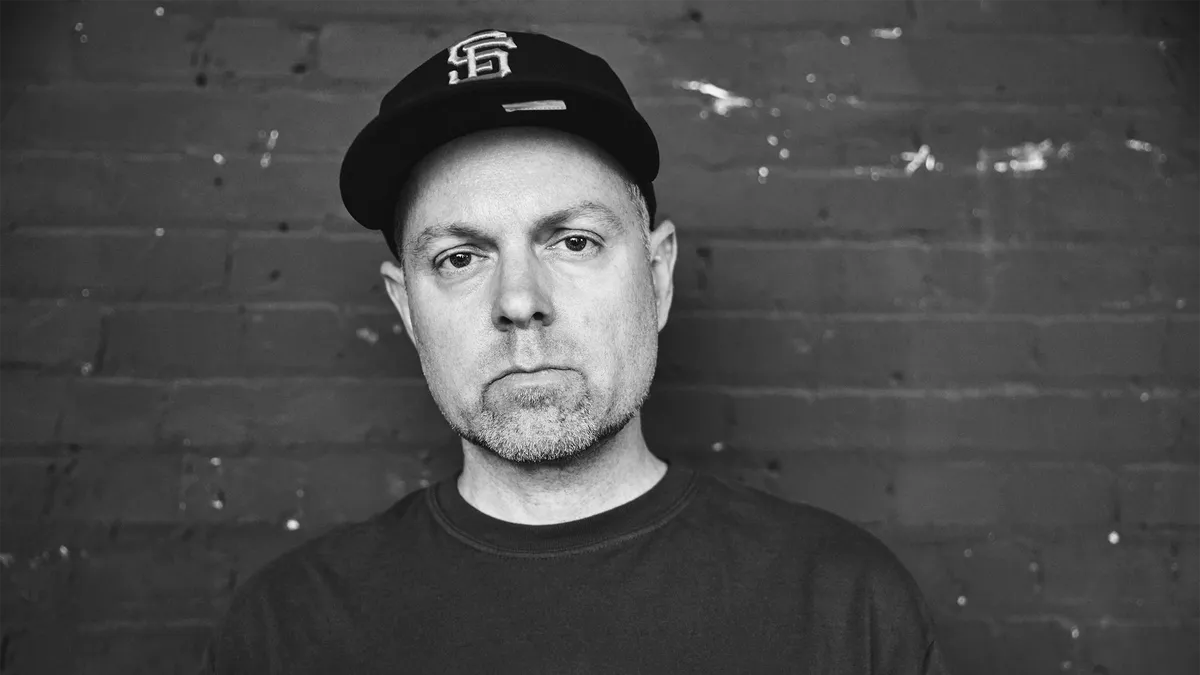
When we spoke to DJ Shadow in 2023, he said the same thing, telling us that the last project he worked on that was “MPC-intensive” was 2002’s The Private Press, and though he attempted to return to the MPC a few years later, experimenting with a newer model, he only “lasted about a day and a half”.
“When you know what the possibilities are, and then you try to go back in time to something that's constrictive, it just doesn't work,” Davis told us.
“Ever since that experiment, I just said nope, I'm gonna stick with it. Around 2012 was when I finally decided, okay, I've heard about this Ableton Live, I'm gonna sit down and read the manual front-to-back. Everybody's mind works differently, but to me, Ableton solved so many issues about my workflow and the way I think about music.”
