


English synth-rock pioneers Depeche Mode have written many a world-conquering anthem over the course of their four and a half decade-long career.
But late-1989 hit Personal Jesus, released as the lead single from 1990’s Violator album, is arguably the most famous of them all.
The song was penned in the summer of 1989 while the band were recording with legendary producer Flood [U2, Erasure, Nine Inch Nails] at Logic Studios in Milan.
Though it wasn’t the first time they’d experimented with six-strings, it made history for being the most guitar-heavy song they’d ever written, based around a bluesy single-note riff.
Alan Wilder, who was a member of Depeche Mode from 1982 to 1995, described Personal Jesus as “a significant move forward” for the group that still retained elements of their “former experimental self”.
He went on to reveal how the main stomp was a recording of “two or three people jumping up and down on flight cases” and likened songwriter, keyboardist and guitarist Martin Gore’s main theme to a John Lee Hooker riff, supported by “Kraftwerk-style synth parts”.
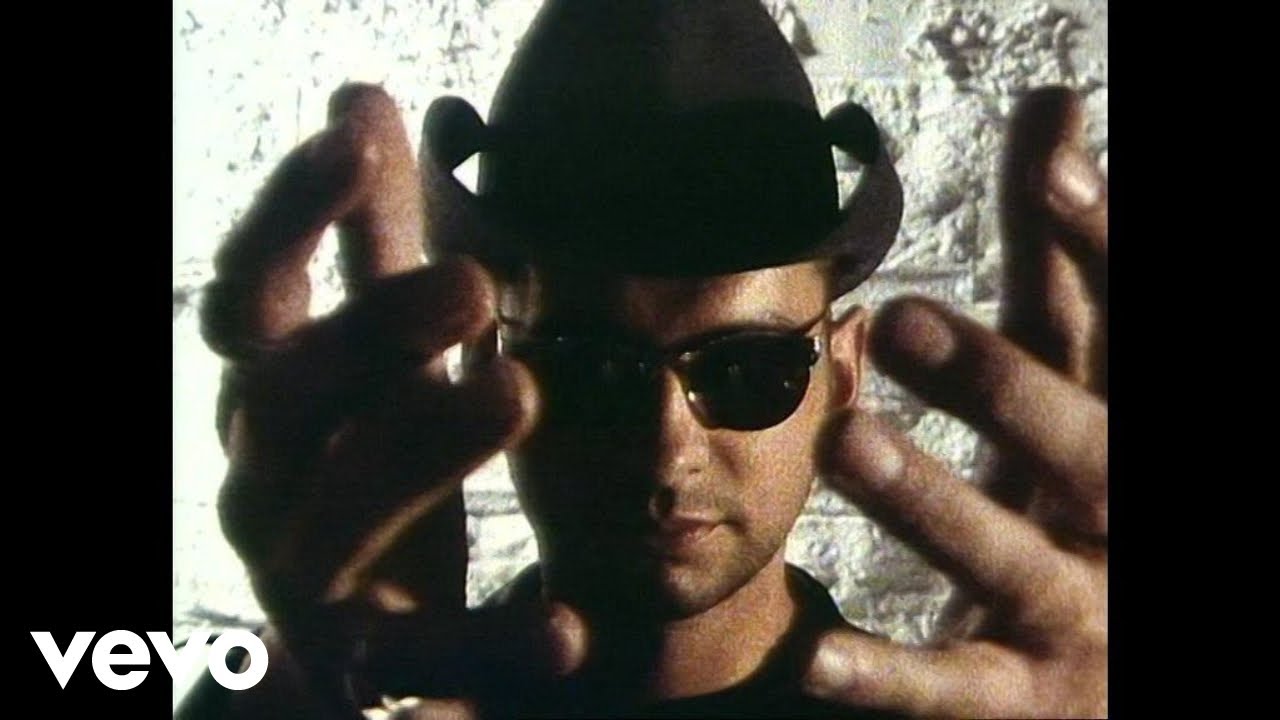
The song was inspired by Priscilla Presley’s 1985 memoir Elvis And Me, which uncovered her adoration of her late ex-husband.
“It’s a song about being a Jesus for somebody else, someone to give you hope and care,” Gore told Spin magazine a few months after Violator’s release. “It’s about how Elvis Presley was her man and her mentor and how often that happens in love relationships – how everybody’s heart is like a god in some way.”
He added: “We play these god-like parts for people but no one is perfect, and that’s not a very balanced view of someone, is it?”
In a 1998 interview with Gear Magazine, Depeche Mode singer Dave Gahan described Personal Jesus as a “very optimistic song” that’s about “having somebody you can really trust and talk to and get the right answers from”.
He explained: “What it’s saying is that if you can grasp on to something that’s much bigger than yourself and believe in it, then you have a faith and it’s always there. Really, I think it’s just about believing in yourself. The answers are inside, if you dig deep enough.”
The song has been covered by many high profile artists including recorded versions by Johnny Cash, Def Leppard and Sammy Hagar, as well as live renditions by Tori Amos, Garbage and Placebo. It was also reworked in 2008 by American actor, singer and author Hilary Duff.
In 2017, Dave Gahan told Entertainment Weekly that he was in the studio recording his second solo album in 2007 when he got a phone call from Gore with news of Johnny Cash’s request to cover their song.
“He [Gore] was kind of umming and ahhing about it, whether to give permission,” the singer revealed. “And I was like, ‘What? Are you crazy? That’s like Elvis asking! Of course you let him do it!’”
And when asked whether he liked what he heard, he was very complimentary. “It’s a great version, just fantastic,” Gahan admitted, noting how “it really propelled the song to another dimension”.
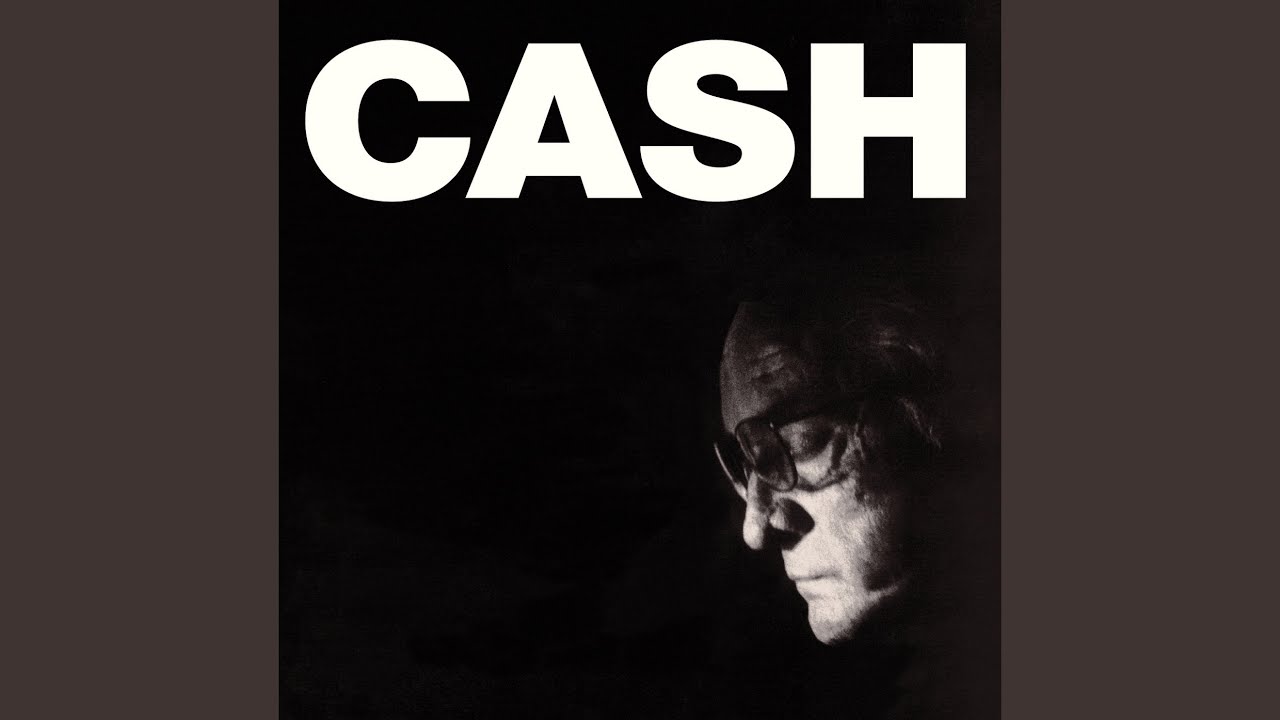
Gahan concluded: “Our version is our version, and it always changes a little bit live, the way it swings, what you do with it. And you can do a lot with it because it’s a great rock ’n’ roll song.”
Talking to Mojo in 2013, Cash was asked what attracted him to putting his own stamp on the track. “I heard that as a gospel song,” he revealed. “And if you think of it as a gospel song, it works really well.”
In another interview with NPR, Cash described his version as “a very fine, fine evangelical song, probably the most evangelical gospel song I ever recorded” and felt the lyrics were about “where you find your comfort, your counsel, your shoulder to lean on, your hand to hold on to your Personal Jesus”.
The song is in the key of F# minor, with its main riff being built around a root note and a minor third that gets bent up a quarter tone – both played on the sixth string – then the root note played an octave up on the fourth string.
During the verses, the same idea repeats on the fifth and third strings, essentially transposed perfect fourth up.
Though it can be played with a capo on the second fret, Gore usually tunes his guitar a whole tone up and plays the song in open position.
The opening notes at very beginning can be played as harmonics 12 frets up if you’re tuned like Gore, or at the 14th fret if you’re using a capo. There are also occasional ascending synth lines that can be recreated using a slide.
A long-time endorsee of Gretsch guitars, in the video he can be seen playing the riff on a Smoke Green Gretsch G6118 Anniversary model.
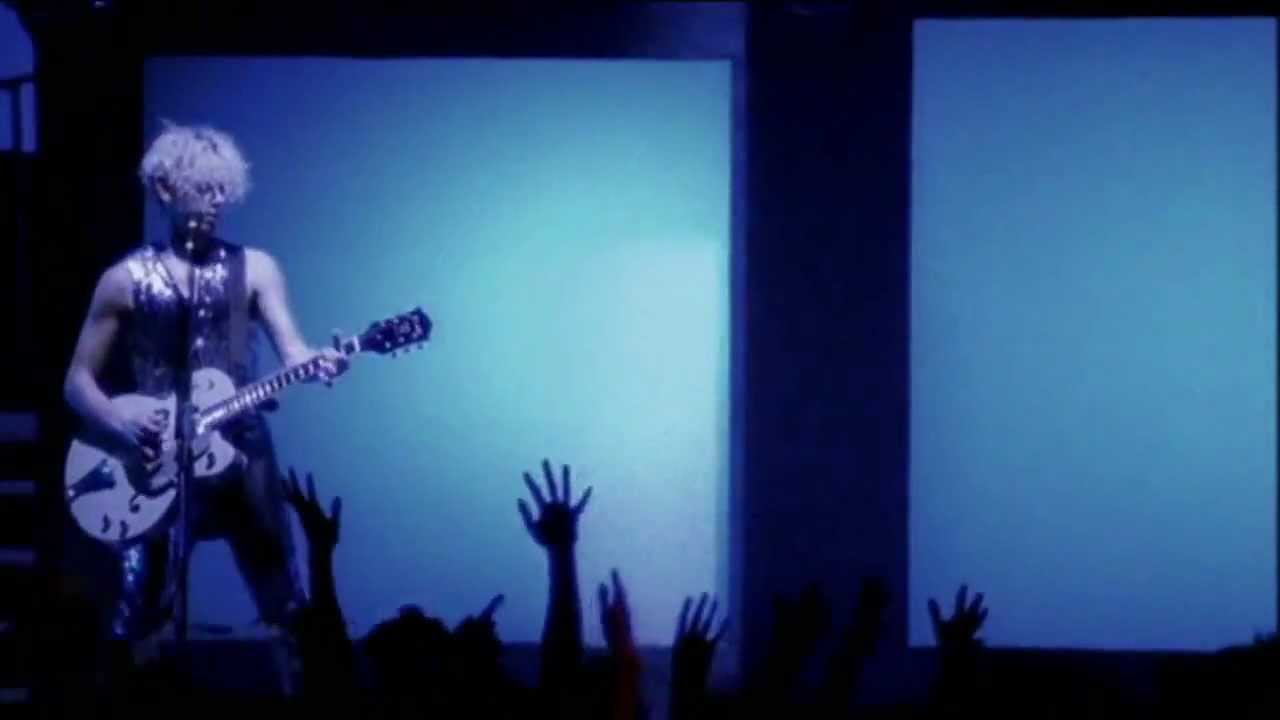
Last year, the legendary manufacturers announced they would be releasing a Martin Gore signature model, which the Depeche Mode mastermind referred to as “a great honour”.
“I have been a massive fan for so long and they are by far my favourite guitars,” he admitted, while also revealing he’d built up a sizeable collection and probably owned most of the models the company make.
36 years on from its release, Personal Jesus remains one of the jewels in the crown of synth-rock.
