
Written by Peter Green in 1968 about Sandra Elsdon, a former girlfriend he had nicknamed ‘Magic Mamma’, Black Magic Woman is a song that has legendary status when it comes to guitar history.
It was first released as a single by Green’s band Fleetwood Mac in March 1968, only a month after it was recorded.
The track then appeared on various Fleetwood Mac compilations albums of the late ‘60s, as well as the others that followed.
Mike Vernon, the producer of Black Magic Woman, said that the song represented “a high spot in the band’s early recording career”.
However, Peter Green is not the only famous musician connected to the song.
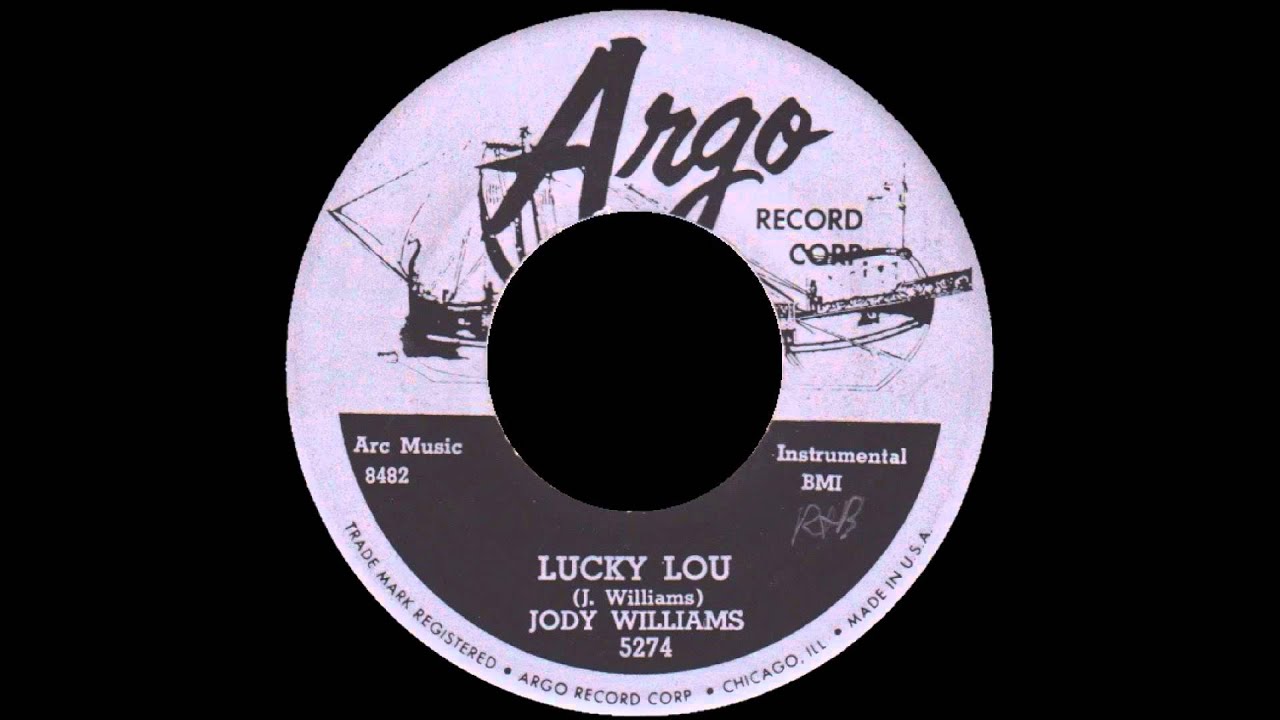
Its history can be traced all the way back to the obscure 1957 instrumental Lucky Lou by Chicago guitarist Jody Williams, which then inspired fellow Chicago musician Otis Rush to rework its riff into his 1959 track All Your Love (I Miss Your Loving).
This version was then covered by John Mayall & The Bluesbreakers for their 1966 landmark ‘Beano’ album, which featured Eric Clapton on lead guitar – although by the time of its release, Clapton had left to form Cream.
The remaining members of the Bluesbreakers – drummer Mick Fleetwood, bassist John McVie and Green – would form the nucleus of what would soon turn into Fleetwood Mac.
In Martin Celmins book Peter Green: The Biography, originally published in 1995, the guitarist admitted that “one of things [Mayall] said was that if you really like something, you should take the first lines and make up another song from them. So that’s what I did with Black Magic Woman”.
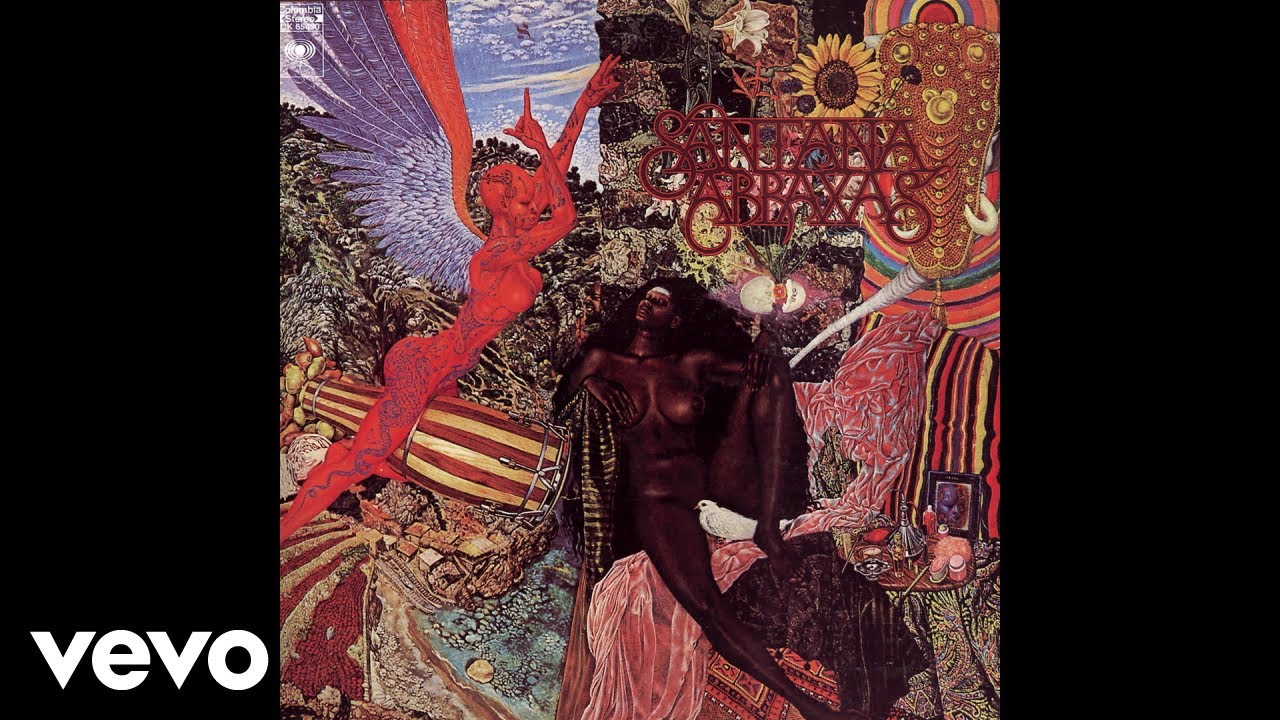
But its story doesn’t end there. In 1970 the song was covered by Santana – the Latin American rock band led by Carlos Santana – and was released as the lead single from their seminal second album Abraxas.
Santana’s rendition of Black Magic Woman – featuring keyboard player Gregg Rolie on lead vocals – reached No.4 on the US and became the best-known version of the track.
Carlos Santana once admitted that he “used to go see the original Fleetwood Mac, and they used to kill me, just knock me out” and even went as far as saying “to me they were the best blues band”.
In 2019, he told Rolling Stone how the song came into his orbit and what drew him to its mystical charm.
“I swear to you, and this for real, whenever we play Black Magic Woman, I remember the first time we played it in a soundcheck in Fresno in a parking lot,” he revealed. “We were in the beginning. And Gregg Rolie brought the song from Fleetwood Mac and Peter Green.”
He added: “I remember saying, ‘Hmm, I can bring a little bit of Otis Rush here and a little bit of Wes Montgomery here.’ Because I just think like that. It’s kind of like a chef – bring a little bit of oregano and jalapeños and garlic and onions. So to this day, when I play Black Magic Woman, I think of Otis Rush and Fresno in a parking lot. And it gives me the same results.”
Both the Fleetwood Mac and Santana versions of the song are in the key of D Minor.
In the Fleetwood Mac recording, which was performed less loosely and slightly faster, the main chord progression is Dmin7/Amin7/Dmin7/Gmin7, ending with a final sequence that descends through Dmin7/C/Bb/A/Dmin7.
This concept is then punctuated by a dramatic D Minor triad played on the 19th, 18th and 17th frets of the G, B and high E strings respectively.
The same triad can be heard at the very beginning of the song, with Green holding the chord and adding vibrato to get the strings to continue ringing.
The first solo arrives one minute into the song, with Green starting off in the second pentatonic box for D Minor around the 13th and 15th frets, before coming back down to the first position at the 10th fret.
The solo is therefore built out of the pentatonic scale, though Green choses to expand on the song’s minor feel with a flat six interval over a Gmin7 chord, played on the 11th fret of the B string. He also exaggerates some of the bends and vibrato to add intensity and feel in places.
For the recording he used his 1959 Gibson Les Paul Standard – Greeny. It now stands as one of the most valuable guitars on Earth thanks to its history with him, as well as later owner Gary Moore and current owner Kirk Hammett.
However, when interviewed by Guitar Player 25 years ago, Green downplayed the guitar’s ‘magic’ quality and even described its neck as “funny-shaped”. He admitted that seeing Eric Clapton using a treble pickup one night inspired him to remove his bass pickup. And when he felt it was time to reinstate the front pickup, there was a happy accident that led to the guitar’s well-documented out-of-phase sound.
“I put it back on the wrong way around so that the poles – the pickup screws – were facing in the opposite direction,” he admitted. “People would say to me, ‘You got that special out-of-phase sound’. I don’t know what out-of-phase is. Phase for what? Phase – it sounds like a good name for a group.”
He continued: “Mind you, it didn’t make any difference to me. People would say that I got a special sound and try to force me to agree, but I don’t think so.”
History was made at the 1998 Rock And Roll Hall Of Fame Induction Ceremony when Green performed the song alongside Santana – a collaboration which celebrated the fact that the inductees for that year included both of their bands.

Now approaching six decades since Fleetwood Mac first released it as a single, with connections to many a guitar legend, Black Magic Woman remains one of the most definitive classic rock tracks of its era.
