
If you like your beats and loops to be bold, unique, huge, and electronic, and love creating them in a hands-on and tactile way, then you've come to the right place. Hardware beat makers are back in vogue so we've compiled this huge buyer's guide of the best drum machines you can currently buy.
With so many cheaper software alternatives available, you’d have thought that hardware drum machines were redundant these days. After all, your DAW is packed with sounds, samples and instruments to make beats, and there are thousands of software beat makers out there to add if not. So why follow the hardware route?
Well, if you lack drumming skills, or mates with them, then software is a great way to create perfect beats. But as good as it undoubtedly is, there’s something about owning a real drum machine that makes DAWless beat making so attractive in the 2020s.
Hardware drum machines give you that hands-on feel that software doesn’t, the real-time build up of patterns and loops that – unless you have a great MIDI controller – can’t be replicated in software. In short, hardware drum machines give you the tactility of real-world beat making combined with machine-like accuracy and fantastic electronic and acoustic sounds, no human required.
Hardware drum machines can also be surprisingly affordable, as music gear prices haven't accelerated as much as some goods, and buying some of our recommended drum machines can be almost as cheap as buying a software plugin, and we know which we'd rather hit for beats!
So, just like analogue synths before them, drum machines have made a comeback, with people opting for the tactile feel of creating beats from scratch over the often point-and-click software alternative. Consequently there are now more hardware beat boxes available than ever before, from simple beat shapers to all-in-one grooveboxes, with synth and melody lines thrown in for good measure.
In our all-new best drum machines guide, I've included models of all prices, shapes, sizes and sounds so you can easily decide which one will suit your music production workflow. For example, if you're looking for a dependable, portable unit for a good price, you can't go wrong with the Roland Aira Compact T-8. However, you'll also get a lot of fun from the Soma Laboratory Pulsar-23 which is an excellent option if you really like to mess around with your beats.
I've detailed more essential advice on what to look for when buying a drum machine at the end of this feature in the FAQ section, along with a glossary of terms and answers to some of your most oft-asked drum machine questions, so read on for the best drum machines of the year.
Best portable

The lowdown: As well as offering emulations of classic Roland drum sounds – with legendary 808, 909 and 606 kits all included – the T-8 also benefits from a 303-style bass synth. All of your vintage beat and bass grooves in one, basically.
Build quality: While Aira T-8 might be a classic Roland groovebox, easily capable of producing the complete backbone of your track with one box, it houses all of this power in a small, portable, and compact box – ideal for classic grooves anywhere.
Performance: These are classic Roland sounds, reproduced in an emulation-meets-samples format, and are in many ways as good as the originals but for way less cash. You’d be hard pressed to find a cheaper and more convenient source of groovebox sounds in hardware.

"Great fun and a genuinely useful combo of drums and bass. The whole thing was hampered only by the less than ideal menu system and limited display."
Read more: Roland T-8 Beat Machine review
Best budget
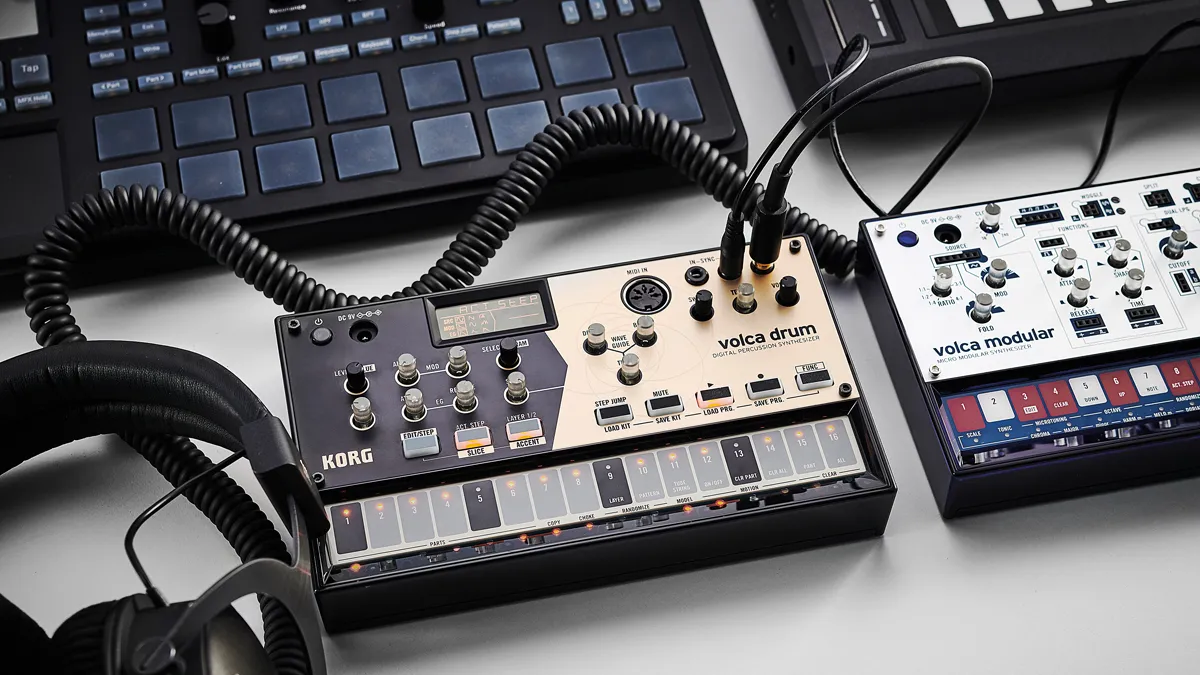
The lowdown: Unlike some of its Volca siblings, Drum is digital but uses modelling to create its varied beats to give you that liquid, analogue feel. It includes a set of virtual analogue oscillators, modulators and resonators to create these diverse percussive sounds.
Volca Drum has a set of six identical sounds that you can take and shape to be whatever you like, so doesn't automatically lead you down the standard kick-snare route – you can basically create kits of whatever sounds you like.
Build quality: Like all Volcas, this is all housed in a compact and reasonably solid body, with plenty of features accessed directly or via a Shift button. Mobility is a plus here too.
Performance: With a setup that already moves away from standard electronic dance sounds, Drum a great module for more interesting sound design journeys. Unlike many drum machines here, it’s great to play hardware that moves beyond those standard XOX beats, but it is still a must-try for dance music producers.

"A genuinely unique drum machine with creative depth that punches well above its price point. A must-try."
Read more: Korg Volca Drum review
Best premium

The lowdown: A long-awaited return of analogue circuitry in a Roland TR drum machine, but there's also a lot more packed in including Roland’s ACB tech, simple FM synthesis, PCM synthesis and samples. However, those analogue TR sounds are the headline, 16 drum voices that authentically replicate those found in the original TR-808 and TR-909, although you will have to pay a high price for them.
Build quality: The layout of the TR-1000 shares a lot of similarities with the TR-8S, although its size and shape are closer to that of an original 909. It’s heavier than its predecessor – its metal chassis gives it a tough tank-like feel, which is appropriate for one of the most expensive drum machines on the market. It does have an abundance of connectivity including individual audio/trigger outputs for each of its ten drum sounds.
Performance: I had some sync problems with my review unit that Roland said it was addressing but these aside, the TR-1000 has the makings of a future classic, albeit one that doesn’t come cheap. It’s hard to think of another drum machine that aims to do quite so much.
"The TR-1000 is a drum machine that promises to be a real crowdpleaser, and mostly delivers. Some teething issues aside, this deserves its place as the flagship of Roland’s iconic TR range."
Read more: Roland TR-1000 Rhythm Creator review
Most versatile

The lowdown: Circuit Tracks is an update to the 2015 Circuit groovebox, and has an incredible level of depth and performance, all housed in a very hands-on and approachable box. You get a dual polysynth, four track drum machine and plenty of sequencing and performance options making Tracks great as a portable synth and drum sketchpad, or an all-round studio workhorse.
Build quality: This is thinner and more compact than the original Circuit, thanks to losing the on-board speaker, which isn't too much of a drawback (the original was good but not great). With USB power it can be taken and charged anywhere although its 4-hour battery life can be restrictive.
Performance: The two polysynths focus on both virtual analogue waves or an assortment of wavetables, while the beats are selected using the pad grid with a total of 64 pre-loaded sample slots so there's a lot of sonic flexibility on each of the four drum tracks. Circuit Tracks has plenty to offer music makers at all levels, from portable composer to sequencing a live setup.
"Circuit Tracks is an excellent update to one of the best value hardware instruments on the market. Very much a home run for Novation."
Read more: Novation Circuit Tracks review
Best all-analogue

The lowdown: Impact is a more compact version of Arturia's DrumBrute, and features 10 instruments as opposed to the original's 17. However don't be fooled by those stats as much of the Impact has been overhauled, with more distortion added to that already very analogue drum synthesis engine. So while it might be smaller and cheaper, there's a beefier attitude on show.
Build Quality: Impact looks similar to the original, housed in a solid, navy blue chassis familiar from the rest of Arturia’s ‘Brute range, and its front panel will be very familiar to DrumBrute users. However it's narrower, slightly taller and deeper, and the wood panelled ends of the original have been replaced by a fin-like shape with orange trim.
Performance: The overall range of sounds has been switched up which will be good news to a few users who were less than impressed with the original, and a Color mode adds an extra sonic layer and character. In fact the clue is in the name as the sounds here are impactful, and while it lacks a little sonic flexibility, Impact is an inspiring drum machine at a good price.
"Not the most versatile on the market, but it combines quality drum synth sounds with a killer sequencer, at a very tempting price."
Read more: Arturia DrumBrute Impact review
Best for sampled beats

The lowdown: The original Digitakt was an 8-track sampling beat maker that also acted as an excellent MIDI hub; version II doubles down with 16 tracks, stereo output plus upgraded modulation, sequencer, filter and effect options.
Build quality: Like all Elektron gear, you can feel the quality with a great, solid build, excellent pads and sturdy controls, but its internal specs are more impressive. It increases memory from 64MB to 400MB while upping the sample storage from just 1GM to 20GB.
Performance: This extra headroom massively benefits the performance, with double the track count meaning more complex results, while the implementation of flexible LFOs and an additional multimode filter contribute to dynamic patterns and a more aggressive sound.
Those not convinced by the original might not have their heads turned but Digitakt II is an upgrade with considerably more depth and power.
"Those that got on well with the original Digitakt will love the extra tools and flexibility, but naysayers may remain unconvinced."
Read more: Elektron Digitakt II review
Best drum synth

The lowdown: This 2022 drum machine was given a big update a couple of years ago that puts it in my pile of top recommendations thanks to mix of a classic analogue and digital FM synthesis, all combined with a groovebox flexibility. It might be one of the more expensive options but is one of the most inspiring machines on the market.
Build quality: Again this Elektron reeks of quality with a solid, compact build housed in a chassis that’s the same size as both of the company's Octatrack and Digitakt instruments, with a control layout almost identical to Digitakt. Elektron users will feel at home, especially with some of its workflow eccentricities.
Performance: These include distinct ‘machines’ to generate different types of sound, with 12 tracks in total, of which four are analogue and eight digital. While Syntakt pushes the definition of what a drum machine actually is, it really taps into precisely what I look for in a hardware groovebox – you’ll be hard pressed to find a more capable percussion synth than this.
"Building on the successes of multiple other Elektron instruments, Syntakt is a top quality groovebox with a lot of power under the hood."
Read more: Elektron Syntakt review
Best hybrid

The lowdown: A large, analogue/digital hybrid drum machine very much built for creating intricate sequences and beats. HD-01 has a diverse sound, combining digital sound generators with analogue resonant filters and meaty overdrive. Eight controls for each of its four voices that allow to surgically shape your beats, while exceptional sequencing features then assemble them into dream patterns.
Build quality: At nearly 4kg, and over 40cm wide, this rugged, well-built box is why you buy a modern drum machine. It will sit solidly on any desktop and almost demands you get on with physical beat making. Sequencer buttons respond well and those vintage-style rotaries add all the analogue grit and drive you need.
Performance: With all of those flexible controls, this is an exceptional drum machine, albeit at a price. If you want beats like no other, from delicate to over-the-top, you'll forgive the odd workflow quirk and lack of screen because these beats will provide all the backbone your tracks require.
Best for variety
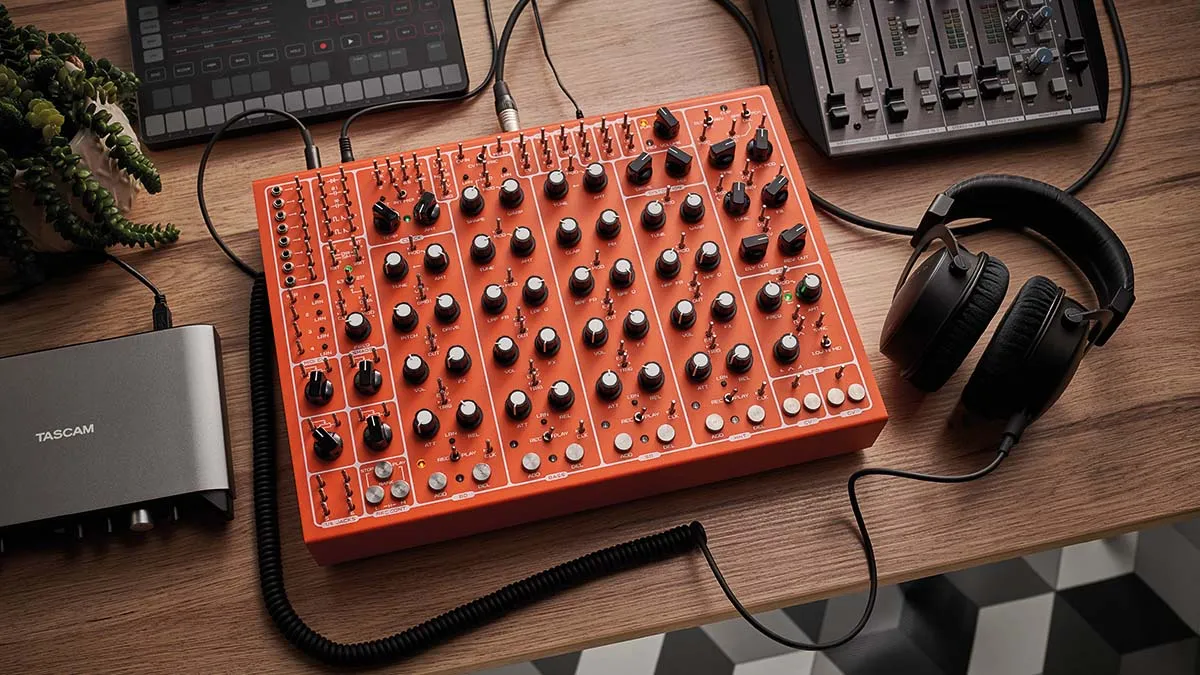
The lowdown: A four-voice percussion synth, with each voice labelled Bass Drum, Bass, Snare Drum and Hi-Hat, but in truth its experimental nature means that these names are just a starting point – two are even melodic in nature so you're not just restricted to beats.
Build quality: This is another solid, desktop drum machine but it has a very different, semi-modular approach. Be prepared to wrestle with the sound, making connections yourself with supplied crocodile clips to link patch-point pins together, or even link these just with your fingers for less predictable results.
Performance: And talking of predictable, Pulsar 23 is anything but; it's an exceptional machine for creating unusual textures, drones, and happy accidents. It's pretty eccentric, then, but it’s also one of the most powerful, creative and inspiring instruments out there.
"Pulsar-23 is pretty eccentric, but it’s also one of the most powerful, creative and inspiring instruments on the market right now."
Read more: Soma Labs Pulsar 23 review
Also tested
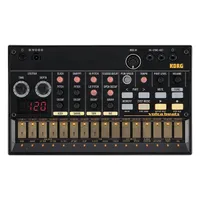
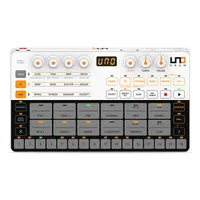
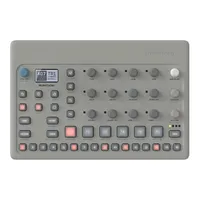
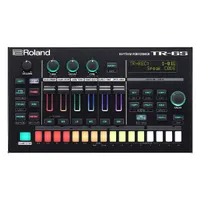
So, those are the drum machine we think tick the boxes for most use cases and budgets. However, the drum machine market is huge and we've tested most of the options you should be considering today. Below you'll find a handful more of our top-rated drum machines.
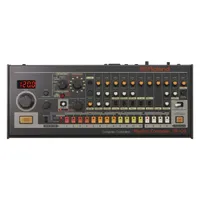
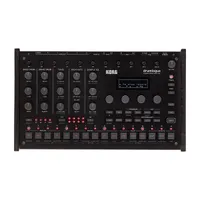
How to choose the best drum machine

While price is always going to be a major consideration, the sound you're after should also be a top priority as this can vary enormously between models. Many of the machines in this roundup offer standard but tweakable vintage drum sounds synonymous with Roland, but make sure there are enough editing and sequencing options included as well, or else you might just as well use the similar sampled drum sounds that are likely found in your DAW.
Other devices offer a lot more sonic scope and experimentation, with either analogue synth circuitry used to generate drum tones, or you might get a much more flexible analogue and digital hybrid approach. Maximum sonic flexibility comes with totally customisable models that let you load in your own samples by means of an SD card or similar.
Other factors
After the sound, think mobility. If you are taking your drum machine on the road, you'll also need to decide whether you need portability or are happy with a heavier, more static model that will stay in your studio.
The number of audio outputs can be very important too, especially when it comes to beats. Individual drum sounds can be processed for maximum flexibility in either your DAW or through a mixing desk, so individual outs for each drum sound are your goal here – a separate output for each sound means it can be treated with its own effects. If you only have a stereo out, there are ways around this, like making multiple passes with individual sounds running in solo, or transferring each sound, one by one to a DAW.
Performance workflow
Hands-on drum machines should have an intuitive workflow, especially if you want to use a drum machine to perform with on stage. Look for a user-friendly interface, and something that is well lit, ideally with a clear, large screen.
You won't want to be fiddling with too much menu diving either, and you'll also require decent-sized pads to navigate to and perform with, rather than fiddly buttons. Chaining individual patterns together into full tunes is a must if you want to program your machine to handle complete song duties while you play over the top, or even to create different patterns while playing live.
MIDI / Sync
Our focus here is on standalone machines, but any degree of connectivity is going to be useful at some point – you will want to integrate your beats with other hardware and/or your DAW – so ensure your chosen machine has MIDI at least, and the ability to sync to an external clock source.
FAQs
How many drum tracks do I need?
This is effectively 'how big a drum kit do you need', which is obviously dependant on the style of music you make. Minimal techno? Just a kick will do. OK, I'm being a little facetious, but sometimes the best beats focus on individual and impactful sounds rather than throwing multiple drum tracks at a tune.
You simply have to focus on balancing the number of tracks with the sonic flexibility you get to change individual drum track sounds. For example, you might only get four drum tracks but if these are backed up with a analogue-style drum synth engine, and digital effects, you can really twist and turn these sounds into something special.
If these drum tracks are sample based, though, you can trigger as many samples as your drum machine allows so try and get a good balance of both if deeper sound design and sonic flexibility are your goals.
Are drum machines only good for dance music?
Yes… and no. Drum machines were developed to be used by band members and musicians who simply lacked a real drummer, but because they ended up not quite fulfilling this brief, their more electronic sound actually led to the formation of a lot of dance music.
Roland's famous XOX sounds (808, 909 etc) are the prime example of this, originally intended to reproduce acoustic sounds but adopted by '80s dance producers to create house and techno. Almost by definition, then, drum machines became dance music machines, but many do veer away from this core beat-making philosophy and some can certainly be tweaked to create more acoustic drum sounds.
However, you might just find it easier get a drummer of you require these, or perhaps, more realistically, software instruments that focus on acoustic kit recreation (like Superior Drummer from Toontrack).
Should I go for classic Roland sounds over newer beats?
Again this depends on the genres you focus on. Most of the drum machines in this roundup will include classic electronic dance sounds, but if you want to create more impactful, interesting, and deeper electronic beats, choose a drum machine with synthesis options.
For more acoustic style beats, yes some will cover these, but, again, software instruments dedicated to particular kist are likely a better alternative.
What connections do I need?
Audio outs are standard, but the more the better as you might want to process each drum sound separately in an external mixer or DAW. A single stereo output is more likely on cheaper models, which you can get by with, but might require making multiple passes so you can process each solo sound individually.
Micro SD cards are becoming standard for added storage and sonic flexibility, and CV, sync and MIDI connectivity are especially useful if you want your drum machine or groovebox to be the central sequencing component of a larger hardware setup.
What's the difference between a drum machine and a groovebox?
Grooveboxes were a very 1990s hardware solution where beats were combined with (usually) bass lines to recreate classic 808/90099 and 303 style all-in-one units for dance music. These mimicked the very stripped back production methods of early dance music and are still a great way to create instant tunes which you can then add to with either hardware or software instruments.
Essentially then, a Groovebox just adds other tracks and leads you towards more complete songs and total hardware DAW (digital audio workstation) territory, very much a flourishing area of music production in its own right.
Is ease of use really that important?
Drum machines were originally intended for people who couldn't play so should be, almost by definition, easy to use. But do consider your main uses for your drum machine. Live performers will want a user-friendly and well lit interface, possibly with larger drum pads and less menu diving. Pay attention to how chaining individual patterns together into full tunes works as you'll want some variation in live beats. And check out the hands-on performance features that you can get on some drum machines that introduce chance, stutter and other great real-time effects.
How much should I spend?
You can get great sounds, analogue style synthesis, portability and hands-on fun for less than a couple of hundred dollars, Euros or pounds, and some machines will even rival software in terms of cost, and can be worth it just for that physical interaction with your beat making.
While some drum machines cost well into four figures, these are really for creating more unusual beats (think Pulsar 23 and Perkons HD-01); you get what you pay for, but if it's standard dance beats you need, you really don't need to splash that much cash at all.
Glossary
Each drum machine in our roundup has the following specs:
Sounds: These will either be analogue or digital or a hybrid of the two. Generally speaking, analogue sounds can be deeper and more precise when editing, while digital sounds offer flexibility, especially if you can sample any sound in to add to your drum kit.
Effects: Many drum machines come with effects per sound, or kit. These allow you to add reverbs, delays or compression to keep beats tight and even. The more effects, the better, although you can quite easily record your created beats into your DAW (with a suitable audio interface) to add more effects.
Sequencer: These are used to create patterns from the kits included on your drum machine and vary from simple step programming to real-time recording and often allow you to add automation – the movement of various parameters in real time – to a pattern after you have programmed it.
Connectivity: Usually listed as the number of outputs (the more the better); USB connectivity (to your computer and to connect with your DAW); Sync in/out and MIDI (see more on these below); audio in (for processing external signals); power supply (usually USB, external PSU or batteries); and finally size and weight.
How we choose products
Here at MusicRadar, we are experts in our field, with many years of playing, creating and product testing between us. We live and breathe everything music gear related, and we draw on this knowledge and experience of using products in live, recording and rehearsal scenarios when selecting the products for our guides.
When choosing what we believe to be the best drum machines available right now, we combine our hands-on experience, user reviews and testimonies and engage in lengthy discussions with our editorial colleagues to reach a consensus about the top products in any given category.
First and foremost, we are musicians, and we want other players to find the right product for them. So we take into careful consideration everything from budget to feature set, ease of use and durability to come up with a list of what we can safely say are the best drum machines on the market right now.
Find out more about how we test music gear and services at MusicRadar.
Why you can trust us
☑️ MusicRadar established 2007
☑️ Over 5,000 reviews on-site
MusicRadar first launched in 2007 and has been an authority on drum gear ever since, rigorously testing the majority of key launches since day one. The site is run by a diverse team of passionate musicians who live to gig, record and jam, alongside a core group of trusted specialist freelance writers. We understands what players need, because we’re players ourselves, and we test from this perspective.
Our team have been testing music gear for 18+ years, constantly refining our methodology, delving deeper into products and drawing on our experience of what has come before to understand today’s products better than anyone.
Meet the experts
I'm the Managing Editor of Music Technology at MusicRadar and former Editor-in-Chief of Future Music, Computer Music and Electronic Musician. I've been messing around with music tech in various forms for over two decades. I've also spent the last 10 years forgetting how to play guitar. Find me in the chillout room at raves complaining that it's past my bedtime.

Andy has been writing about music production and technology for 30 years having started out on Music Technology magazine back in 1992. He has edited the magazines Future Music, Keyboard Review, MusicTech and Computer Music, which he helped launch back in 1998. He owns way too many synthesizers.
Latest updates
02/04/26: The guide has been completely re-written from the ground up, with each product entry more structured and split into easy to navigate sections. We've added expert verdict boxes with links to reviews where applicable and also added a section on how best to choose a new drum machine. You'll also now find a glossary highlighting key terms alongside details of why you can trust the MusicRadar team. The FAQ section is completely new, while we've also included a "Meet The Experts" section so you can discover more about the authors of the guide.
Read more:
MusicRadar's got your back Our team of expert musicians and producers spends hours testing products to help you choose the best music-making gear for you. Find out more about how we test.
- Best MIDI pad controllers for beatmaking and sequencing
- Best MIDI keyboards for Mac, PC, iPhone and iPad
- Best synthesizers: top keyboards, modules and semi-modular synths
- Best studio headphones: great cans for music production
- Our pick of the best Eurorack modules
