
Before the release of his breakthrough single Loser, Beck David Hansen’s life didn’t really look like it was amounting to much.
The American musician would often find himself couch surfing, with no permanent residence of his own, while also using a fake ID to attend college classes and working a string of odd jobs like loading trucks and operating leaf blowers to make ends meet.
“I was living in a shed behind a house with a bunch of rats, next to an alley downtown,” Beck told Rolling Stone in 1994. “I had zero money and zero possibilities. I was working in a video store doing things like alphabetising the pornography section for minimum wage.”
After a few unproductive years of slumming it and performing to uninterested crowds at the coffee shops and bars tied to the New York City anti-folk scene, a chance meeting with producer Carl Stephenson from Rap-A-Lot Records in his native Los Angeles ended up sealing his fate as a ’90s alt-rock icon.
The singer/songwriter visited Stephenson at his home and performed some of his latest material. The producer recorded a slide guitar part and looped it over a drum track, before adding some extra samples.
Beck then started rapping over the loop in the style of Public Enemy’s Chuck D, though his producer remained for the most part unimpressed. This sense of failure led to the light bulb moment that produced the song’s defining chorus hook.
Listening back to the vocals he’d recorded, he felt like he was “the worst rapper in the world” and basically “a loser”, which prompted him to sing the line: “I’m a loser baby, so why don’t you kill me?”
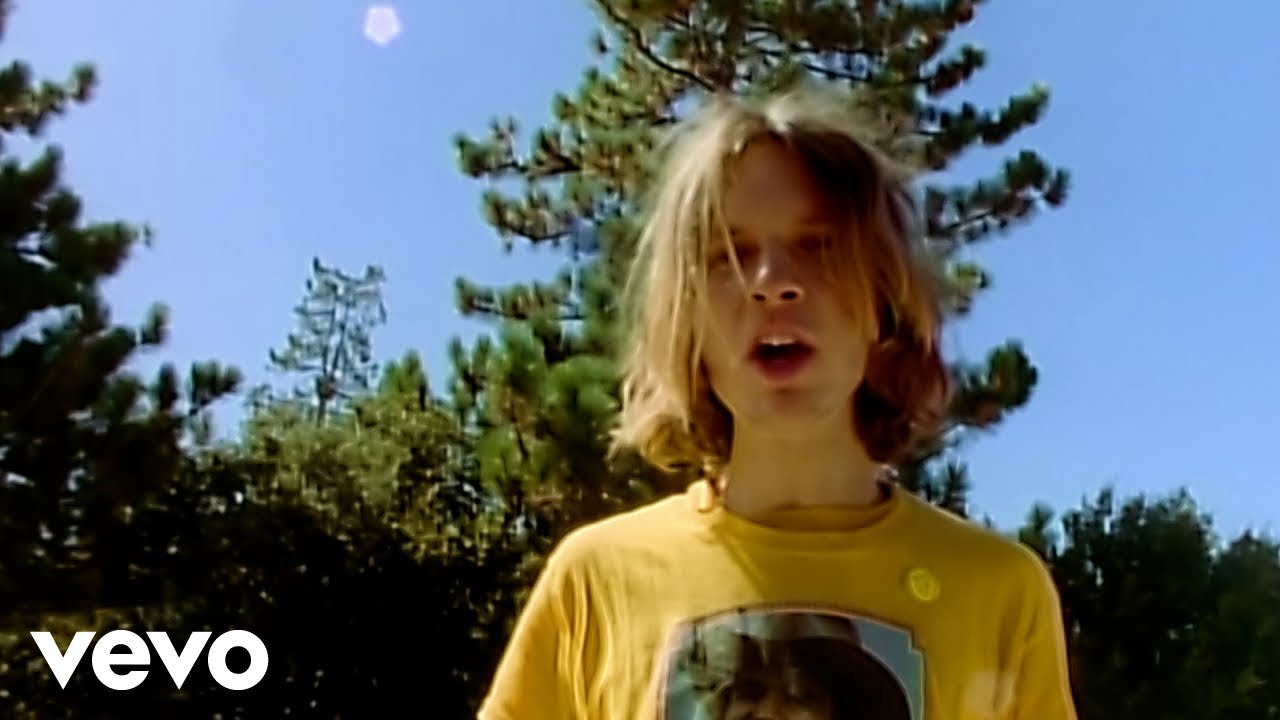
The musician later admitted that the raps and vocals were “all first takes” and that if he’d known the impact it was going to have, he would have “put something a little more substantial in it”.
At the very beginning of the chorus, Beck sings “Soy un perdedor” which is Spanish for “I’m a loser”. It’s a reference to his childhood in the multicultural hotpot of Los Angeles where many of his school friends were of Mexican descent.
The song was finished in just over six hours with only a handful of minor overdubs made, and was reflective of the Generation X deadbeat/slacker culture of its time, with elements of self-mockery and fatalism.
Its only guitar riff is a simple repeating Dropped D motif, performed using a slide. Beck chose to slide up to the F power chords played on the third fret and then slide down from the closing G power chords played on fret five.
The drum track was sampled from Johnny Jenkins’ 1970 cover of Dr. John’s 1968 song I Walk On Guilded Splinters.
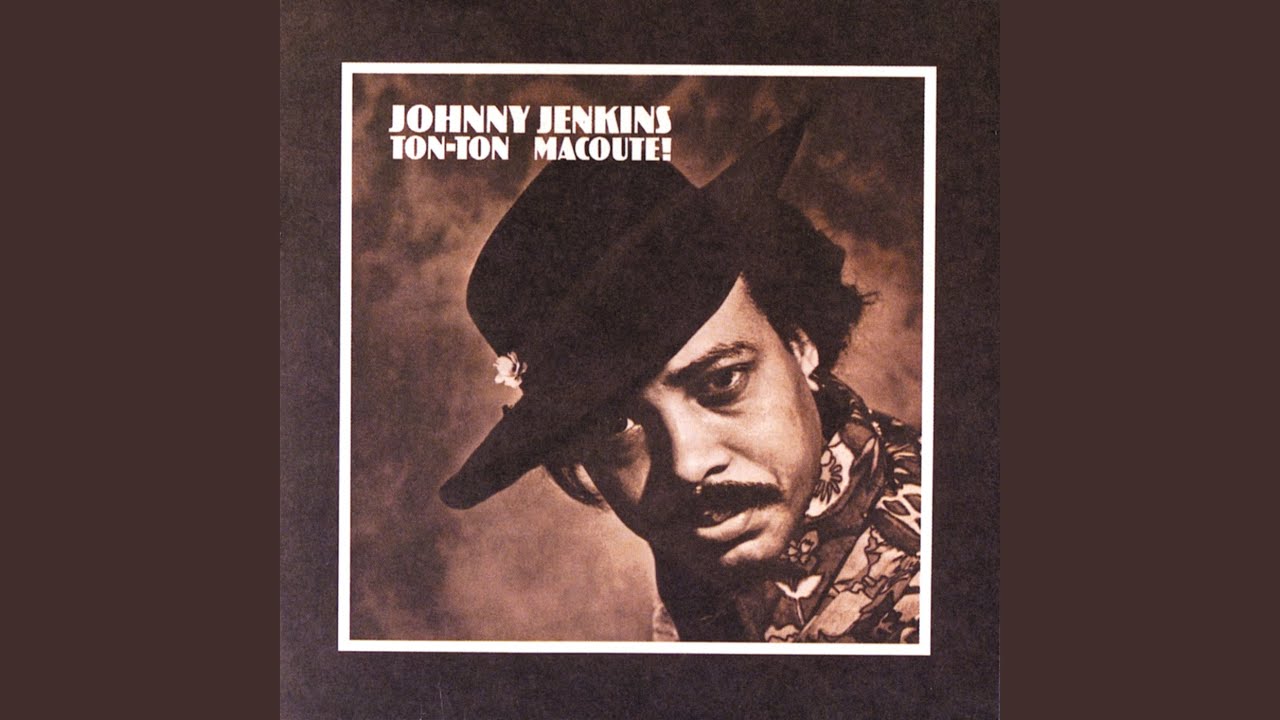
Other instrumentation included a tremolo-effected guitar, Stephenson’s sitar line and a bass line also tuned down, using the second, fourth and fifth frets against the Dropped D.
During a break before the final chorus at the end of the song, Beck and Stephenson included a sample from the 1991 Steve Hanft-directed film Kill The Moonlight, the line in question being: “I’m a driver, I’m a winner, things are gonna change, I can feel it”.
Hanft also directed the video for Loser and would go on to work with Beck in subsequent years.
Musically, the song has been referred to as ‘stoner rap’ though Beck has often been vocal about the folk roots behind the music itself.
“I’d realised that a lot of what folk music is about is taking a tradition and reflecting your own time,” he once explained. “I knew my folk music would take off, if I put hip-hop beats behind it.”
Loser was first released in March 1993 on independent record label Bong Load, co-owned by Tom Rothrock – the man who put Beck and Stephenson in touch with each other. It received an unprecedented amount of radio airplay, which quickly led to major label interest.
Convinced he had a hit on his hands after selling out of the initial run of 500 12-inch vinyl singles, Rothrock gave a copy to his friend Tony Berg who worked in the A&R Department of Geffen Records.
Berg admitted that he “just lost his mind” upon hearing the track and called Rothrock back straight away to arrange a meeting with Beck.
With a bigger label behind him, Beck re-released the song in January 1994 and it peaked at No 10 on the Billboard Hot 100 while also performing successfully in the UK, Australia and through much of Europe – even topping the charts in Norway.
Nevertheless, Beck was able to keep himself grounded during this relatively fast rise to superstardom.
“Believe me, all of this has fallen in my lap,” he told Rolling Stone after the single’s release. “I was never good at getting jobs or girls or anything. I never even made flyers for my shows.”
He added: “And until, like, six months ago, I didn’t know that you could get paid for playing.”
With much of the world’s media dubbing him as the epitome of the new “slacker movement”, Beck chose to distance himself from the scene typically associated with underachievers and good-for-nothings.
“Slacker my ass!” he refuted. “I never had any slack. I was working a $4-an-hour job trying to stay alive. That slacker stuff is for people who have the time to be depressed about everything.”
33 years on from its original release, Loser remains one of Beck’s most enduring tracks alongside other hits like Where It’s At, Devil’s Haircut and The New Pollution.
