Dijon’s Baby is not only one of the most critically acclaimed albums of the year, but also among the most interesting on a production level.
Sounds and moments come and go so quickly that it’s sometimes hard to work out what they were and why they were there, but the distinctive thread that keeps the show on the road is the Dijon’s (Dijon Duenas) distinctive vocals.
Inevitably, many fans have tried to work out how these are processed. However, speaking to DeadWax, producer Tommy King, who worked on multiple tracks on the record, suggests that there’s far less going on than you might think.
Quizzed on how Dijon’s vocals are treated, King says: “People ask that question so much because he has such an identifiable sound… It's literally just his voice.”
Quite the plot twist, but there are other factors in play, many of which relate to the way that Dijon likes to record.
“Sometimes, you know, he can be in his garage with like a 414 [AKG mic] or something. And other times, he's just [Shure] SM57 and the mains are as loud as they can go. And then what you're hearing - the ‘processing’ - you're hearing bleed. You're literally hearing the entire song coming through, right? You're hearing a million different vocals. I mean, they're stacked and it's just fully freestyle.”
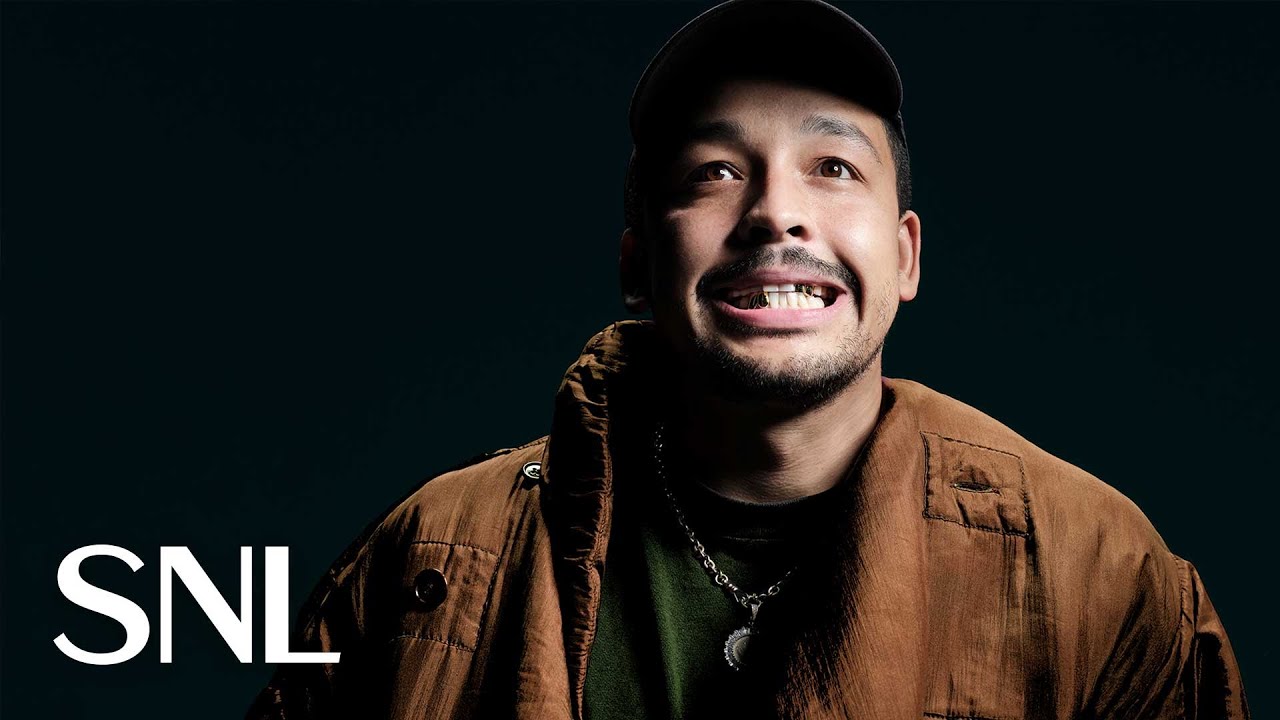
In fact, ‘freestyle’ is a good way to describe Dijon’s approach to the album as a whole. King says that, in the beginning, the various collaborators on the album (others involved included Mk.gee, BJ Burton and Andrew Sarlo) set up a few drum machines - the Elektron Octatrack, an Akai MPC and the Roland TR-8 were all heavily involved, apparently - and just jammed through the night.
“He'd be on his drum machines and his modular stuff with the microphone just kind of like scratching,” says King of Dijon’s role in all this. “For him it's all, like, freestyle. I don't think he's going back home and writing lyrics. It’s just like… catching vibes.”
In the end, though, it was down to Dijon to coral these ideas into a finished album at his garage studio, a process that King says took around two months.
“Ultimately, you know, Djon being that incredible producer that he is, needed to isolate, and figure it out, you know? And I remember when I first heard this stuff, he was like, ‘Hey, Matt, it's done.’ I walked over and listened. We live four houses away from each other. And I went to his garage and I was just like, ‘What? What did you do?’”
King’s surprise stemmed from the fact that, although some songs sounded similar to those he’d originally worked on, others had been transformed completely. However, rather than taking offence, he completely understood.
“What he did was turn it into an interpolation of what is going on in that wild brain,” says King. “He had to take it home and finish it and make it his album.”