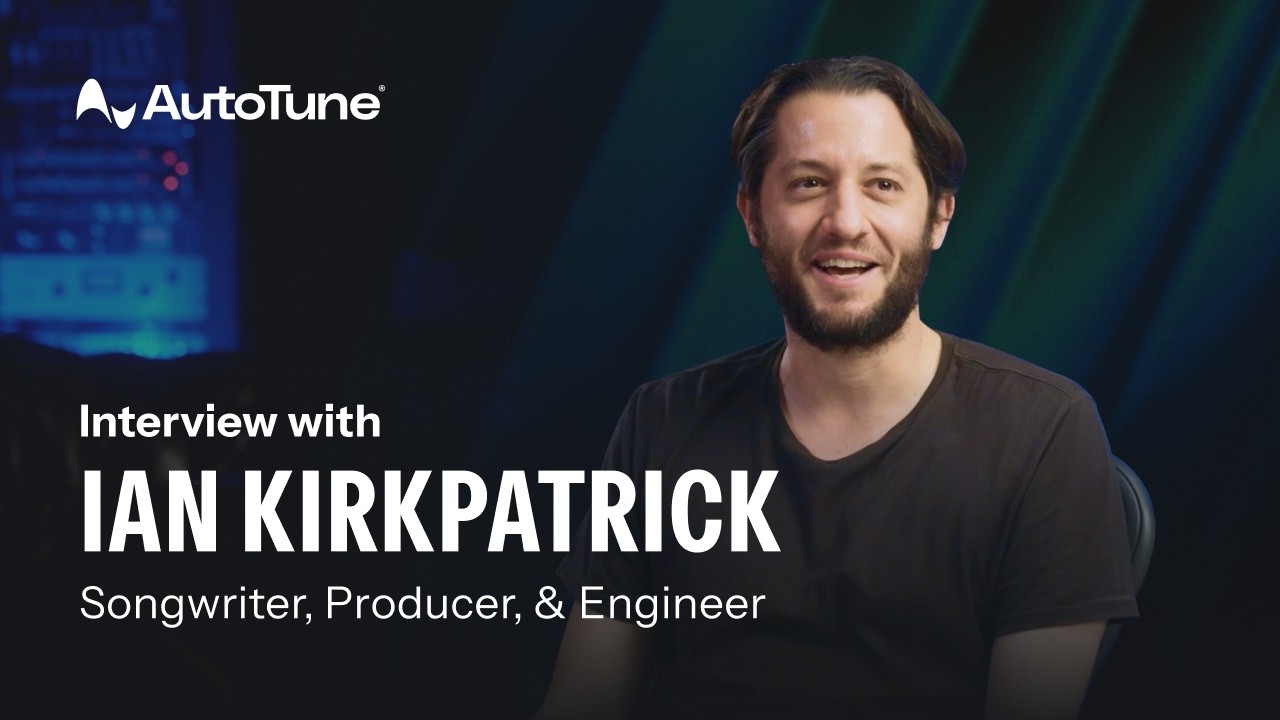
As a songwriter, producer and musician, Ian Kirkpatrick has worked with some of the biggest names in pop – Dua Lipa, Sabrina Carpenter and Selena Gomez, for example – and, in a new interview with Antares, creator of AutoTune, he’s been offering us some insight into how important the famous pitch-correcting software is to his process.
In fact, says Kirkpatrick, “If I didn’t have AutoTune, I probably wouldn’t have a career to be honest, because I'm very impatient. I certainly would have less hits.”
Quite an admission to make, but he says that the software’s biggest benefit for him is that it enables him to work at speed and use vocal takes that would otherwise need to be re-recorded.
“The reason I use AutoTune is for efficiency – for help in sessions when I'm writing songs, to make things go quicker, and to take some of the pressure off of the vocalist,” says Kirkpatrick. He adds that this is particularly important when he’s working with a major-league pop star such as Dua Lipa, whose time with him can be limited.
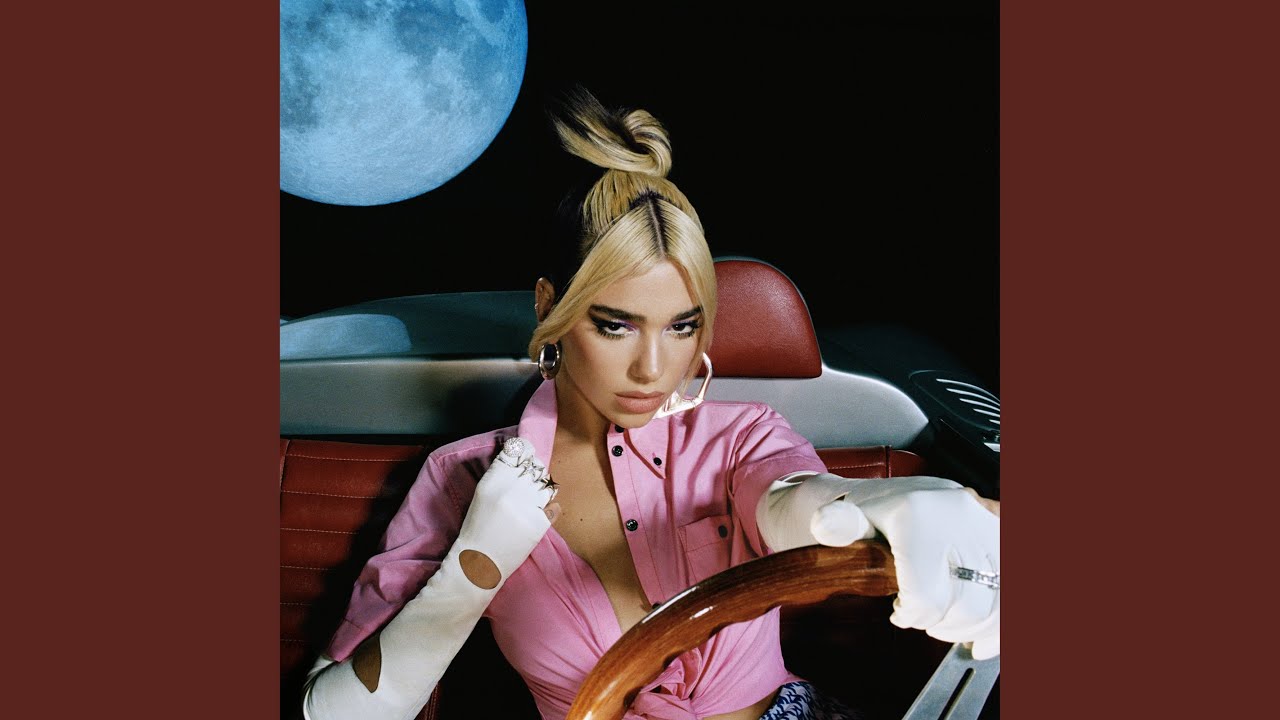
“Sometimes the artist might not have all day and we need to get takes,” says Kirkpatrick. “You know, even at the level of Dua Lipa, she's only available the day we write the song. There's a song called Pretty Please [from Lipa’s 2020 album, Future Nostalgia] where the vocal on it is the vocal we recorded on the day of [writing the song] on an SM7 [Shure microphone], realtime AutoTune, on the couch, and it just ended up – literally, I didn't take it past [AutoTune] EFX. I just left it on the track and that was it.”
Of course, purists might argue that re-recording would be the preferable option, but Kirkpatrick suggests that, in doing that, you might lose something else. AutoTune, he says, “lets me use takes that might sound a little more honest in delivery even though the pitch wasn't a priority. The pitch might be a few cents off, but like, enough to distract a listener from the message and a waste of a take if I couldn't fix that, you know, and AutoTune just helps me do that.”