Few new artists have made as big an impact on 2026 as British singer-songwriter Sienna Spiro. After making her breakthrough with 2025 single Die On This Hill, she’s since had more success with further singles The Visitor and Material Lover, from The Devil Wears Prada 2 soundtrack, and the release of her debut album, Visitor, on 3 July, is now eagerly awaited.
What sets Spiro apart from many of her peers is the unusually raspy tone of her compelling voice. She’s certainly used this to her advantage but, speaking to 15 Questions earlier this year, she revealed that it’s the result of a medical condition that can also make things difficult for her.
“I have vocal nodes, which are small bumps on the vocal cords that make your voice sound really breathy – or in my case, raspy,” she explained. “I never knew I had them, but I believe I've had them for most of my life.
I actually love the texture it gives my voice, but it makes it incredibly hard to sing sometimes – and before I was diagnosed, I used to lose my voice all the time. I never really had any proper singing lessons growing up… so technically, I'm actually a terrible singer.”
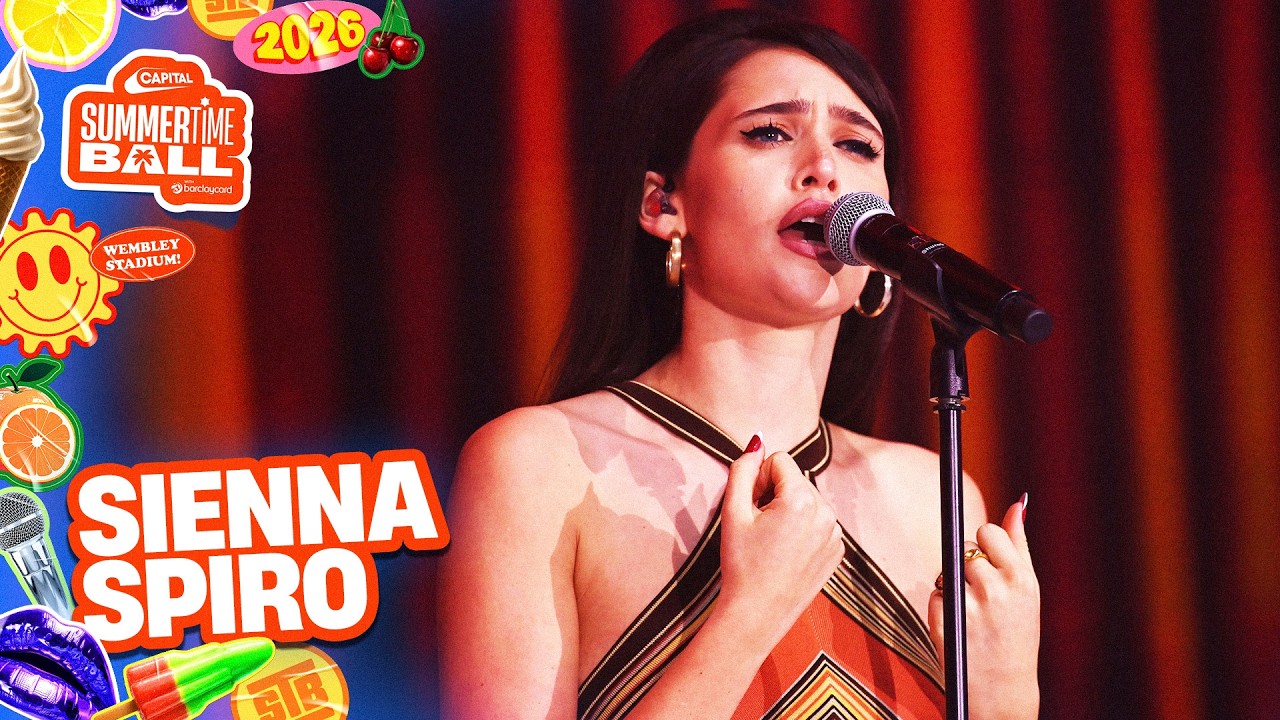
Spiro added that, after she found out about the nodes, she tried to rest her voice as much as possible: “Before and after each show, I'd do about two to three days of no talking at all, which was really hard and miserable, but it made such a huge difference,” she confirmed.
Spiro’s experience tallies with that of Miley Cyrus, who revealed last year that she has a similar condition.
“I have this very large polyp on my vocal cord, which has given me a lot of the tone and the texture that has made me who I am, but it's extremely difficult to perform with because it's like running a marathon with ankle weights on,” she told Apple Music’s Zane Lowe.
Speaking in that same 15 Questions interview, Spiro also said that she likes her music to sound as “as organic possible,” adding that “I only record in full takes now and try to avoid Auto-Tune.” As such, her thoughts on AI in music, which she recently expressed in an interview with Music Week, don’t come as a great surprise.
“I love real instruments, real music, doing things that feel human,” she says. “In the music things that feel human,” she says. “In the music that I love, you can hear the mistakes, the human fuck-ups that AI would never be able to replicate, and that is what real music and musicianship is.”
Warming to her theme, she adds: “I think AI music is shit. Like, it’s just never going to be good. I’m not really sure why someone would use it, rather than just using their brain. Why would anyone want to listen to an AI song?”