


RECORDING WEEK 2026: If there's one thing that we can say about recording - and the technology that we use to do it - it's that everyone will have an opinion on how good something is, particularly when it comes to sound quality and colouration.
These debates can go nuclear once you enter the domain of microphones. A bewildering array of modern microphones now make relatively high-quality recording more affordable - see here for our comprehensive buying guide to these - however some might say these cheaper offerings pale when placed alongside the actual vintage models they’re based on - the ones that helped to shape the recording industry.
But is it really worth spending thousands on a vintage model? Nothing is more likely to sharpen the focus on this point than the associated price tags, and what happens if you want to record in stereo, or record multiple instruments simultaneously? That could really ramp up the price.
So, assuming money is in limitless supply, we've drawn up a list of some of the most expensive and coveted microphones currently available, in both the new and secondhand markets that you should definitely grab for your studio.
1. Neumann U47 (vintage Tube version)
Price: From £/$15000+

Without doubt, the brand which is most heavily associated with quality microphones is Neumann. It has quite the historical catalogue as well as many fine, modern examples which are based upon vintage designs.
The one microphone in their catalogue that sits head and shoulders above the others is the highly prized U47. Specifically, the original tube model, which was produced between 1947 and 1963. It's the benchmark for all large diaphragm condensers that followed.
It should not be confused with the current U47, which is a solid state FET design. It’s still good (very good in fact) but it's not the original vintage model.
The U47 quickly became the industry standard for ever-present detailing on vocals, coupled with a thick and creamy texture which benefited from harmonic saturation. Many recording artists regarded the U47 as the go-to, with a star-studded roster of aficionados which included Frank Sinatra, The Beatles and David Bowie.
A number of companies offer cheaper cloned imitations, but in reality, nothing will ever compare to a good condition vintage model, if you can find one! They are rare beasts, with a price tag that reflects the demand.
2. Telefunken ELA M 251 (vintage)
Price: From £/$15000+

This much coveted Telefunken legend was introduced in the 1950s, and the scarcity of the ELA M 251 is heightened further by the fact that only 3.000 microphones were made.
Known for their lush tone, making them ideal for detailed vocals, they were particularly popular during many Motown recordings, as well as when harnessed by amazing vocalists such as Ella Fitzgerald.
Their dual-diaphragm capsule design still makes them incredibly popular, even in cloned versions from companies such as Warm Audio (the WA-251) and Flea Microphones (the ELA M 251) .
3. Neumann U67 condenser microphone (vintage & reissued)
Price: from £8000+

The U67 was a follow-up to the legendary U47, first appearing in 1960. Considered particularly good for vocal recording, it was one of the first mics that could convincingly act as a general purpose all round microphone, thanks to its exceptionally balanced tone.
It has remained consistently popular over the years with the likes of Bob Dylan being a known user, all the way through to Jack White and The Weeknd.
Production of the original vintage models ceased in 1971, but Neumann currently offers a re-issued model, which it reports is sonically identical to the original. Cheaper clones are also available from companies such as Warm Audio (the WA-67).
4. AKG C12 condenser microphone (vintage & reissued)
Price: from £12000+

This tube-based microphone from AKG was first produced in Austria in 1953 with production terminating in 1963.
Approximately 2,500 microphones were produced, making the vintage models highly collectible. Sporting a beautifully crafted brass capsule, with gold coating, the original was another classy all-rounder, and was used at Abbey Road Studios to record Paul McCartney's bass, among many other recordings.
AKG currently produces its own reissue, branded the C12 VR. Even in this newer format, it still costs several thousand pounds to purchase. The saving grace is that it's less than half the price of a vintage model, even if you can find one!
5. Neumann U87 condenser microphone (vintage & reissued)
Price: £8000+

Arguably, the most ubiquitous microphone of them all, and the third entry in our list from the Neumann stable. The U87 is another example of a classic vintage microphone, which falls into the category of large diaphragm model.
It is particularly clear and crisp, making it an ideal all-rounder for general purpose recording. It has always been popular for vocal work however.
The current model, the Neumann U87 Ai, is a useful performer, but many engineers report that it's a little bit lacklustre when compared to the revered original or even other microphones at a similar price bracket or less. A number of clones are available, at a fraction of the price of a new model.
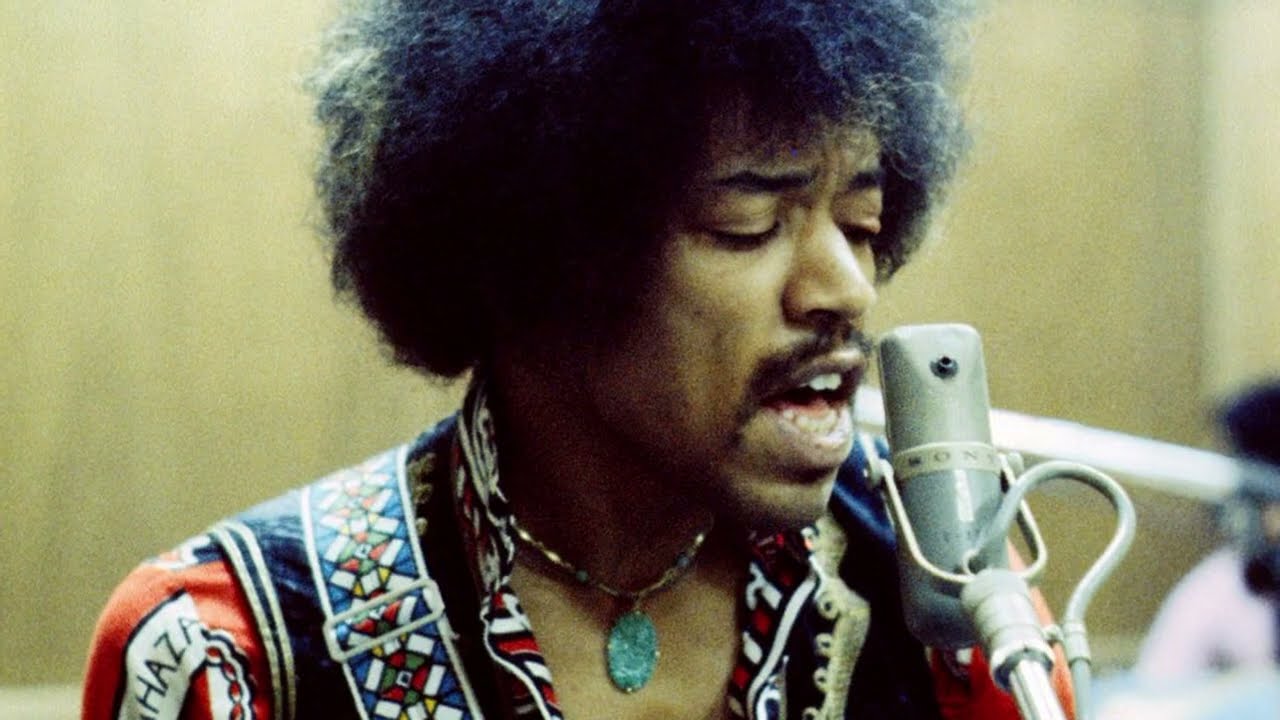
6. Sony C-37A tube condenser (vintage)
Price: from £3000+
One of the rarer microphones in our list, the Sony C-37A is an exceptional performer for recording acoustic instrumentation, as well as vocals.
Produced in the early 1950s, you can hear its performance alongside jazz artists, such as Miles Davis. Part of the reason for its popularity in the jazz setting, was its particularly warm low end, thanks to a slightly different design to its U47 and C12 peers.
Employing a cathode-follower configuration, powered by a 6AU6 vacuum tube. Vintage models are like hen’s teeth, but clones are available from companies such as Mojave (the MA-37) and Tonelux (the JC37), albeit with healthy price tags.
7. Schoeps CMC 6/MK4
Price: £1200+ per mic (New)

Schoeps is one of those companies that once you know, you know! It is held in particularly high regard within the classical and broadcast communities, where the company’s microphones perform particularly well in a number of settings, which include close and distant miking.
Their modular design invites flexibility in use, with the ability to swap capsules meaning that you can choose different capsules to suit your purpose.
One of its most popular configurations is the CMC 6 amplifier body, coupled with the MK4 cardioid capsule. The products invite experimentation, with ultimate flexibility.
8. AKG C414 XLS (New)
Price: £800+

This highly identifiable perennial classic has undergone many revisions over the years, but still remains a popular choice for many recording settings, ranging from acoustic guitar and upright piano through to vocals.
Their inbuilt versatility makes the 414 a perfect studio microphone, offering polar patterns from cardioid, through to figure-of-eight and omni.
Vintage models maintain high price tags, and often supply a little more colour, but the newer models are very effective. AKG also offers a matched pair in a stylish case, albeit at a premium price point.
9. Reslo RB Ribbon microphone (vintage)
Price: £200+

The first Ribbon microphone in our list comes from ribbon specialists Reslo. The RB has become known as the 'Beatles Mic as it was famously used by the band in early live performances at Liverpool’s iconic Cavern Club.
Their identifiable rectangular design was a common sight in broadcasting too, where they were even used on television panel and game shows. They can be picked up from all the usual auction sites, at relatively modest prices.
Bear in mind that the affordable price is a reflection on their performance. They sound okay, but it's likely to be more of a talking point than an actual useful modern microphone, although it definitely has its sound and place, depending on your production style and instrumentation.
10. STC/Coles 4038 - ‘Waffle Iron’ Ribbon microphone (vintage and new)
Price: £800+

The STC 4038 is another ribbon microphone, often known as the Waffle Iron, thanks to its perforated brass design. STC (Standard Telephone & Cables) initially produced the microphone, but later licensed production to Coles Electroacoustics, a company which was founded by former STC engineers.
The 4038 offers a distinctive and unique British sound, which is exceptionally smooth in high-end frequencies, with an uncanny ability to roll-off harsh transients. It has a reduced frequency response, when compared to large diaphragm condensers, operational between 30Hz and 15kHz.
We can't lie, it's a particular favourite here at MR. Brilliant for upper strings, brass and horns, and superb in a stereo configuration on pianos, or even as overheads on a drum kit. You will need a hefty mic stand though, because they are very heavy!
Still very much in production today, the design has not really changed, hence vintage models sit side-by-side with modern versions.
Honorary mentions
It seems strange when discussing the ultimate microphones that you might consider for your dream studio, not to mention a company that is entirely synonymous with microphone technology. Shure has provided some of the best microphones - particularly for the stage - over the last 50 years.
The ubiquitous SM57 and SM58 are comparatively cheap when compared to our dream list, but that doesn't make them any less desirable, and that's why we must give them a shout out!

The 57, is a brilliant microphone for rock recording; guitar cabinets, snare drums, even horns, all sound stylish thanks to the 57, and the 58 offers very similar performance. Its robust build lends itself to live vocal performance. Just ask Annie Lennox; she held a 58 in order to record the Eurythmics classic Sweet Dreams.
But it's not all about the 57 and 58! The SM7(B) has become known as more of a broadcast or podcasting microphone, but in a previous life, it proved to be exceptionally popular with certain performers.
Michael Jackson was known for his love of the microphone, and many of his vocal performances were captured using the SM7.
The Neumann KM84 (vintage and new) is another legendary microphone from Neumann, in a small diaphragm cardioid condenser design. Particularly popular as drum kit overhead microphones, they are just as at home on acoustic instrumentation, particularly acoustic guitars and classical piano.
Finally, Royer has secured a fantastic reputation since its initial appearance on the recording scene back in 1997. The company’s first microphone, the R-121, immediately became a classic in the eyes of many recording engineers, being a beautiful ribbon design, but with modern attributes that made it ideal for commercial recording.

Final Selection
Ultimately, there is something for all budgets in the recording world, and how a microphone may perform is dependent upon the instrumentation you intend to record - and the environment you are recording in.
Whether you are using a humble SM57 or a vintage U47, always be sure to listen - and put the microphone in the right place - before you do any tinkering at the mixing desk or computer.
Although having unlimited funds for recording gear is not something we think we’ll ever be really able to procure, it’s still always possible to get a great sound, with a little bit of perseverance and musical intent!
