
D’Addario has admitted that its controversial demo video for its NYXL HD extended-range electric guitar strings did contain music created by generative AI.
In a statement on Instagram, the NY-based strings and accessories brand confirmed what many internet sleuths had alleged all along – that the hidden hand of AI was at play, and Suno’s fingerprints were all over it.
“We got this wrong. We’ve completed a full review and confirmed that Suno Studio was used to regenerate the original track,” writes D’Addario. “We shared inaccurate information, and we’re truly sorry.”
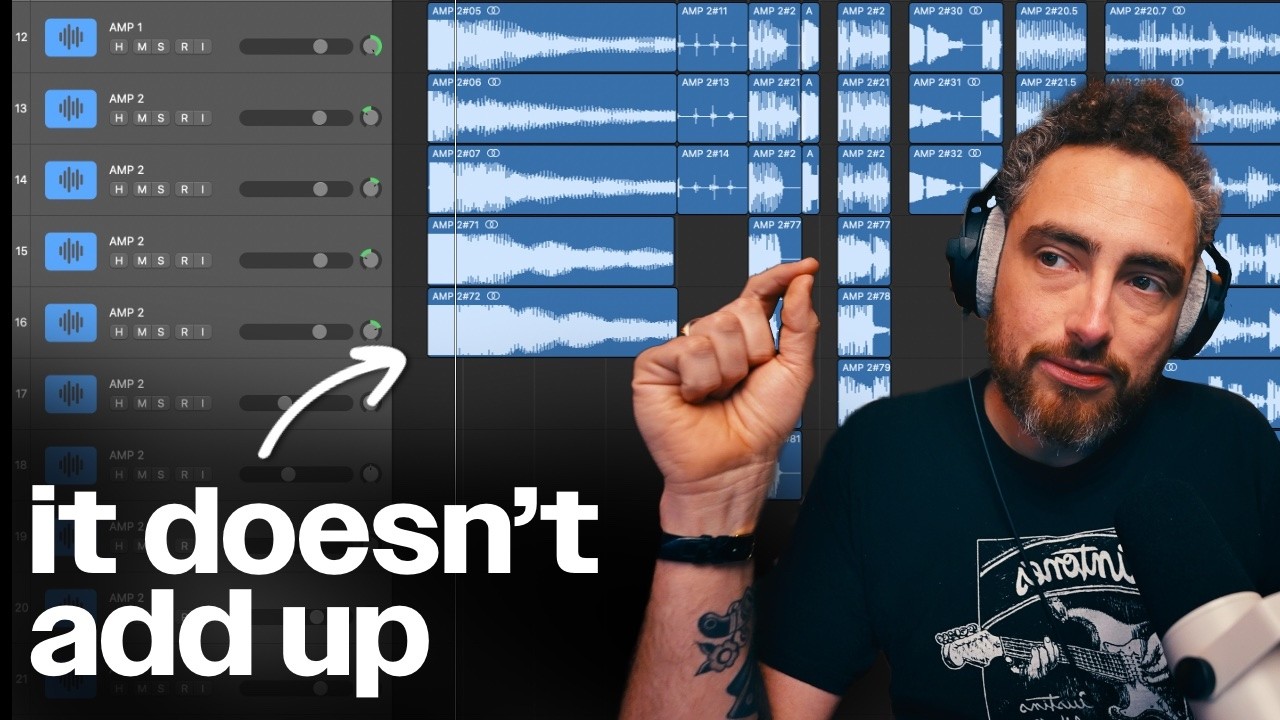
D’Addario had previously issued strong statements denying there was any AI used – even going so far as to release a video on Instagram showing the DAW with the stem files. But this only added more fuel to the fire.
YouTubers picked it apart. The controversy gathered steam when D’Addario were accused of deleting comments under the demo that alleged the use of AI. Danny Sapko was the first prominent YouTuber to pick up on it.
That this demo video, which featured instrumental prog metal guitar, was processed to within an inch of its life did not help. That only blurred the water. YouTuber Rhett Shull even got hold of the stem files and produced a video on the subject.
And still the controversy raged. D’Addario artists such as Yvette Young and Mike Dawes defended the brand. The internet piled on. D’Addario started deleting comments before alleging that one of its staff members had been doxxed.
In its statement, D’Addario acknowledges that it “got comment moderation wrong”. “Honest criticism should not be erased,” it says. “We’re changing how we moderate our channels so feedback can be heard while people are protected from threats, harassment, and exposure of their private information.”
This is a story in which no one comes out looking good – least of all Suno Studios. That this is a controversy exists at all speaks to deleterious effect generative AI has in music, eroding trust in artists, in the brands who make the instruments, in everything.
What was once generic – or “stock,” in Lars Ulrich’s parlance – is now the subject of suspicion. Is that AI or is this band just really bad/bland/like everyone else?
The subject has become radioactive. In recent days, Fender CEO Edward “Bud” Cole had to row back his comments that compared cover music to a form of “analogue AI”.
Musicians are rightly concerned about the various issues surrounding AI, but companies such as D’Addario have skin in the game, too. You won’t see Suno Studio queuing at Guitar Center to buy a fresh set of 9s.
“We do not support AI-generated music, and our process will reflect that going forward,” says D’Addario, adding that employees and “creative partners” will have to disclose if any generative AI has been used in their content, which it has promised to closely review in future.
“We know we can’t fix this with another statement,” it continues. “D’Addario exists because musicians trust our products with their sound, and we’re committed to earning that same trust in how we show up for this community.”
There is some good news in all of this. At least we will never have to hear that demo track again. Thoughts and prayers for all those who had to spend time poring over its every bar and beat.
