TikTok might have changed the way that new pop music is written - short, snappy, hook-laden songs are very much the norm these days - but it’s also been responsible for giving older songs a new lease of life.
The latest artist to benefit is Swedish star Zara Larsson. Late last year, during a gig in Amsterdam, she invited a fan to join her on stage to dance to Lush Life, her decade-old hit, and footage of the impressive performance went viral. As is the way of these things, this spawned-countless follow-up videos, and the end result is that Lush Life is riding high in the charts once again.
This isn’t a case of a song rising from obscurity, though. First released in 2015, Lush Life was originally a hit in Sweden, then went global the following year. It ended up being one of the biggest songs of the 2010s.
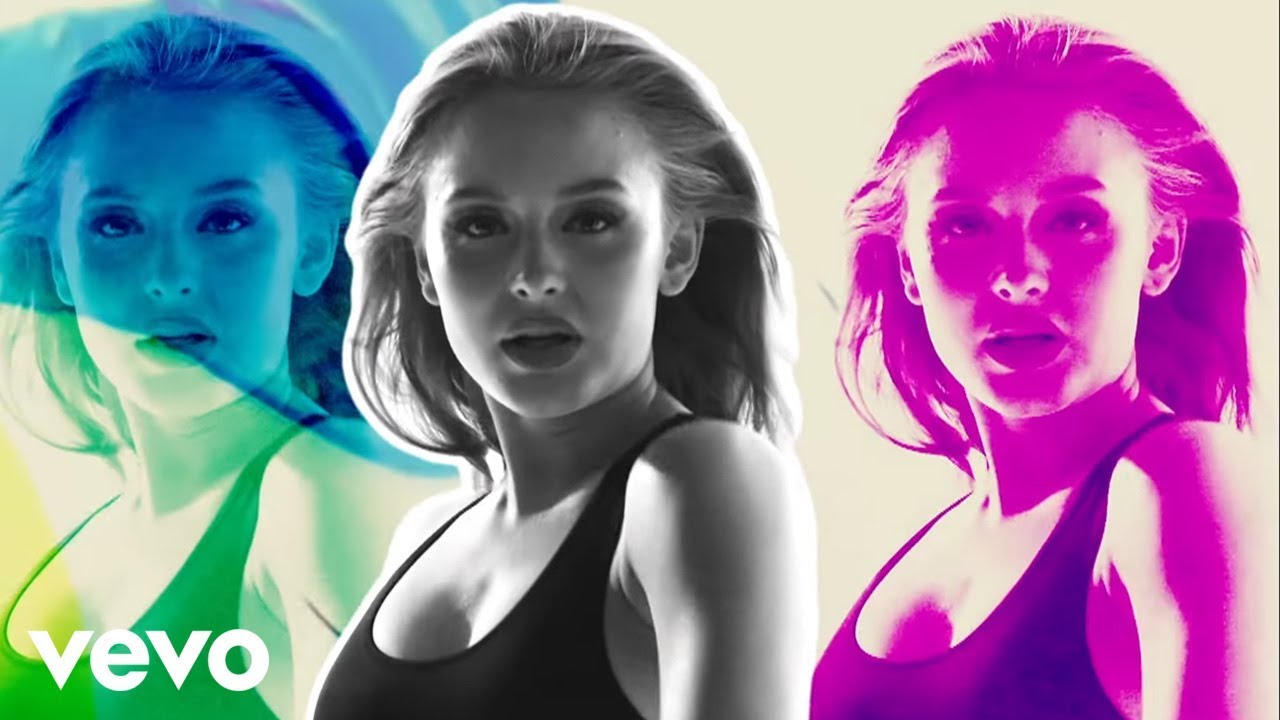
The version you’re probably familiar with, though, is actually a remix, replacing the more stripped-down original as the official release. The original arrangement eventually saw the light of day as Lush Life (Retro Version) in 2021 and, speaking to Music Week in 2018, songwriter Linnea Södahl explained its beginnings.
“It was a [songwriters’] camp for Zara Larsson,” she recalls. “There were five studios writing for her at the same time and she was popping in and out of the rooms though not ours, for some reason. There was me, Iman [Conta Hultén] and Emmanuel [Abrahamsson].”
Södahl goes on to say that it was one of these co-writers who helped to get things started.
“Iman started to play and the first line from the chorus just came to me, with lyrics and melodies. They were like, ‘Awesome, that’s a great verse,’ but I was like, ‘No, trust me, this could be a chorus. Let’s think in a different way – we don’t need a big chorus with long melodies and high notes, we could try and do something cooler and more chilled than that.’”
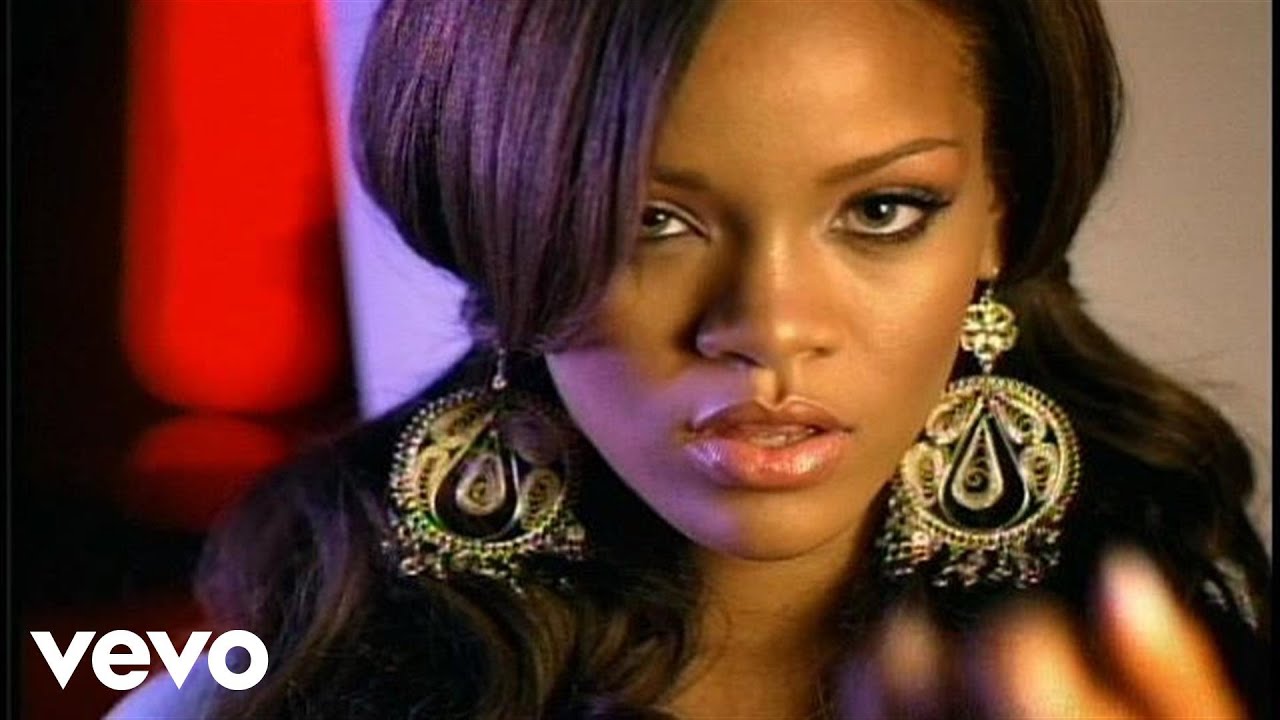
After Lush Life was released, critics noted that it had the air of something that might have been released by Rihanna at the time, and Södahl is happy to admit that the Barbadian star was an influence.
“We were listening to songs like Pon De Replay by Rihanna and Trick Me by Kelis,” she says. “Nothing is big in those songs, it’s just a constant groovy flow that you love being in, and we decided we wanted to try to make a song like that.”
As is so often the case, there was also a happy accident involved in the writing process. “When Iman was going to record a rough take of the chorus I guess that, when she was in front of the mic, she forgot how the end bit went,” remembers Södahl. “So she sang something else, which we kept in. Then Emmanuel came up with the verses, so the three of us contributed very equally.”
In another counter-intuitive piece of good fortune, Södahl says that the fact that Larsson wasn’t feeling at her best when she recorded her vocal might actually have been a benefit.
“She was actually a bit ill when she recorded it and you can kind of hear that on the record,” she argues. “The ‘laziness’ in the song is very authentic because she was lying on the sofa napping in between the takes because she didn’t feel well. I think that adds a lot of character to it too. Zara has this way of making songs her own and she was just the perfect artist for this song.”
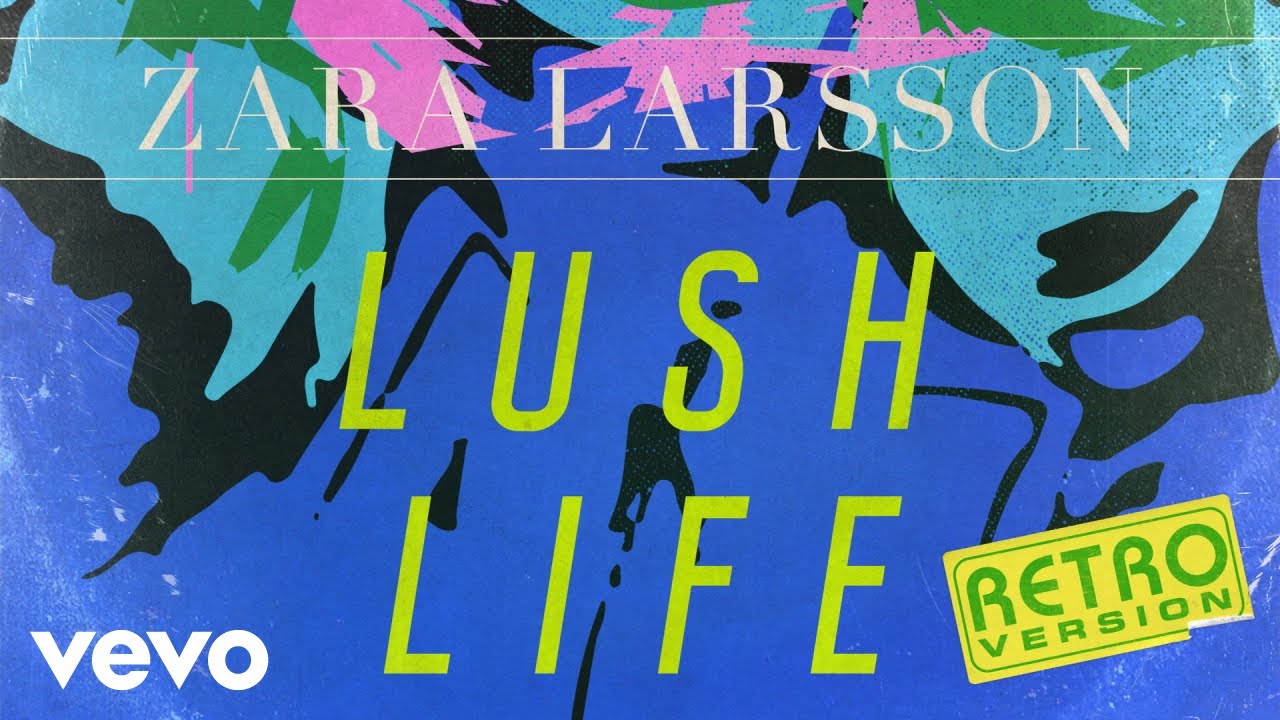
Which brings us to the potentially awkward question of why that original version of Lush Life wasn’t released.
“For a long time we had a different production for the song that was basically just bass, drums and vocals,” Södahl confirms. “It was going to be released that way but then they sent the song out for remixes and one of the remixes that came back was the version that Freedo [Fridolin Walcher, producer] did and that changed people’s minds.”
As you might expect, Södahl and her collaborators couldn’t help but feel slightly peeved at this, but later on, she accepted that this was the right decision.
“Those of us in the studio were like, ‘No, that is not as cool.’ We found the idea of releasing that stripped-down, really raw version even braver, but looking back now I’m very happy that the change happened. Freedo made it into the pop hit that it turned out to be. It probably would have done well the way it was, but it wouldn’t have been as big because the other production wasn’t as commercial.”