
One of the main things that Radiohead’s recent in-the-round live return has absolutely demonstrated is the vital importance of each and every member to the band’s aural universe. Although the central vocal powerhouse, Thom Yorke, gets most of the limelight - and the flailing ferocity of perennially young-looking lead guitarist Jonny Greenwood pulls an equal amount of focus - Philip Selway, Colin Greenwood and, of course, Ed O’Brien’s contributions are every bit as vital in making Radiohead what it is.
MusicRadar has spoken to Ed a few times over the years, but perhaps one of the most revealing interactions we had with him was back in 2017, when he was explaining to us how he co-designed Fender’s EOB Stratocaster. However, during that conversation, O’Brien also shared with us how his role in the revered band had developed over the decades, and how they had navigated the rougher periods together.
“Thom also plays great guitar as well,” Ed told us. “On the first album [Pablo Honey], particularly, he’s driving it with his rhythm playing, so my role was never to drive it rhythmically. I might arpeggiate and fingerpick stuff, but he would drive it as he sings it. So it was never difficult for me in that sense.
“What’s always been the hardest thing and used to be the most daunting was that Thom and Jonny used to write together a lot. So when we got to rehearsals, they had their parts worked out and I used to be like, ‘Where do I fit into this? Where do I find my space? You have that initial thought and then you think, ‘The song is great, okay, how do I work my way into this?’ And it was challenging. But that challenge is good because it forced me to think in a different way.”

O’Brien told us that Jonny and himself would often joke that there were very few songs where the three guitarists actually all play through to the end without stopping.
“I totally understand about accompaniment, I understand about layering stuff, and I also like light and shade in a song - Jimmy Page always talks about this. I like quiet and loud. Jonny and I used to joke that there are very few songs where we play all the way through. Whereas most guitarists in a band, that’s their modus operandi. I guess there’s an orchestral sentiment to what we do that’s all about the songs.
“So I might change sounds three times in a song. And at the start of a tour it’s like tap dancing and it’s not really like playing.”
Beyond talking us through his then-new EOB Strat, and some of his favoured pedal choices, Ed explained how Radiohead’s darker moments were worked through to produce some of the greatest records of the last three decades.
“The worst thing that happens as a band, and we always do this is, we get into a rehearsal room to start a new record and everybody plays through everything. It’s f**king rubbish!” Ed told us.

“Again, it’s about the light and shade in music. Let the drummer and bass player do the work, let the singer. Andy Summers was a master of where and when not to play. Space. My favourite guitarists know when not to play. Then you make more of it when you do play. Make it count.”
O’Brien also remembered recording some of OK Computer’s most compelling cuts completely live.
“[Climbing Up The Walls and Let Down] were [whole] songs and because of our, shall we say, somewhat limited palette at that stage, we played them live. But it was enough; our palette was sated.
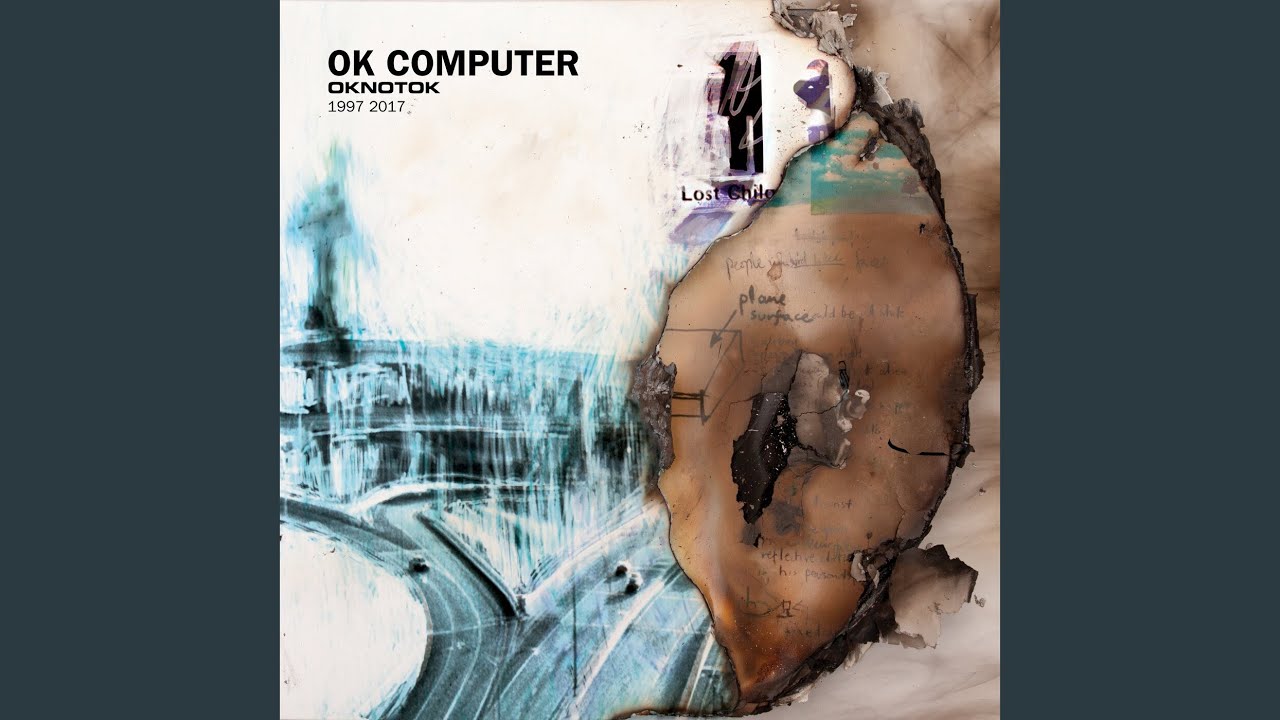
“I remember when we did Climbing Up The Walls it was just like, ‘F**k! We made that sound just playing in that room all together.’ It was the same experience with Let Down. It was like they were real moments of magic. And that’s probably the last time we’ve done it like that in the studio, which is kind of a shame, really. But I don’t think you can repeat yourself.”
