


When The Avalanches released the enduringly influential Since I Left You in 2000, its roughly 3,500 vinyl samples raised the bar for the burgeoning Plunderphonics scene.
Twenty-six years on, Robbie Chater, Tony Di Blasi and newcomer Andy Szekeres return with a fourth, similarly sample-packed 31-track album: No Bad Memories.
After years of retrieving samples from vinyl crates in Melbourne's 'op shops', the band turned to a different kind of audio scavenging, scouring the internet’s deepest recesses for sonic ephemera, corporate jingles, start-up chimes and childhood TV ads.
Balancing playful nostalgia with a sharp-eyed critique of consumer capitalism, The Avalanches have invited guests including Jamie xx, Karen O and Yellow Magic Orchestra’s Haruomi Hosono along for the ride.
Making No Bad Memories was no small task, and Robbie Chater is refreshingly candid about how clearing samples in a music business plagued by corporate investors is becoming harder than ever.
We caught up with him to discuss how he coped, the great vinyl cull of 2020, and why learning Ableton Live might be the next step in his production journey.
The Avalanches have been defined as one of those bands from the Plunderphonics scene. Is that a label you identify with?
“I remember the term popping up after we’d made Since I Left You. Was that an American term? I'm not sure where it came from, actually, but I remember people associating us with Plunderphonics after we’d made our first album and thinking, ‘I guess that kind of makes sense’.
“We were just sampling and doing our thing, but we liked early sample collage artists like Steinski, Art of Noise and, strangely enough, Big Audio Dynamite. They had a few big hits on the radio in Australia when I was growing up and I could tell there was something different about that music too, but a big one for us was Basement Jaxx’s Remedy. The cut-up sampling programming on that record was a big influence.”
What did crate-digging in second-hand shops look like in the ’90s compared to now?
“We were in Melbourne then and were broke young musicians looking in dollar bins – we called them ‘op shops’; I think you guys call them thrift stores. We used to have a map of Melbourne's tram and train lines and would go to all the charity shops on each line and mark them as we went.
I had a lifetime collection of around 15,000 records that I’d sampled on all our previous albums, and then I made a big decision to get rid of them all
“There was a unique flavour to the records in the ’50s and ’60s coming across from the States - exotic stuff from Martin Denny and Arthur Lyman. It was a sort of easy listening sound, but it’s not like we were in the States where there was this rich vein of funk and soul music. We just had to make do with what we had and that shaped the floaty, dreamy sound that The Avalanches became known for.”
How is the sampling process different in 2026?
“I'll always be fascinated by the chance to discover what I might find in a record store. Up until 2020, I had a lifetime collection of around 15,000 records that I’d sampled on all our previous albums, and then I made a big decision to get rid of them all, except for maybe 200 that were very dear to me. For example, there’s one that my dad had given to my mum on her birthday before I was born with a written note on the back.
“For the most part, I thought I’d never listen to a lot of those records again and wanted to have a life where I could travel and move around. It was a big decision, but in retrospect it’s also made room for a lot more beautiful music to come into my life, so the collection’s growing again - I can’t help but buy vinyl! We go to Japan a lot to buy stuff, but we’re constantly sampling from YouTube and anywhere, really.”
At one point everybody was sampling everything they could find, and then it virtually disappeared with the lawsuits. How have you adapted considering you’re not just using a handful of samples, but hundreds, if not thousands?
“It just was a case of coming to accept that it’s how we work and what we love doing. It’s our art form, and we’ve accepted that we’re not going to make loads of money from record sales because the royalties are split up a lot of ways.
“No Bad Memories has been particularly difficult to get cleared and we’ve really noticed the difference compared to even five years ago. A lot of old catalogues have been bought up by people who just see them as an investment, so when you go to clear a sample you’re not dealing directly with individuals much anymore. It’s become very expensive and very difficult.”
You started collaborating with artists a lot more from Wildflower onwards. Did you partly do that to circumvent the sampling issue, or is it more because you now have the gravitas to approach who you want to work with?
“It was driven by the fantastic experiences that we had meeting and collaborating with people in the studio, because this sample-based way of working is very time-consuming with a lot of long and lonely hours spent on your own. It was just really nice to change things up and spend studio time with amazing people learning how they work, yet still treat the process like sampling. We’ll often have a demo sitting around for years until we can think of the right vocal sample for it.”
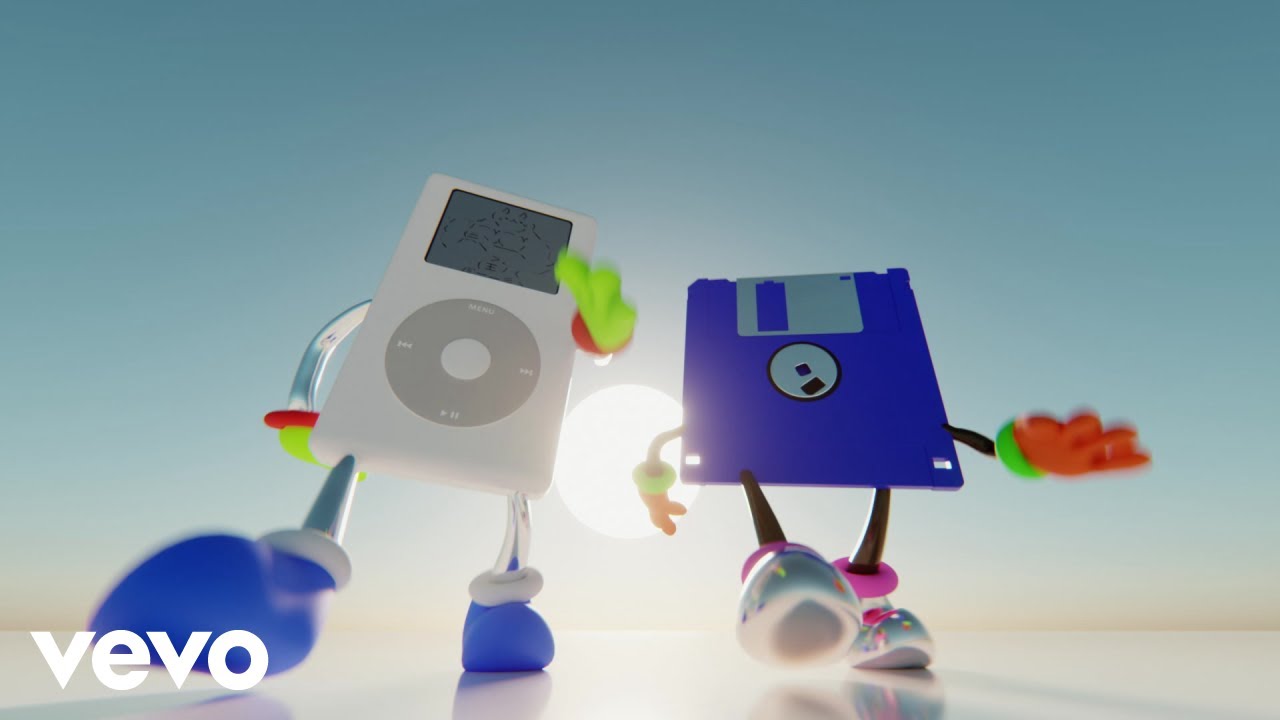
Your latest LP, No Bad Memories, is different because it culls samples from corporate jingles and advertising. Conceptually, is this an ironic critique of corporate capitalism or more of a nostalgic celebration?
“It’s a combination, but I like that it’s open to interpretation. As I get older, I definitely reflect a lot on how I participate in this crazy capitalist world, which forms a big part of who we are from a young age. We were bombarded with all this stuff, but some of those sounds were undeniably fun and infectious to use, so it was quite a joyous process too.
“The idea was born out of long conversations between me, Tony and artist collaborator Jonathan Zawada about the devices that we used to store our memories on. Because we’re sample-based artists, we’re always thinking about memory in terms of the life that a recording had before it came to us - sometimes a very long life!
“We love old recordings that were made during a certain moment, and then maybe someone else owned it for years and added all those crackles when they listened. After we find it, we sample it and it comes back out into the world again, so it’s just a beautiful ongoing flow of music and memory.”
In terms of using specific jingles, did a lot of them come from memory, and how did you go about sourcing the ones that didn’t?
“We had so much fun discussing jingles for months on end. Someone would mention one that we’d forgotten about and the sound would come back just like that. They’re so sticky, especially start-up sounds, audio logos and stuff like Nokia phone ringtones - they were very handy to cut up, program and begin making our own melodies out of.”

Would it be correct to say those samples don’t require the same clearance process as a vinyl sample?
“It’s a grey area. If you’re talking about a fuzzy old sample from the early ’80s that has ended up on YouTube, I don’t know how you would track down who owns it as the company that made it is probably defunct now. But, technically, I’m probably supposed to clear them in the same way.”
Did the samples themselves act as an impetus for songs, or are they mainly used as interludes or injected into the production on tracks that were fully formed?
“There were definitely a few songs that were fully formed and then I was going back, reworking the rhythm sections and making drums out of sounds that fitted the theme, but a whole bunch of new writing happened once we’d built some momentum where the samples were coming first, and that was the most exciting part.

“The track Together was a good example - it reminded me of an early morning breakfast cereal ad and that theme of technology bringing people together. As soon as we had that, we knew it was something we wanted to work with and Nikki Nair happened to be in town, so we all jumped straight into working on that.
“A lot of spontaneous things happened like that and they were my favourite moments because they balanced out the gruelling collage nature of the project.”
There are a couple of standout artists that you’ve collaborated with, like Carly Simon and Jamie xx. How did those conversations begin, and could you give some insight into the workflow?
“Well, the Carly Simon one is a sample, but for legal reasons it ended up being credited as a feature and we’re very happy that we got that cleared. The Jamie one is a long-standing relationship. We collaborated on an album of ours in 2020 and were working on All You Children for his most recent album, In Waves, and another song during the same period called Every Single Weekend. We really liked it, so we kept working on it and really love the way Jamie uses samples in a modern club context. His work’s been inspiring.”
You’re very complimentary about Portraits of Tracy’s contribution to Can’t Get Over Losing You, which we understand went beyond vocals and into mixing and production?
“We were still getting to know Tracy and how she worked, but she just dove right in and started adding drums and guitars, which changed the tempo and maybe even the pitch of the demo. It was more of a dreamy, melancholy piece before Tracy got her hands on it, so it was such a thrill to hear where she took the track. We didn’t really have any guidelines; we just sent it to her and were probably just expecting a vocal back, but it transformed into this whole new production.”
Going back to what you said earlier about Basement Jaxx, the production on Can’t Get Over Losing You seems quite influenced by them. Is that something you were consciously aware of when making the track?
“Not so much with that track, but I know what you mean about its punky energy. We were listening to Remedy a lot when we made Since I Left You in 2000, which also has a lot of cut-up little vocals that rhythmically repeat really fast and give the songs an amazing energy and atmosphere.
“I think we were almost emulating that, but on really shit equipment and it ended up coming out in our own unique way. I wouldn’t say that Basement Jaxx are underrated; people really love and respect their productions because they’ve stood the test of time.”
The final track, The Pavements Light, features Haruomi Hosono from Yellow Magic Orchestra and sounds very different to everything else. We’re guessing this is another example of someone you admired having a much bigger influence than you’d expected?
“I’d always loved Yellow Magic Orchestra’s music, and Haruomi’s solo music in particular is an incredibly varied catalogue of material. They were a really interesting band because all the members had their own identity and they did a lot of advertising in Japan, which was another thing we kept coming across when we were going back through old TV ads from back in the day.
“We met him a few times through friends, but it was a thrill to work and spend time with such a hero. He lives in a traditional intergenerational home with his extended family with a big, sprawling studio in the basement, but it’s probably neater than mine. He smokes a lot of cigarettes and runs his radio show from there, but it has lots of beautiful old synths, keyboards and tape machines.”

In terms of the tools you use to record and input samples, have you moved from using vintage hardware to software like Ableton Live, which would be quite suitable for that?
“We still have folders full of Akai S2000 and S5000 samples on my Mac, and they have a particular sound, but now I’m using Pro Tools. Andy Szekeres, who recently joined the band, uses Ableton, but I’ll just record from the turntable directly into Pro Tools and chop up stuff that way.
“There are no hardware samplers anymore, but I really want to get mine out of storage and make things again that way. Having said that, so many friends of mine, especially young producers, keep saying I’ve got to use Ableton, so maybe learning that will be the challenge for the next record.”
What is it about the sampling hardware that you find yourself reminiscing on?
“I used to love having a small set of speakers and a sampler in front of me without having to look at a screen. I think that workflow made the arrangements more unique, because you’re not looking at grids or an even number of bars; you’re just listening and manipulating samples in a very intuitive way. Also, the outputs on those Akai samplers had a very distinctive sound – you could push them quite hard and resample. It was just a vibe.”

Were any Pro Tools plugins or processing chains important to how you produced or mixed the LP?
“Vocals are a different conversation, but with the sampling I’ll often use lo-fi plugins or just EQ them. There were filters in the Akai sampler and I use EQ in the same way to try and isolate certain sounds, take the bass out or help blend a vocal sample over the top of another sample.
“We used a lot of bitcrushing to reduce fidelity and get an old, crunchy sound, but sometimes we’ll load a sample from vinyl and because it’s recorded through a nice phono stage in high quality, it can shine with no manipulation at all.
“In terms of plugins, I like using an old one called Frohmage, which is like this cheese-looking distortion pedal thing. It’s really cool, but we just use the standard distortions and EQs to gently overdrive the samples and push them into that sweet spot.”
Mixing a 31-track LP with hundreds of samples sounds like a bit of a nightmare. Do you mix as you go or would it be dangerous to commit to anything at an early stage?
“I do mix as I go, because I’ve been through the process before on previous records where you want to pull everything apart and try to mix it again properly on a desk, but it never sounds the same. Now, I’ll mix as I go, split the tracks out of my Mac to a mixing desk and push them through the mix bus to get some glue. With the samples, you just have to keep your fingers crossed and not commit until the very end so you can take one out if you have to.
“The sequencing of the tracks is almost the art form of what we do, and Tony plays a big role in that. It takes a long time to get right and it’s surprising how a song that you didn’t think would make the album suddenly becomes a perfect piece of the jigsaw. Our studio was just a wall of whiteboards with 60 or 70 songs, interludes and tracks, so we just had to try to remember everything visually, grab the pieces and put it all together.”
The Avalanches’ No Bad Memories is out October 16 on Modular Recordings.