


Stevie Nicks and Lindsey Buckingham were hurtling along a freeway near Washington DC when Nicks glanced up and noticed a sign for Silver Spring, Maryland.
It was 1976 and Nicks’ and Buckingham’s band Fleetwood Mac were on tour to promote their breakthrough self-titled album, which topped the US charts in September that year. The follow-up album Rumours, released in February 1977, would catapult them to global superstardom.
The name Silver Spring struck a chord with Nicks, whose relationship with Buckingham was imploding just as the band were on their mercurial ascent. It inspired her to write a song called Silver Springs, with an additional ‘s’ – a break-up anthem about what might have been.
“I wrote Silver Springs about Lindsey… and I loved the name,” Nicks told MTV in 1997. “Silver Springs sounded like a pretty fabulous place to me. And ‘You could be my silver springs’ – that’s just a whole symbolic thing of what you could have been to me.”
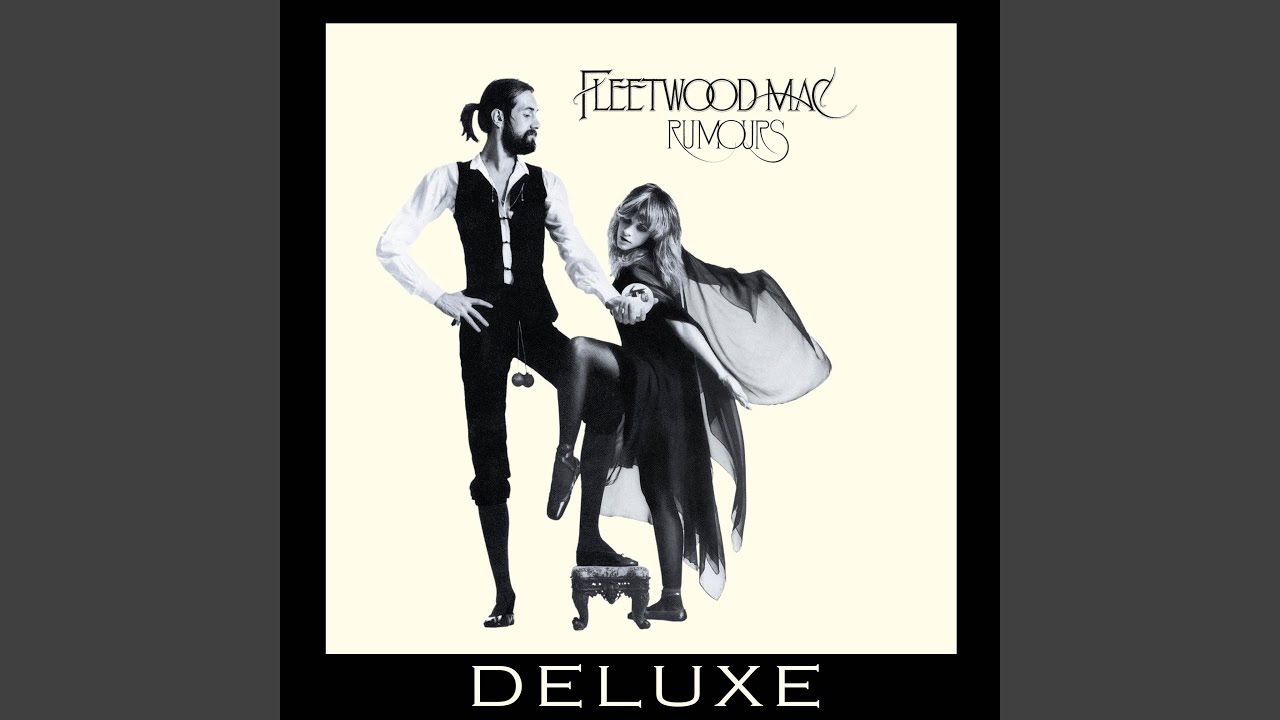
The song was recorded as part of the Rumours sessions but never made it onto the album. It was relegated to the B-side of Go Your Own Way, after which it pretty much disappeared without trace.
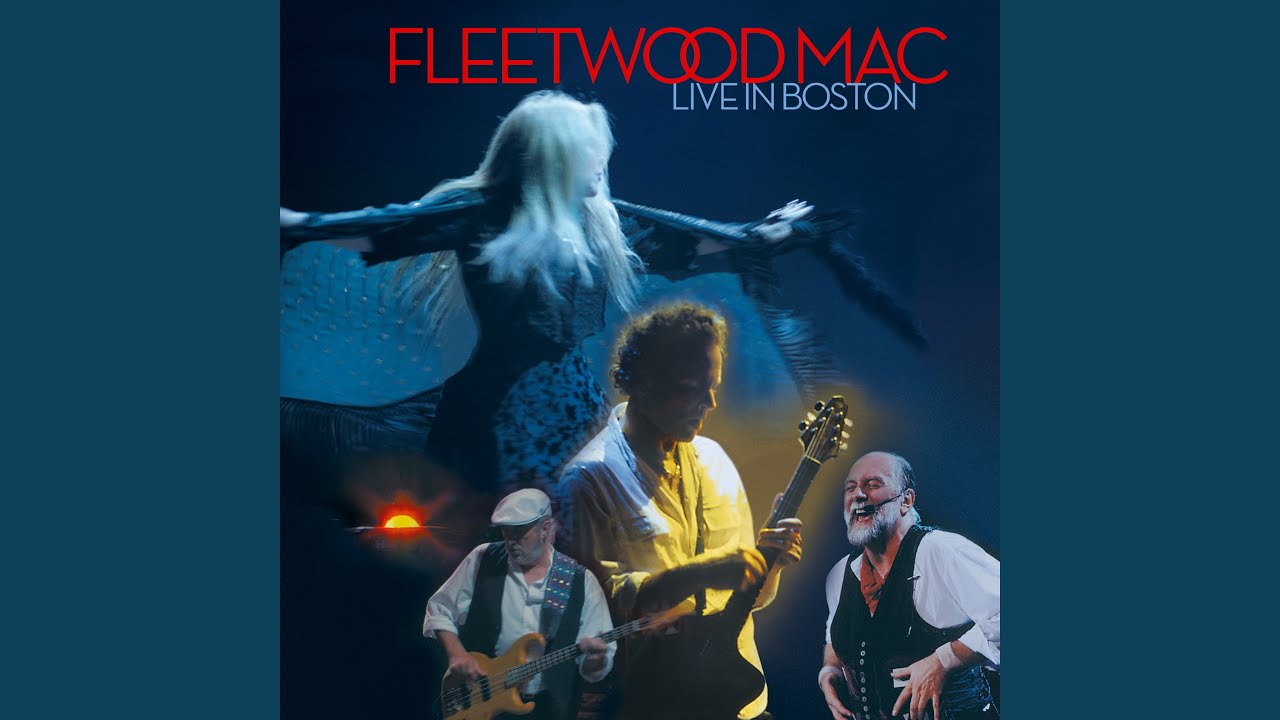
It would take 20 years for the song to be released and take on a whole second life, when it was included in Fleetwood Mac’s live set during The Dance Tour and released as a single from the 1997 live album The Dance. Critics hailed this live version of the song, and for many Fleetwood Mac fans it was the first time they had actually heard it.
“I thought it was an old Buckingham Nicks song,” Courtney Love told Rolling Stone. “It really moved me. I was like ‘What the fuck is this?’”
Lorde, Florence and the Machine, Tori Amos and Lykke Li would all go on to cover the song live – and its themes of hurt, heartbreak, jealousy and emotional revenge would go on to speak to Gen Zers into the 2020s.
But it was the video of Fleetwood Mac’s live 1997 performance at the Warner Bros studio in Burbank, California that really resonated with audiences. At the song’s climactic end, Nicks can be seen turning to face Buckingham, glaring at him with a ferocious intensity as she sings the lines: “I'll follow you down ’til the sound of my voice will haunt you/You’ll never get away from the sound of the woman that loves you.”
It’s a powerful scene, as noted by Rolling Stone: “That image… of Nicks singing the words at Buckingham, her eyes burning into his soul, as if casting a spell, 20 years after writing the lyrics and still meaning them – has become the stuff of legend.”
The video of that performance on YouTube has now racked up 88 million views and the collective obsession with it on TikTok has really gained traction. There is a sense that Nicks’s empowerment in the face of devastating heartache has really resonated among young people. As one TikTok user wrote in a caption over the clip: “Don’t just write a song about your ex, make him play lead guitar and sing it right to his face on stage.”
What is remarkable about Nicks’s performance is that it begins at a point of vulnerability yet builds to one of power. Once Nicks makes direct eye contact with Buckingham she doesn’t let up. There is anger, grief, defiance, and Buckingham is the direct recipient of it all.

“It was me realising that Lindsey was going to haunt me for the rest of my life,” Nicks told Rolling Stone, “and he has.”
But beneath all the drama and pain lies a beautiful and brilliantly crafted song from Nicks. Silver Springs is a graceful, stately affair with a country-tinged sound that set it apart from the soft rock strains of the Rumours-era tracks.
With a running time of 4:48 for the 1976 studio version and 5:33 for the 1997 live version, the song has room to breathe and it builds slowly, with two verses and a pre-chorus before the chorus finally comes in at 2:15.
“Time cast a spell on you, but you won’t forget me/I know I could have loved you/But you would not let me.”
Prominent guitar swells from Buckingham and lush flowing piano from Christine McVie intro the song, before Nicks’s voice enters, a warm plaintive timbre with a real sense of longing.
Nicks’s voice lends itself seamlessly to the lonesome country-tinged cadences in the song. The ascending chorus when it hits is rousing and triumphant, and Buckingham delivers a tasteful and beautifully understated guitar solo.
The backing vocals, sung primarily by Christine McVie and Lindsey Buckingham, add haunting counter melodies and raw emotional tension.
For Stevie Nicks, the release of the live version of the song as a single in 1997 was the culmination of two decades of struggle to have her song heard and recognised.
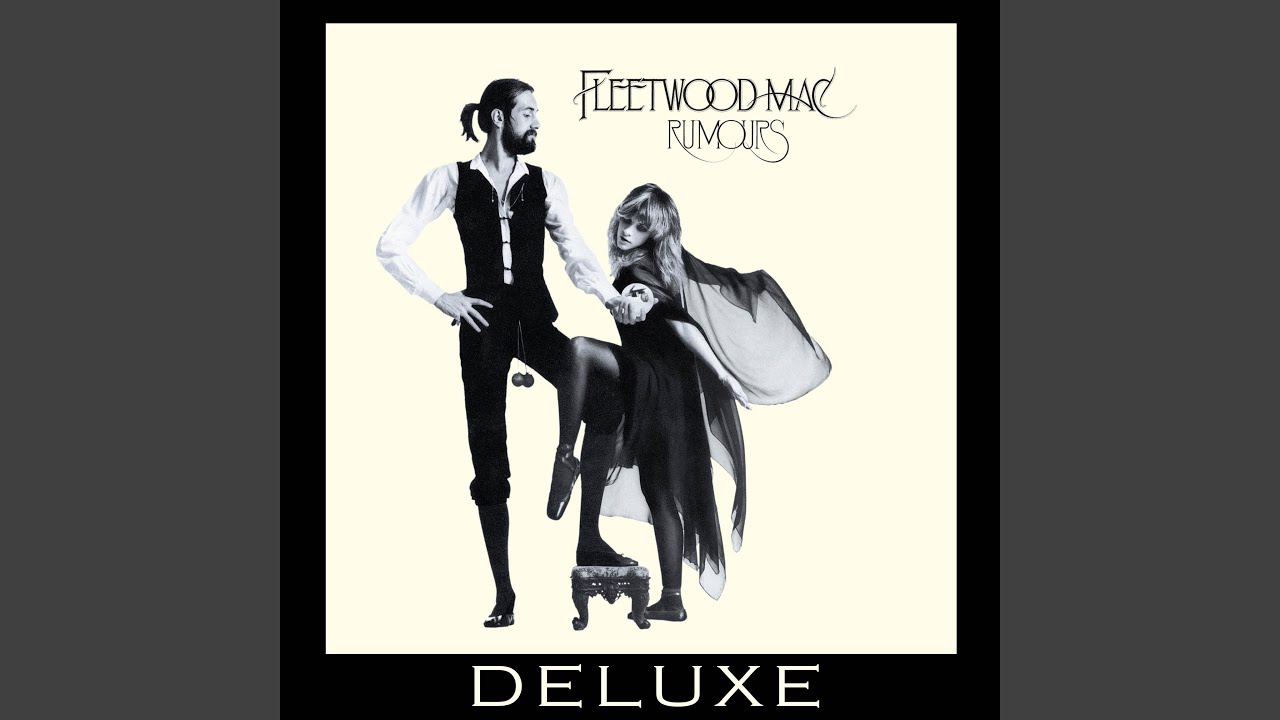
The basic track for Silver Springs was first recorded at the Record Plant studio in Sausalito, California, on 11 February 1976. In the 2012 book Making Rumours, The Inside Story Of The Classic Fleetwood Mac Album, co-written by the album’s co-producer Ken Caillat and author Steve Stiefel, Caillat recalls that the initial takes were laid down with drums, bass, electric guitar, a Fender Rhodes electric piano and a scratch vocal.
Two days later, the band recorded 19 more takes but none were deemed satisfactory. Caillat recalled that on 14 February 1976 the band began using a click track and Christine McVie switched from the Fender Rhodes to a grand piano, recorded in an isolation room to prevent spill. Buckingham’s guitar, meanwhile, was fed through an amp in one room and a Leslie speaker in another. Take 8 was the one chosen and used for overdubs.
Additional work was done at Wally Heider Studios in San Francisco, where Buckingham redid his guitar part. Caillat noted that he highlighted the upper frequencies of the strings on Buckingham’s Stratocaster using a Lavalier microphone – traditionally used for TV broadcasts – which he says gave the guitar a “delicate, glasslike, music box-type sound”.
Caillat described Silver Springs as “gorgeous”, “powerful”, and “a masterpiece”. There was only one problem. “I knew the song was too long to fit on the album,” he said.
Silver Springs was eventually dropped from the album and replaced by another Nicks song, I Don’t Want To Know, which the rest of the band reportedly liked better and which was shorter.

It fell to drummer Mick Fleetwood to inform Nicks that Silver Springs would not be included on the Rumours album.
One day, towards the end of the Rumours sessions, Fleetwood asked Nicks to come out into the parking lot at the Record Plant in Sausalito.
“I knew it was really serious ’cause Mick never asks you to go out to the parking lot for anything,” Nicks recalled in a 1991 BBC radio interview. It was there that Fleetwood revealed that Silver Springs had been cut from the album for being too long and “a lot of [other] reasons,” according to Nicks.
Fleetwood wanted the lighter I Don’t Want To Know on the album instead. Nicks was incensed.
“I started to scream bloody murder and probably said every horribly mean thing that you could possibly say to another human being and walked back in the studio completely flipped out,” she continued.
According to a 2017 feature in Rolling Stone Caillat and the album’s other co-producer Richard Dashut tried to find a way to keep Silver Springs on the album, offering to edit it down or trim one of Nicks’s other songs. But the idea wasn’t pursued.
For Nicks, the omission of Silver Springs had another profound consequence. She had intended to give the royalty cheque for the publishing rights of the song to her mother Barbara as a thank you. Given the colossal success of Rumours, such a payment would have been substantial.
“Stevie was devastated for a number of reasons,” Caillat told Rolling Stone in 2017. “She loved the song, and by it not being on the LP, her mom didn’t make all the extra publishing because the single didn’t sell very much.”
When the decision was taken to put I Don’t Want To Know on Rumours instead, Nicks reportedly refused to sing it. But she eventually changed her mind.
“With a gun to my head, I went out and sang I Don’t Want to Know,” she told the BBC in 1991. “And they put Silver Springs on the back of Go Your Own Way.”
Nicks’ problems didn’t end there. In 1990, she began planning her greatest hits album Timespace – The Best Of Stevie Nicks. She had every intention of including Silver Springs on the album.
But her plan coincided with Mick Fleetwood’s own desire to include it on a forthcoming Fleetwood Mac boxset. This resulted in another heated exchange between the two.
“I told [Mick Fleetwood’s manager] that I want Silver Springs because it belongs to my mother,” Nicks told the BBC in 1991. “It didn’t occur to me that they wouldn’t let me have it back. I said to his manager, ‘You find Mick, and you tell him that if I don’t have those tapes by Monday, I am no longer a member of Fleetwood Mac.’”
Fleetwood got his way and Silver Springs appeared on the 1992 Fleetwood Mac boxset, 25 Years – The Chain. True to her word, Nicks quit the band.
It took an unlikely musical duet between Buckingham and Nicks in 1996 – on the song Twisted, from the soundtrack of the film Twister – to spark the reunion of Fleetwood Mac and the 1997 tour and live album The Dance.
Nicks’s performance on the live 1997 version of the song earned Silver Springs a belated Grammy nomination, in the category of Best Pop Performance. The song would remain a staple of the band’s live set until 2015. For Nicks, performing the song live with Fleetwood Mac on the 1997 tour was an experience she had never believed would happen.
“I never thought that Silver Springs would ever be performed onstage,” Nicks reflected during a 1997 MTV interview. “My beautiful song just disappeared [20 years ago]. For it to come back around like this has really been special to me.”
