


“At the end of the day, if it was a relay race, the two of us won it.” That’s how Paul Stanley summed up his long relationship with his co-star in Kiss, Gene Simmons.
It was in 1970 that the two musicians first joined forces in a New York-based group named Rainbow, which was subsequently renamed Wicked Lester. And although this venture failed – the band was dropped after recording an album for Epic Records – Stanley knew even then that his future lay with Simmons.
Speaking to Outlaw magazine in 2019, Stanley said of their connection: “Soon after we met, and once we’d sorted out a few differences, I realised I was far better off in this duo, this partnership, than on my own.”
The pair went on to form Kiss in 1973, with Stanley on rhythm guitar, Simmons on bass, Ace Frehley on lead guitar and Peter Criss on drums – and all four taking turns on lead vocals.
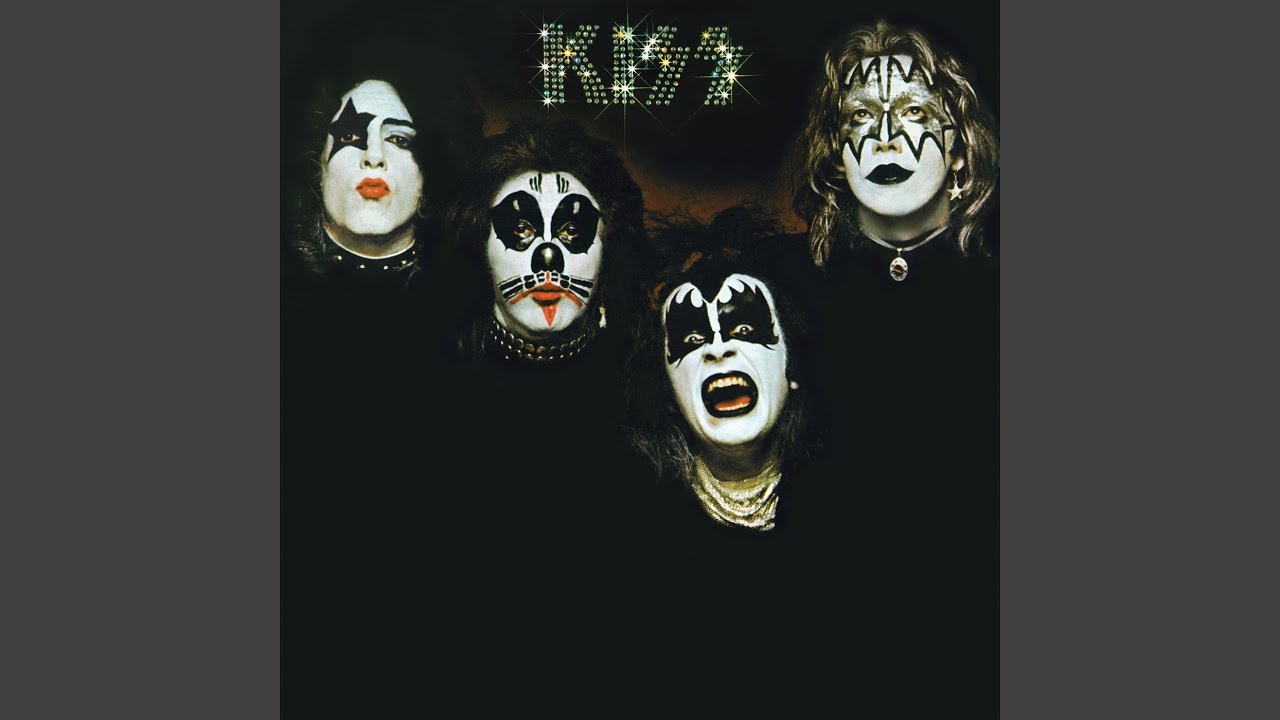
For the next 50 years, Stanley and Simmons led the band through success and failure, line-up changes and reunions, until the conclusion of the End Of The Road tour in 2023.
“That bond is really the constant in the life of Kiss,” Stanley said, “and it was based on some very core values – like work ethic, and the broad knowledge of music that Gene and I shared.”
Combining hard rock power and pop hooks with an over-the top-image and explosive stage show, Kiss shot to superstardom with the breakout success of their 1975 album Alive!
18 September 1978 was a landmark day for Kiss, with the simultaneous release of solo albums by the four band members.
Asked whether this brought out a competitive streak between the four of them, Stanley replied: “I think that was true for Gene and I. I’ve always tried to push him to be better, and whether or not he’s known it, he’s always been my incentive for trying to be better – better than him, sometimes.”
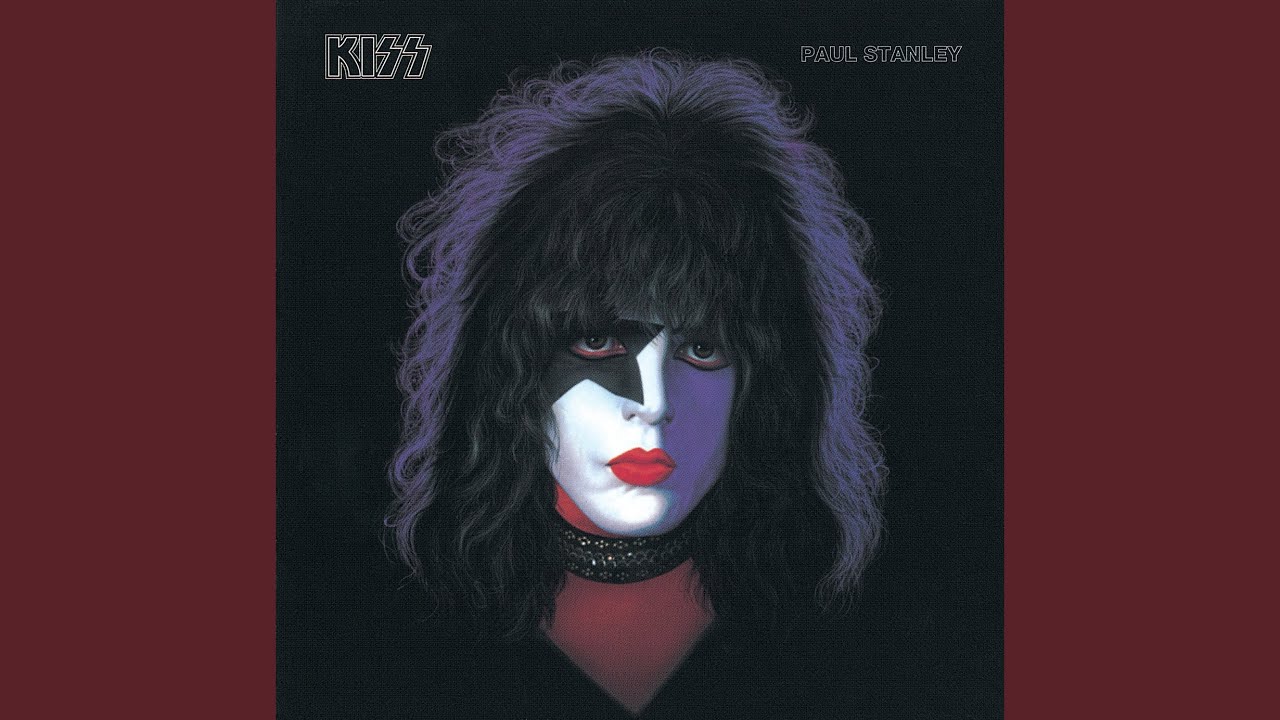
In the end, it was Ace Frehley’s solo album that fared best commercially, with the single New York Groove peaking at No 13 on the Billboard Hot 100.
But Frehley was a loose cannon with a taste for the rock ’n’ roll lifestyle that was shared by Peter Criss. Moreover, Kiss were signed to Casablanca Records, which was infamous for a cocaine culture among its staff.
In that era, with decadence all around them, both Paul Stanley and Gene Simmons remained resolutely drug-free.
Stanley explained to Outlaw: “I saw what drugs did to people. You only had to look at Billie Holiday, or other jazz greats, to see what heroin and other drugs have done to countless people.
“I saw people around me die. The currency at that point was mainly sex and drugs. It was what people used to get backstage, to the hotel, to befriend you. Quite honestly, I would forego the drugs – it’s not in my nature – but I was happy with the sex.”
He continued: “When I was a teenager, working at Electric Lady Studios in New York City, I saw musicians that I really looked up to, they had these big medicinal pill bottles of blow, and I saw how it affected their opinions and decisions, and not productively or positively. That just affirmed for that drugs had no place in my creativity.
“The idea that being wasted or broke is a badge of honour for a rock star – I think it’s pathetic. To see people in bands drugged to their eyeballs because other bands had done it, it’s sad to me, it’s transparent and futile, and it doesn’t lead to any place good. Also, it’s walking a tightrope that you’re not really trained to walk, and it’s a far fall.”
In the late ’70s, despite his vehement opposition to drug-taking, Stanley was a frequent visitor to Studio 54, the famous – and famously drug-infested – Manhattan nightclub. This was where he found the inspiration for the disco-influenced Kiss hit from 1979, I Was Made For Lovin’ You.
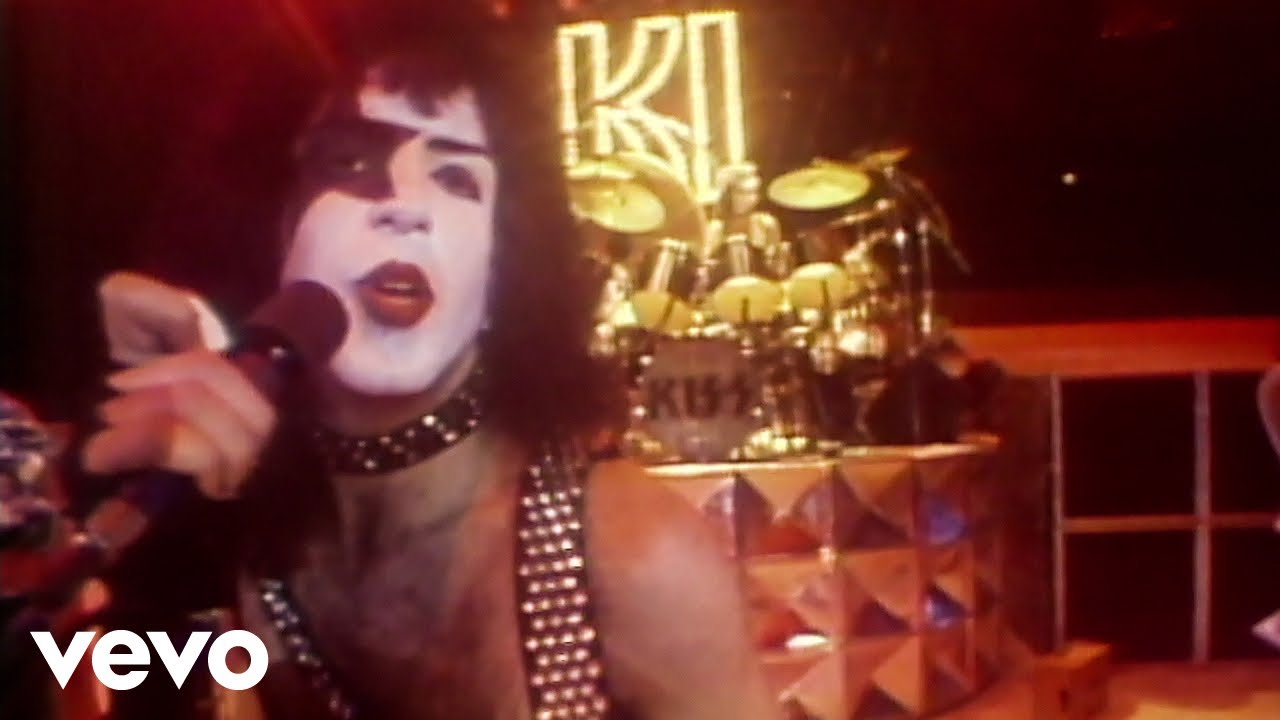
Stanley said of Studio 54: “It was a den of iniquity, Sodom and Gomorrah, and I have to say there were elements of it that were far too decadent for me. There was a freedom there without any sense of consequence, and sadly that took its toll, whether it was drug addiction or AIDS.
“All the drugs and the promiscuity, I don’t think anybody realised at that point where it would lead. But it just crossed a line that wasn’t comfortable to me. It was too dangerous.
“Studio 54 was a great place to go dancing, and it wasn’t Saturday Night Fever, it wasn’t all white suits, the John Travolta look. But it couldn’t last, and there were other great clubs in New York – a place downtown in the far west side called Heartbreak, where we would go on a Tuesday and just dance all night.”
By 1982, Ace Frehley and Peter Criss had left Kiss. Both would eventually return to the band for periods – Frehley from 1996- 2002, Criss from 1996-2001 and then 2002-4.
In 1983, with Vinnie Vincent in place of Frehley and Eric Carr in place of Criss, the previously unthinkable happened – Kiss took off their iconic makeup. This was for the launch of the album Lick It Up, the band having uncharacteristically missed a trick by using the title Unmasked for a previous album in 1980.
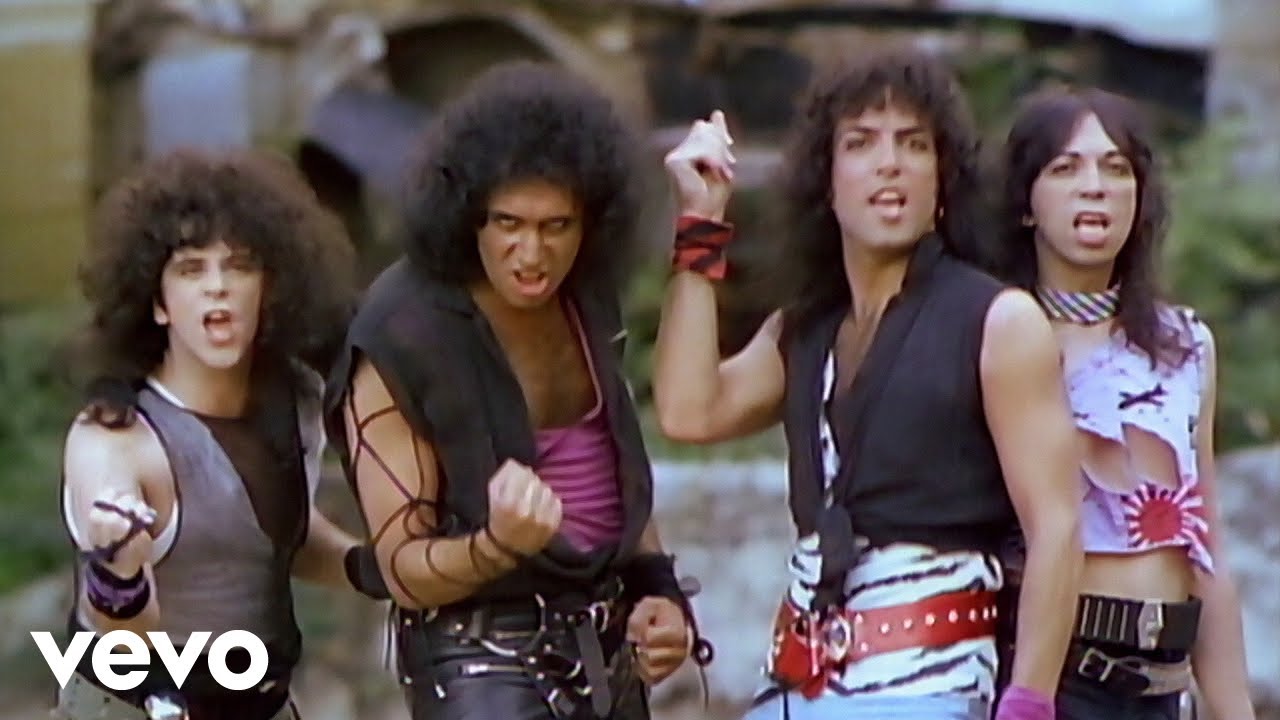
This reinvention of Kiss was Stanley’s decision. “I wanted to prove,” he said, “that Kiss could stand on the music alone.”
From 1983 until the end of that decade, Stanley was proven right. Kiss continued to thrive, even if the relationship between the two leading figures became strained, as Simmons lost focus, distracted by a parallel career in acting and the kind of empire-building illustrated by his record label Simmons Records – leaving Stanley to carry the band.
Stanley admitted that he and Simmons had endured some difficult times: “It happens. That’s life.”
He insisted, however, that there was never a point when he lost belief in Kiss.
“I’m not a quitter,” he said. “Certainly there were times when, in a sense, I woke up and said, ‘Where the hell are we? How did we get off course?’ And that’s the time when you work the hardest to get back on track.
“It’s just not in my nature to throw in the towel. I wouldn’t do that for me, and I wouldn’t give the people who don’t like me or us the satisfaction. So my incentive was twofold.”
In his interview with Outlaw, Stanley acknowledged Frehley and Criss.
“I very much respect the past and how it got us here,” he said. “We wouldn’t exist without the original members, the four of us who started the band.”
But the greater tribute went to Gene Simmons.
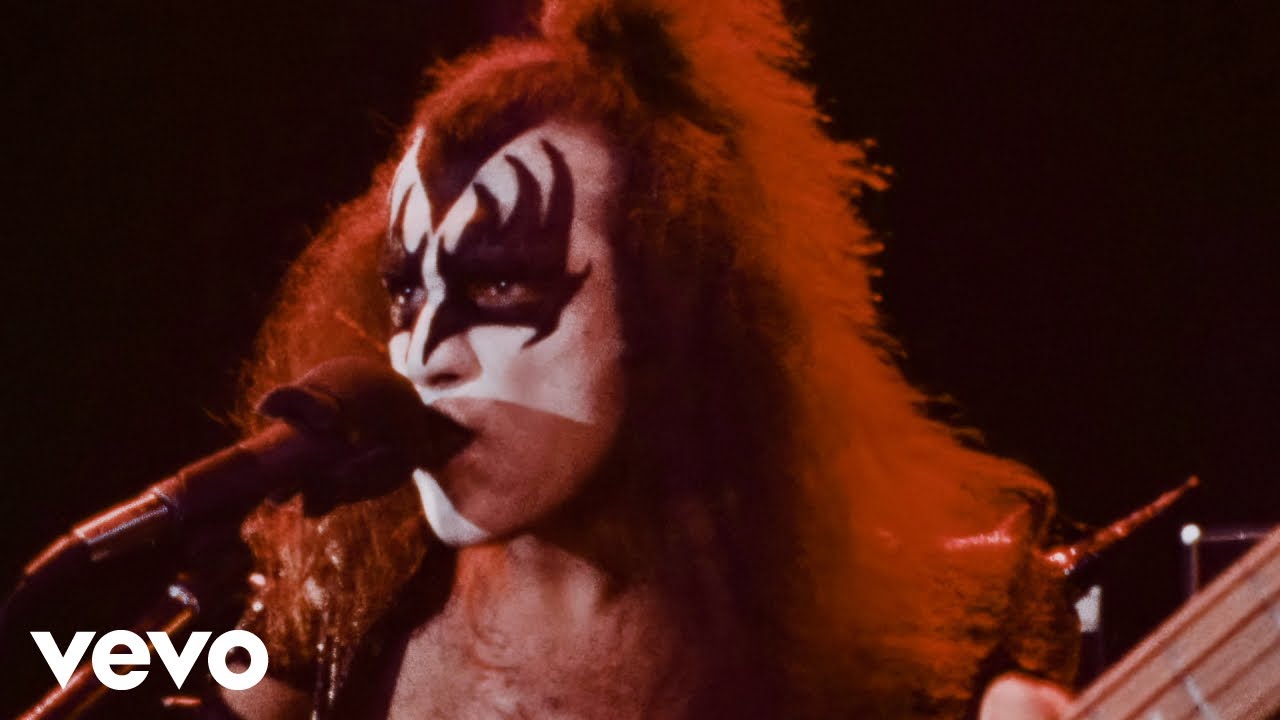
“Gene is as close to me as any brother could be,” Stanley said. “Somebody recently asked me, ‘Is he your best friend?’ No, he’s like my brother. Brothers don’t necessarily see each other all the time, they don’t always get along, but they are always there for each other.
“Whatever competitive nature we’ve had, or resentments over the years, perhaps that’s what fuelled this thing. So in this ball game we won – but we won together, you know?”
