


AI-assisted ‘vibe coding’ is rapidly changing the music technology landscape and established brands are being forced to make quick decisions about how they are going to react.
While the phenomenon of users creating their own DIY firmware, mods or plugins isn’t necessarily anything new, both the volume and speed of these community projects has accelerated rapidly in recent weeks. Now, user communities are often developing ideas and new features for their hardware at a pace the official developers can’t match.
The question for music tech brands is, how do you respond to this? While some hardware developers are so far choosing to ignore or actively block DIY firmware, others, including the likes of Behringer and Polyend, have made moves to embrace community development.
Akai is another brand that falls into this latter category. While teasing its upcoming Sample Key hardware last month, the company signposted its intention to move towards making elements of its product line open source. In the weeks since, we’ve seen the first glimmers of what this might look like in practice, and now with its latest MPC update, Akai is making good on its promise of opening up the MPC ecosystem.
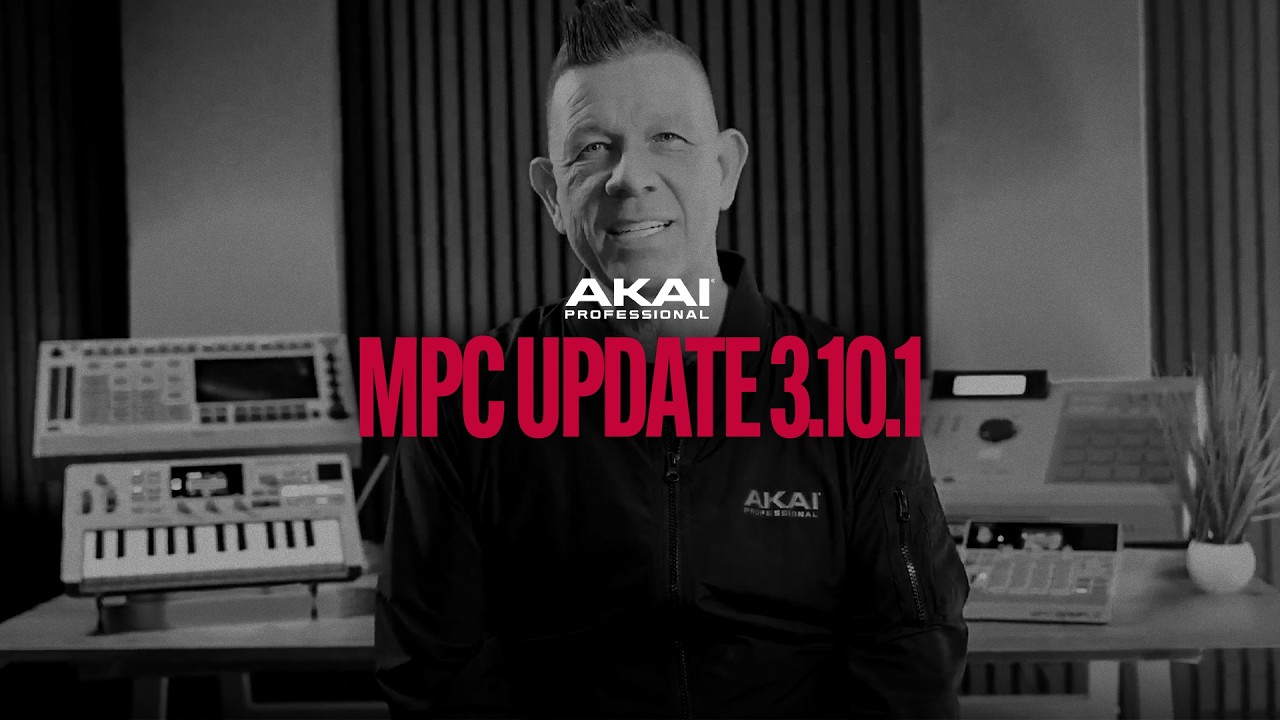
With the launch of software update 3.10.1, Akai is now letting users create their own custom plugins for the MPC and Force hardware, assisted by the newly released SDK (software development kit). The update also unlocks the MPC platform’s 'enhanced development' features, which lifts limitations on plugin and track counts within the hardware, as well as adding mouse support.
This isn’t exactly the fully all-guns-blazing open source approach the Behringer is promising for its – as yet unreleased – MPC-alike Kick. Rather, Akai’s approach appears to be a more measured middle ground, where the company is opening up specific elements of the hardware to custom development without encouraging users to completely rewrite the entire system. It's more akin to Korg’s approach to its ‘Logue’ and Nu:Tekt instruments.
In a video announcing the update, Akai Pro’s Andy Mac explains the need to balance the creative possibilities offered by AI-assisted coding with the risk of cutting corners. While, as he acknowledges, AI tools allows the company itself to speed up elements of development, that doesn’t mean the company will be churning out updates to keep up with the community.
“Faster development doesn’t mean taking shortcuts,” Mac says, “the same focus on testing, stability, and reliability remains essential before we put any releases into the hands of the community.”
Personally, I think this is the right approach for Akai. As I wrote in relation to Behringer’s Kick announcement, I worry that the ease and abundance of unofficial firmware risks leading to a situation where developers feel they can offload some responsibility for ongoing development to their user communities. By trying to balance focused support for DIYers with a steady stream of properly tested and stable official updates, Akai can hopefully find a happy middle ground.

Alongside the update to the bigger MPCs, the MPC Sample gets an update to version 1.4. This adds a variety of new workflow features, but most significantly it also adds community development support and an official SDK to allow users to create their own effects for the unit.
Again, this is something of a middle ground approach to open source, which follows in the wake of numerous high-profile DIY firmware mods that have appeared for the MPC Sample in recent weeks, such as the popular SampQOL mod that, among other things, expands the device’s track and effect counts.
Akai isn’t ignoring these completely though, stating in the announcement video that the company is “already working alongside some of these new community developers, offering ongoing support” – which certainly seems to imply that some of those popular mods may become at least semi-official.
These updates aren’t purely about the SDKs, however. Another handy feature added to the MPC and Force range is the ability to mirror the touch interface and audio to a desktop computer, which is likely to be handy for streamers and content creators.
Akai is launching two new official plugins too. The first is an emulation of the classic SP-1200 vintage sampler, while the second is an SSL SL 4000-style channel strip plugin.
You can hear more about all of these updates in the video above, or head to the Akai site to download the latest firmware.
