
In the summer of 1972, a cute little pop song was rudely knocked off the top of the UK singles chart by a rowdy rock anthem that provoked outrage and calls for it to be banned.
The cute little pop song was Puppy Love, a sentimental ballad sung by squeaky-clean 14 year-old superstar Donny Osmond.
The rowdy rock anthem was School’s Out, a tongue-in-cheek incitement to classroom rebellion, performed by freakish heavy metal showman Alice Cooper.
School’s Out was the big breakthrough for Cooper, and there would be many more hits to follow – including a political satire number that would be hailed as a masterpiece by none other than John Lennon.
But if one prominent conservative activist had had her way, School’s Out would never have been a hit.
Mary Whitehouse was an influential figure in the early ’70s as a pro-censorship campaigner, and it was pressure from Whitehouse that led to the British Home Secretary Reginald Maudling being petitioned to have Alice Cooper banned from performing in public.
In an interview with Rock Candy magazine, Cooper recalled that turbulent period with great affection.
“Mary Whitehouse decided that we were the worst thing to hit Britain since World War II!” he laughed. “But the more they tried to ban us, the more the public stood up for us. The British public was standing up for its rights, but it was also standing up for me – and I’ll always remember that. If it weren’t for Britain, I don’t think Alice would have taken off the way we did. We sent Mary Whitehouse roses every day, thanking her.”
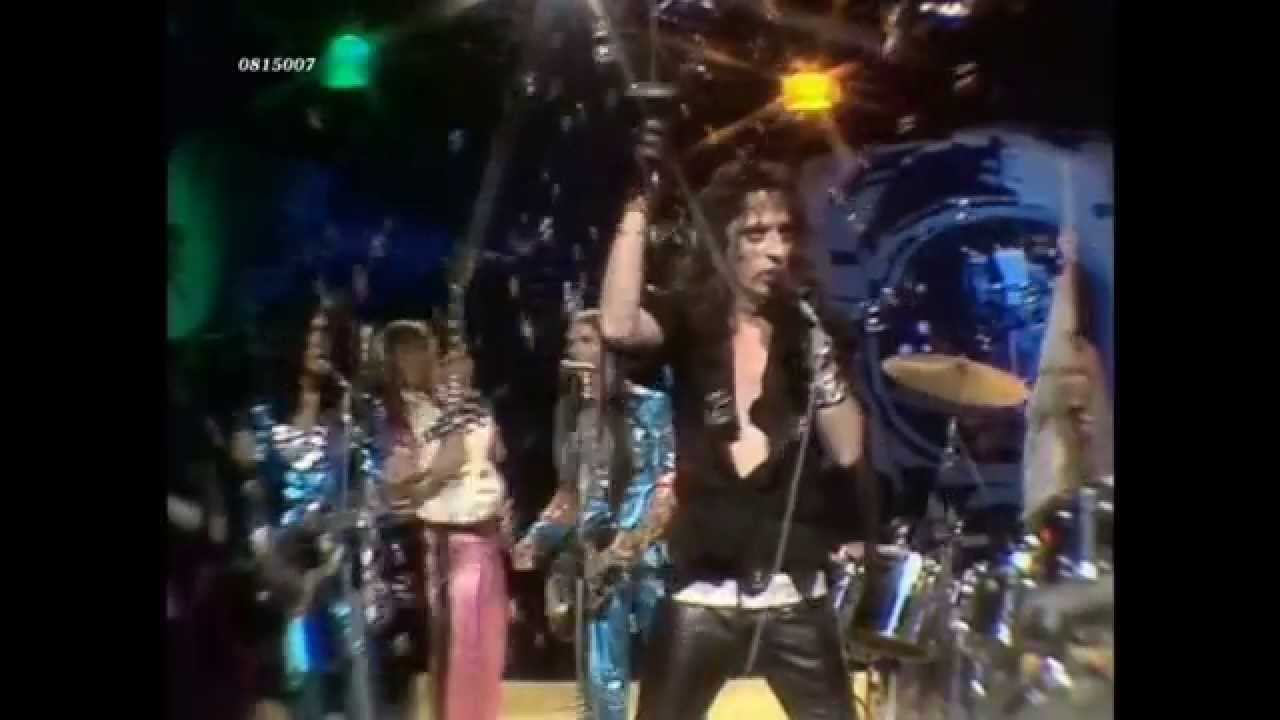
As he put it: “School’s Out has a black sense of humour.” It was every parent’s nightmare and every kid’s fantasy. And in America, too, Alice Cooper was the subject of a witch-hunt by ultra-conservative religious groups.
“It was real modern-day Salem stuff,” the singer said. “They called Alice a Satanist, but I never did anything on stage that was anti-Christian, and certainly nothing that was pro-Satanic. So they didn’t do their homework at all. I said, ‘I don’t know why the Christian right is looking for Satan in rock‘n’roll – they should be looking in politics.’ You know, follow the money! It’s such a cliché that it’s embarrassing.”
All of this controversy didn’t hurt Alice Cooper. On the contrary, he thrived on it. And as he became one of the most famous – and infamous – rock stars in the world, he was moving in high circles. He was embraced by the man he described as “the Elvis of art”, the surrealist genius Salvador Dali. Having attended an Alice Cooper concert in 1972, Dali made Alice the subject of a work entitled First Cylindric Chromo-Hologram Portrait of Alice Cooper’s Brain.
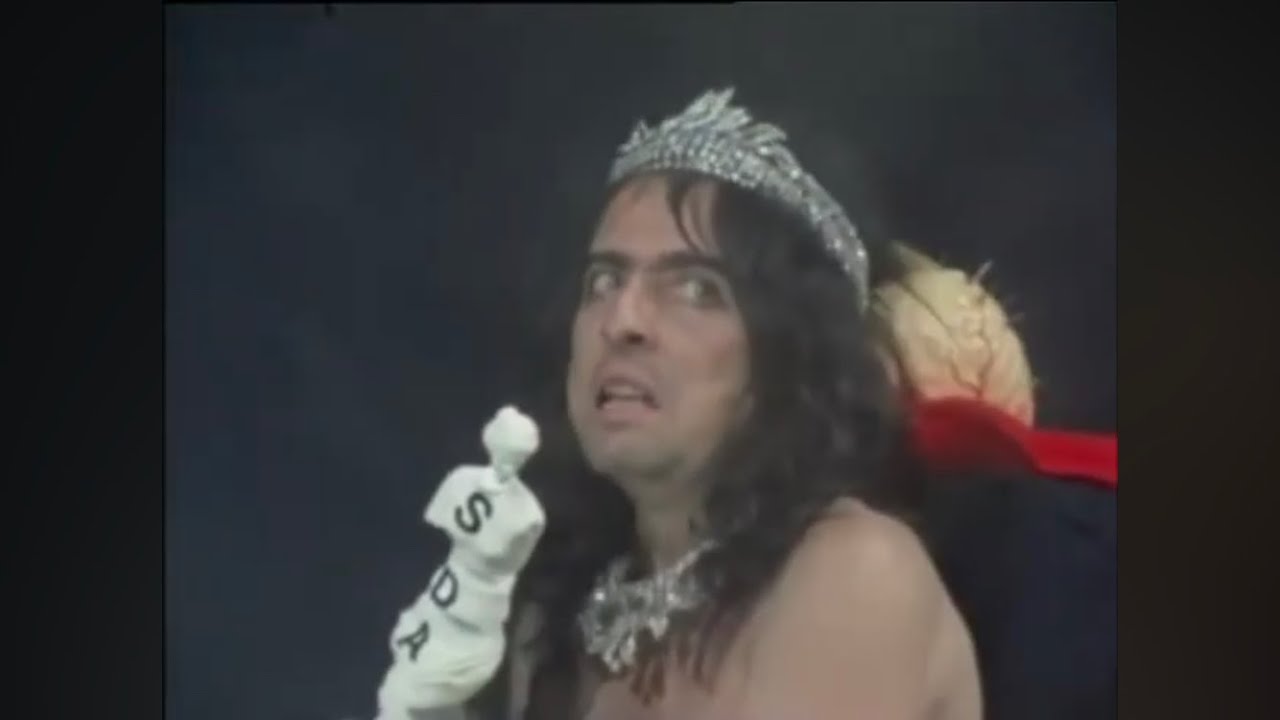
“Dali was my hero when I was an art student,” Cooper said. “But all the time I knew him, I never understood a word he said. He lived in his own surrealistic world. If there was ever a rock star painter, more so than Andy Warhol, it was Salvador Dali.”
Cooper also formed an unlikely friendship with the veteran comedy legend Groucho Marx. “Groucho took to me because he thought it was his kind of show – such a sacrilege to regular showbiz.”
More typically, Cooper was co-founder of a notorious rock star drinking club, the Hollywood Vampires. Its all-male membership included two former Beatles, John Lennon and Ringo Starr, plus crooner Harry Nilsson and The Who’s drummer Keith Moon.
“It was fun,” Cooper said, “but it was all negatives feeding each other. Keith Moon was insane but predictable. I knew if Keith came over it was going to be a four-day party. The problem with Keith is that he couldn’t turn it off. He was the best drummer in rock ’n’ roll – of all time – but he felt that to be Keith Moon he had to be drinking or taking something all the time.”
The album School’s Out was third that Cooper had made with producer Bob Ezrin after Love It To Death and Killer, both released in 1971. School’s Out had the feel of a concept album, much of it playing out like a demented hard rock version of Broadway musical West Side Story.
As Cooper explained it: “The Alice Cooper sound is born in Detroit rock. Really hard rock with attitude and good melody in it. When you add Bob Ezrin, who has a classical music background, then you start getting something. And Ezrin became the only other person I would listen to when I thought, ‘Would Alice say that or wouldn’t he?’”
The follow-up to School’s Out was the 1973 album Billion Dollar Babies.
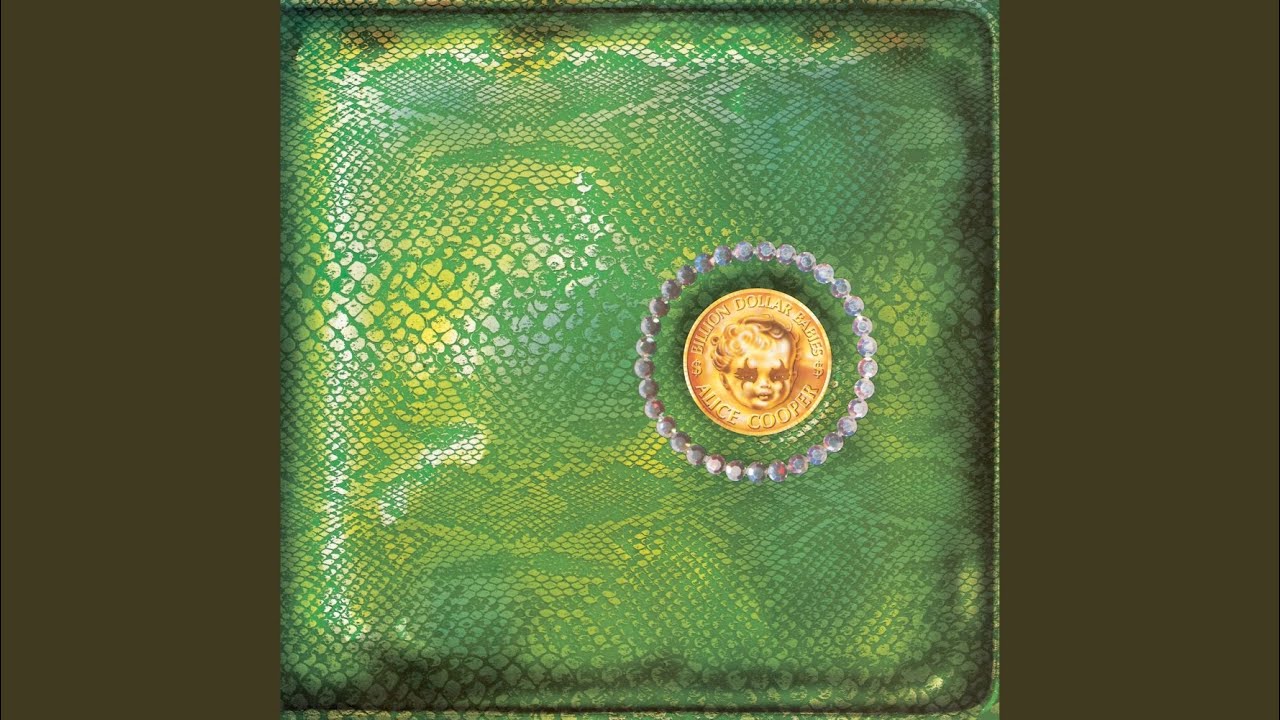
It was a big-production blockbuster and a refining of Alice Cooper’s art, with Ezrin again pivotal. “Bob just went crazy on the orchestration,” Cooper said.
This album’s opening fanfare Hello Hooray was pure theatre. There was weird stuff, too – the creepy title track co-starring ’60s icon Donovan, the self-explanatory Sick Things, and to finish, an ode to necrophilia, I Love The Dead.
And there were more anthems in the vein of School’s Out – No More Mr. Nice Guy, Generation Landslide and the ‘Alice for President’ spoof Elected.
“We were used to being the underdogs,” Cooper recalled. “And now we were being treated like The Beatles. So the whole album was about excess. And we had a song about being elected – what an excess that is!”
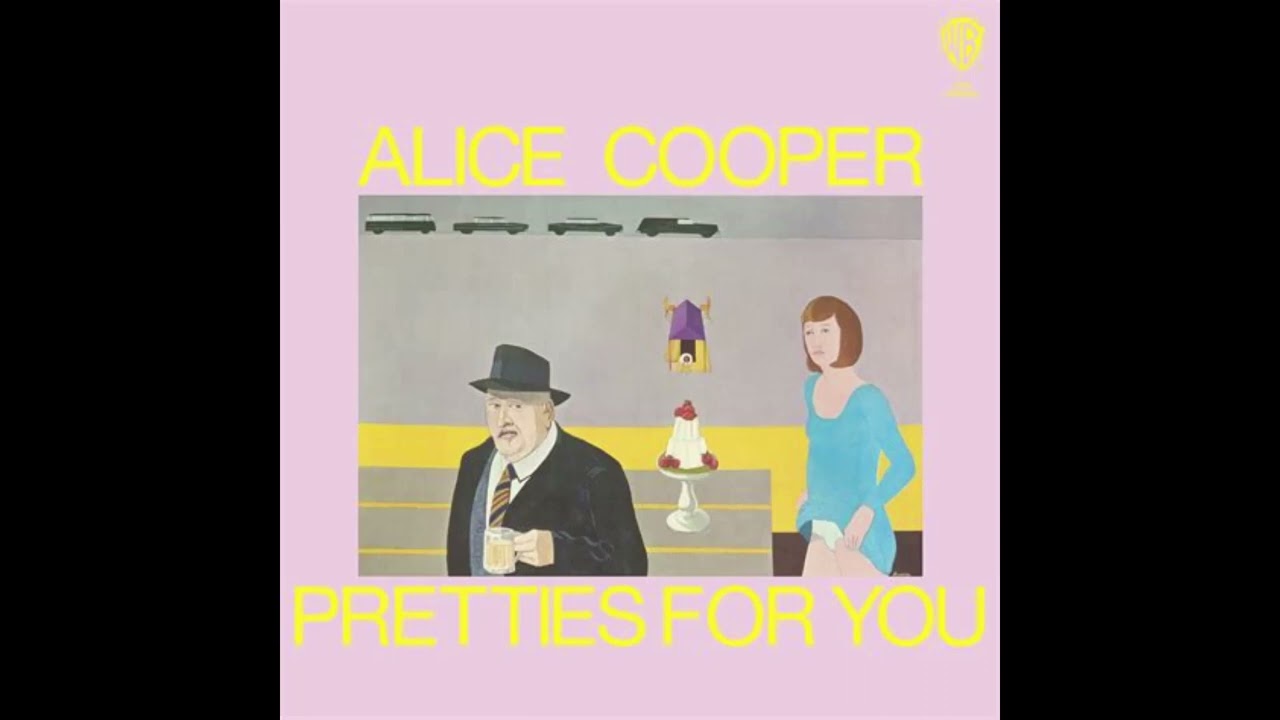
Elected, which made No 4 in the UK and top 10 throughout Europe, was a brilliant reworking of an old song, named Reflected, from Cooper’s 1969 debut album Pretties For You.
Cooper said of Reflected: “It was the only thing off that record that had a hook in it. So we took a song off the worst album we ever made and turned it into one of the biggest hits we ever had.”
With Richard Nixon in the White House, embroiled in the Watergate scandal that would lead to his resignation under the threat of impeachment, Alice Cooper’s joke was delivered with perfect comic timing.
“Your President is always a focal point for satire,” he said. “But Nixon – you couldn’t satirise him enough. When Watergate came along, I don’t think anybody was even shocked. So Elected was Alice Cooper, the anti-politician, going up against the ultimate politician.
He continued: “People even said that Alice ran for President. No I didn’t! I was satirising the Presidency – come on! I was being accused of all kinds of bad stuff, which was fine by me – it was helping my career.
“A lot of our stuff, like No More Mr. Nice Guy, was us making fun of us. And with Elected, I was tooting my own horn. I said, ‘I got you the vote’ – that was referring to [his 1971 hit] I’m Eighteen. And ‘I told you about school’ – that was School’s Out. So Alice was saying, ‘I’m your candidate, I’m the one who’s sticking up for you guys.’”
During the recording of Elected, at Morgan Studios in London in the summer of ’72, a few of Cooper’s drinking buddies were present.
“We had Harry Nilsson and Keith Moon and Ringo Starr in the studio,” he said. “Marc Bolan too.”
Later, to his delight, another of his famous friends raved about Elected.
“John Lennon told me it was a great song,” he smiled. “And Lennon was politically motivated too, so he appreciated the satire.”
Billion Dollar Babies was Alice Cooper’s only No 1 album, hitting the top spot on both sides of the Atlantic. And on the subsequent tour, the singer’s act became ever more extravagant, with audiences thrilling to the spectacle of a mock execution in which the star of the show was ‘beheaded’ by a guillotine.
As Cooper explained, this was evidence of his own sense of morality at play.
“Alice was doing choreographed violence because it was fake fun,” he said. “He wasn’t advocating it. There’s a real art to Alice’s violence. He never picked victims for their sex. The bad guy against the hapless woman just works better – it’s more of a classic storyline. But Alice always got punished in the end. Alice got executed, and then came back for the encore in a white tux and tails.”
