


It happened in Los Angeles in 1968 – the moment when the life of a young rock ’n’ roll singer named Vincent Furnier was transformed.
Just turned 20, Furnier and his band Nazz had only recently left their hometown of Phoenix, Arizona, lured by the bright lights of Hollywood like so many dreamers before them. One night, the new kids in town were hanging out with a local all-girl band, The Weeds Of Idleness, when the talk turned to a group from Philadelphia, also named Nazz, led by rising star Todd Rundgren.
Furnier’s band had used other names back in Phoenix – first The Earwigs, then The Spiders. Now they needed another. In that moment, Furnier said: “We gotta have a name that people listen to.” And as he later recalled: “The first thing that popped into my head was Alice Cooper.”
The name appealed to Furnier’s wry sense of humour. It sounded, in his words, “like some sweet little old lady that made cookies for everybody.” It was so perfectly wrong for a band of longhaired rockers playing loud rock ’n’ roll. And as he quickly realised, it was also perfectly suited to something else he had in mind. As he explained, “I was a little bit shy. I needed something I could hide behind. A character.”
A former art student, Furnier would make this character a living work of art – a singing, dancing, mischief-making, kohl-eyed cartoon bogeyman. Naming it Alice Cooper had a delicious irony, and the added bonus of gender-bending shock value.
“I created Alice to be my favourite rock star,” he said. “Back in the ’60s, there was no rock star that made me go, ‘Wow, I gotta see what happens next!’ So Alice was born out of necessity. And I didn’t want him to be a hero. I wanted him to be a villain...” His stated mission: “To drive a stake through the heart of the Love Generation.”
It was the birth of a legend. With Furnier playing this role to brilliant effect, Alice Cooper became a superstar in the ’70s.
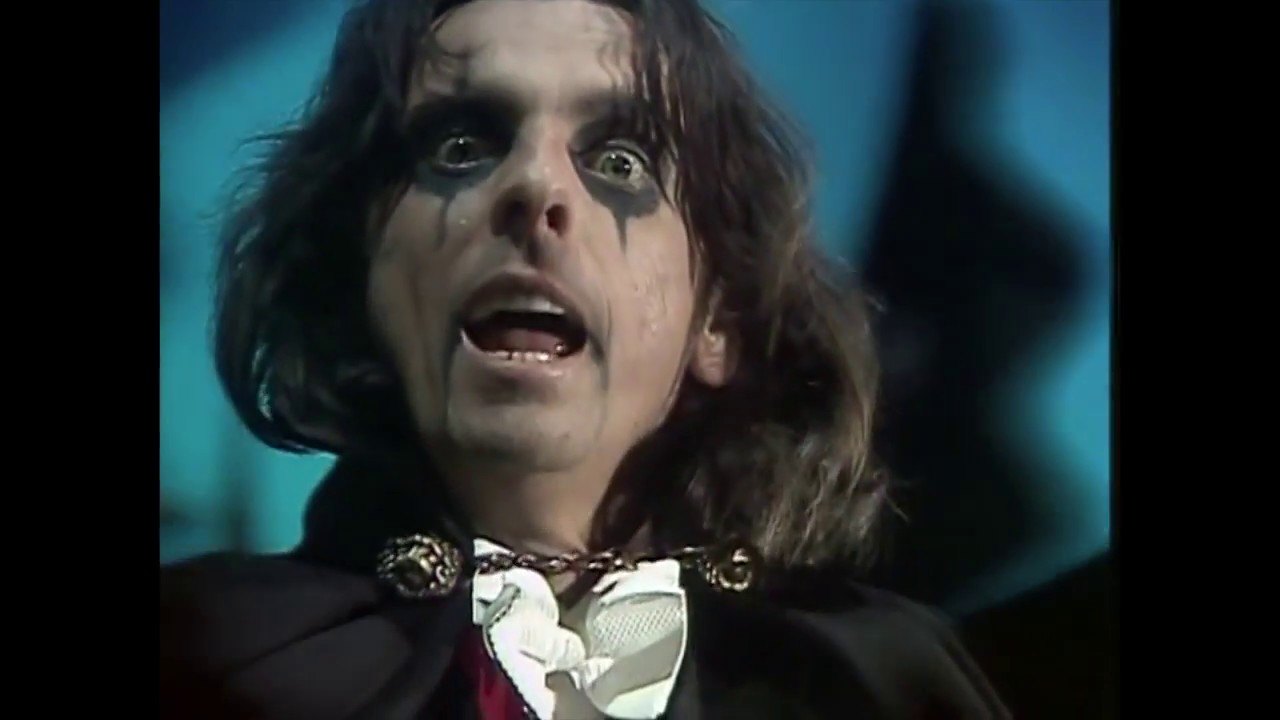
Furnier had a simple strategy: “Pure showbiz with great rock songs.” His gift for satire was channeled into hit anthems including School’s Out, Elected, and No More Mr. Nice Guy. And on stage, he was a master showman, hailed by Gene Simmons of Kiss as “the prophet of the outrageous, the messiah of theatrics.”
Alice was acclaimed by Bob Dylan as an “overlooked songwriter”, and acknowledged by Salvador Dali as a fellow surrealist.
He also had his detractors. To the British pro-censorship lobby of the early ’70s, he was an affront to decency. America’s right-wing Christians branded him a Satanist.
Equally, in the bizarre double life he made for himself, Furnier has had his troubles, including a long battle with alcoholism that had him admitted to a sanitarium in 1977. But as with all the best horror movies, the monster he created has kept coming back from the dead.
Alice Cooper’s storied career has now spanned seven decades. His music, image and OTT stage show have inspired generations of artists, from Kiss and the Sex Pistols to Mötley Crüe, Guns N’ Roses, Slipknot and Lady Gaga.
What happened on that fateful night in ’68 has defined the life of Vincent Furnier ever since. As he stated in an interview with Rock Candy magazine: “Alice is the mask I put on every night. I couldn’t do it without him.”
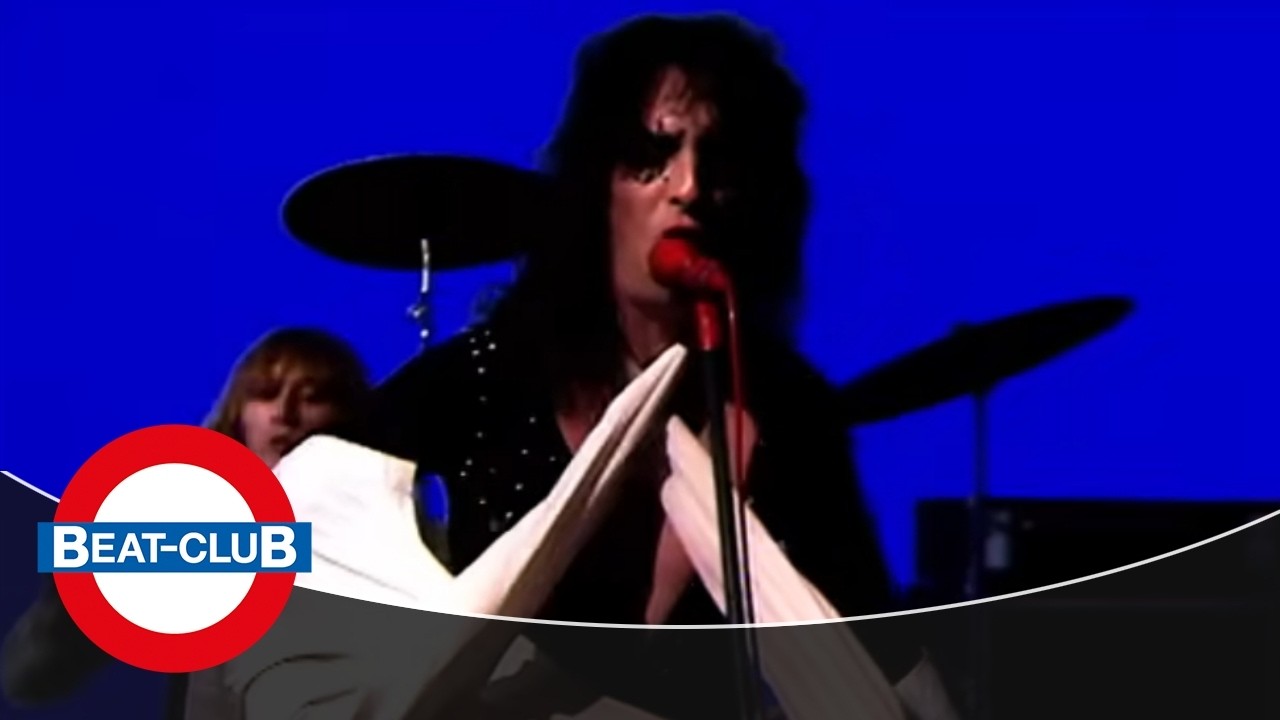
Born in Detroit on February 4, 1948, Vincent Damon Furnier was raised to be a good, God-fearing American. “My dad was a pastor,” he said. “My grandfather was a pastor. I grew up a Christian.”
As a child he suffered with respiratory illness, a condition that led his father to relocate the family to the warmer climate of Phoenix in 1961. And it was there, at Cortez High School, that the teenage Vincent started singing in a rock ’n’ roll band, The Earwigs, backed by four fellow students – Glen Buxton and John Tatum on guitars, Dennis Dunaway on bass and John Speer on drums.
At a time when Beatlemania was at its height, they played mostly Beatles covers and drew plenty of girls to their shows, although Furnier admitted: “When I was in high school, people messed about in the back seat, but nobody ever really did it. If someone went all the way it was a real talking point.” He did, however, develop a taste for alcohol while still underage. “I didn’t know anybody that did drugs,” he said. “Not even a joint. But we all drank beer.”
After a change of name to The Spiders, the band cut a couple of singles for local indie labels, and brought in a new guitarist, Michael Bruce, in place of Tatum. Their music got heavier, influenced by other British Invasion groups, most notably The Who and the Yardbirds. In 1967 they became Nazz, made one single, found a new drummer in Neal Smith, and moved to LA. And in the following year, with the band and singer rechristened Alice Cooper, the freak show was up and running.
“The audience thought that they were going to get a blonde girl folk singer and they got us!” he recalled. “We already had that really strange kind of Baby Jane thing, the smeared make-up.”
They also knew how to work an angle. “We said that Alice was a 13th Century witch. That was a story we let out – that one of the guys’ mothers was a medium and when she asked a Ouija board who Alice Cooper was, it said, ‘Vincent Furnier’. And she didn’t know my name. I thought, ‘Great press release!’ It all got very mystical. We had no one to answer to and everyone believed everything.”
The band’s kookiness caught the attention of rock’s maverick genius Frank Zappa, who signed them to his vanity label Straight Records because, as he dryly remarked, “I don’t get it.”
In 1969 came the debut album Pretties For You, a psychedelic rock blowout that was famously described by one critic as “a tragic waste of plastic.”
Lesser bands might have wilted in the face of such hostility. Not this one.
“We loved that quote,” Furnier said. “It might have hurt a little bit, but at the same time it was a quote that I remembered forever. We always made fun of ourselves, but maybe that was something that spurred us on to make better records.”
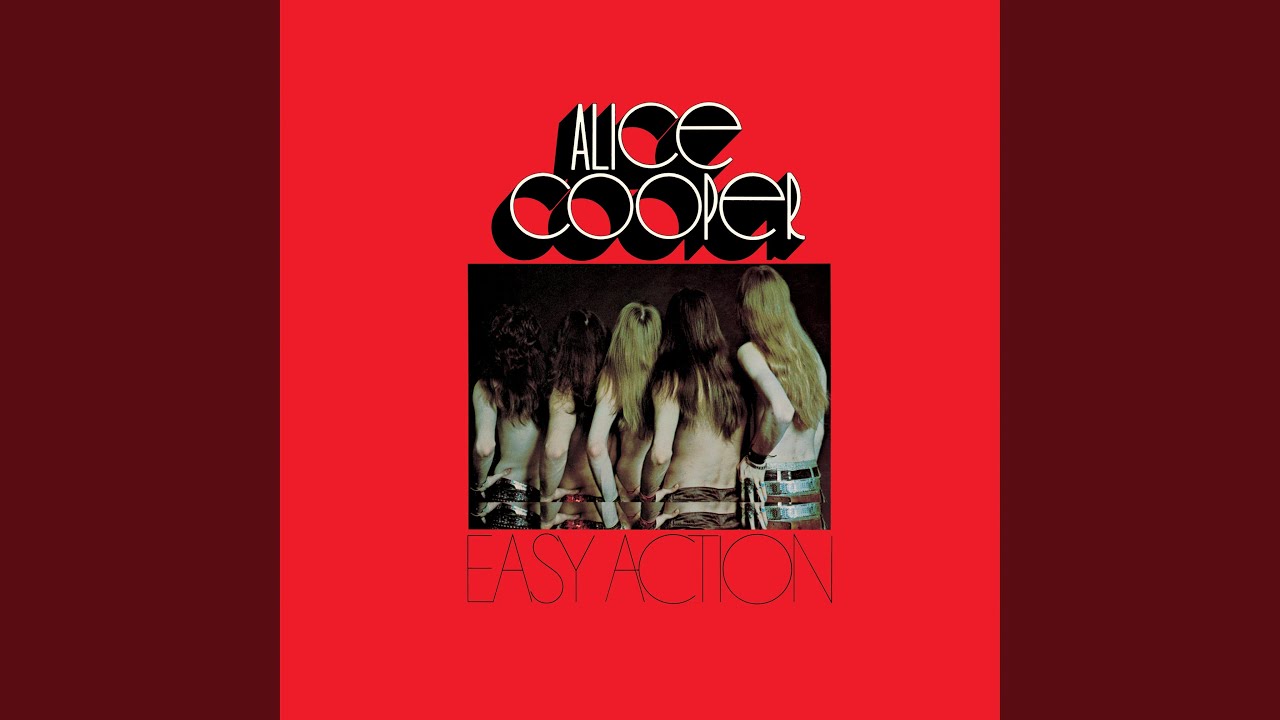
Pretties For You duly bombed, as did the follow-up, 1970’s Easy Action, another example of what Furnier called “very experimental rock’n’roll”.
But if hit records were hard to come by, notoriety came more easily. In September 1969, Alice Cooper made headlines in national newspapers – accused of killing a chicken on stage at a festival in Toronto. The story was not entirely true. As Furnier later explained: “Somebody threw a live chicken on stage, and I threw it back, thinking it would fly. It didn’t, and the audience tore it pieces!”
But for Alice, there was no publicity like bad publicity. It fitted Furner’s act. “The stage character created itself,” he said. “Alice developed. I was a little more Alice with each show. Pretty soon there was this character who was outstandingly inhuman, who stood for all the wrong things. He was crippled, a victim.”
In 1971, with a young Canadian producer named Bob Ezrin at his side, Alice nailed the sound that would make him a star.
He explained: “You get to a point where you want to have your records played on the radio. So you get a guy like Bob Ezrin, who listens to a song and says, ‘Keep these two parts and get rid of all this other crap.’
“Here were five guys that never listened to anybody. But we listened to Bob because was a longhaired kid like us, and that was the key. Bob was the one who just stopped everything and said, ‘We have to start all over, re-learn how to write, re-learn what Alice is about.’”
There was another significant change on the album Love It To Death. According to Furnier, “I became a lyricist. I said, ‘The lyrics need to mean something now.’”
This was evident in I’m Eighteen, an anthem for disaffected youth, written when Furnier was, by his own admission, “smashed on cheap wine.”
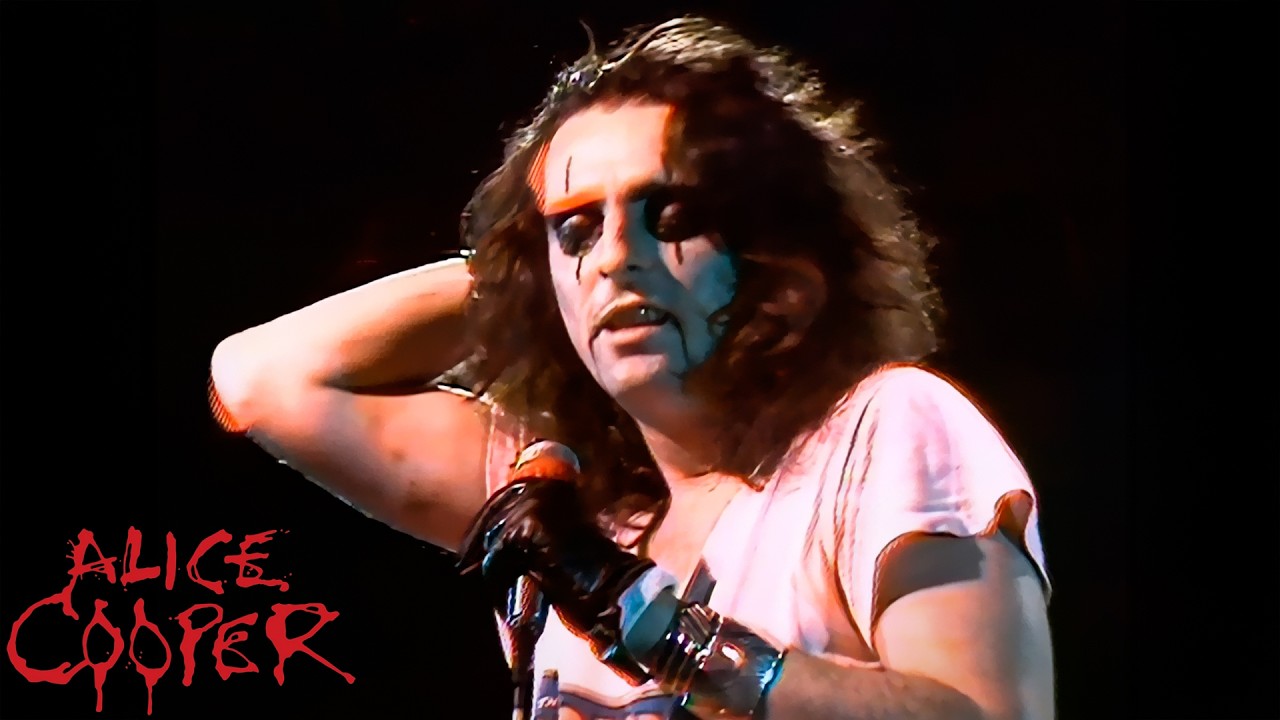
It was Alice’s first hit, reaching No 21 on the US chart, and it made a powerful impression on Gene Simmons, who in ’71 was still just a wannabe, performing in the band Wicked Lester with Paul Stanley, two years before they formed Kiss.
Simmons said of I’m Eighteen: “That song immediately got me with a sucker punch in the kidneys. “I’m a boy and I’m a man…” It killed me. It had guitars. It had a raw vocal quality. And it said something.”
The success of I’m Eighteen and Love It To Death, which made the US top 40, led to a deal with major label Warner Brothers, on which the band’s fourth album, Killer, was released in late ’71.
Again produced by Bob Ezrin, the album delivered straight-shooting rock ’n’ roll in Under My Wheels, shades of progressive rock in the epic Halo Of Flies, and macabre drama in Dead Babies.
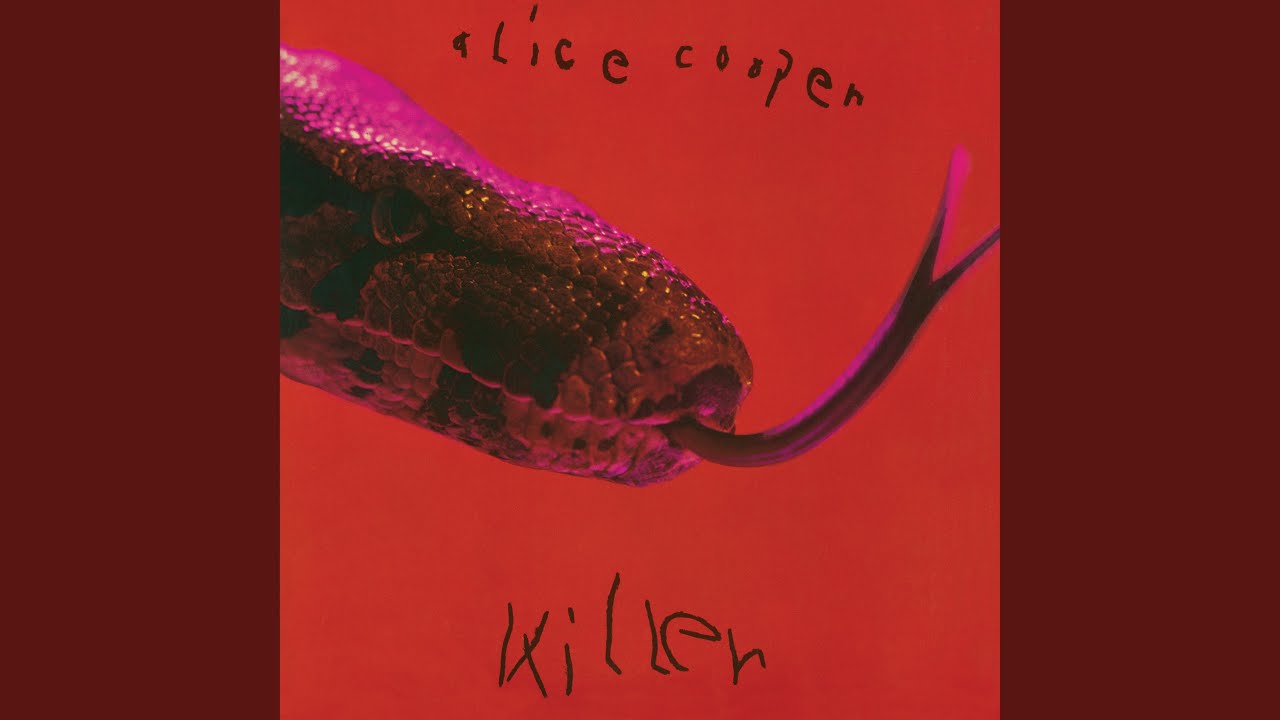
“Dead Babies was an anti-child abuse song,” Furnier said. “But as in most cases, controversial songs are misunderstood.”
In concert, Alice would sing the song while chopping up baby dolls with an axe, and on the cover of Killer was the singer’s live stage prop, a boa constrictor named Kachina.
Furnier called Killer “my best pure rock‘n’roll album.” Former Sex Pistols singer John Lydon hailed it as the best rock album of all time. And with that, the monster that Vincent Furnier had created was set to become famous all over the world.
