We often hear of artists saying that they had a clear vision of how a song was going to end up sounding as soon as they wrote it, but sometimes, things can take a detour along the road to completion.
No lesser singer-songwriter than Taylor Swift recently gave us an excellent example of this during her Icon Sessions interview at the Grammy Museum. It came as she was discussing the 2012 song I Knew You Were Trouble: taken from the Red album, this was one of the singles that signposted Swift’s move away from her country roots to a more pop-orientated sound.
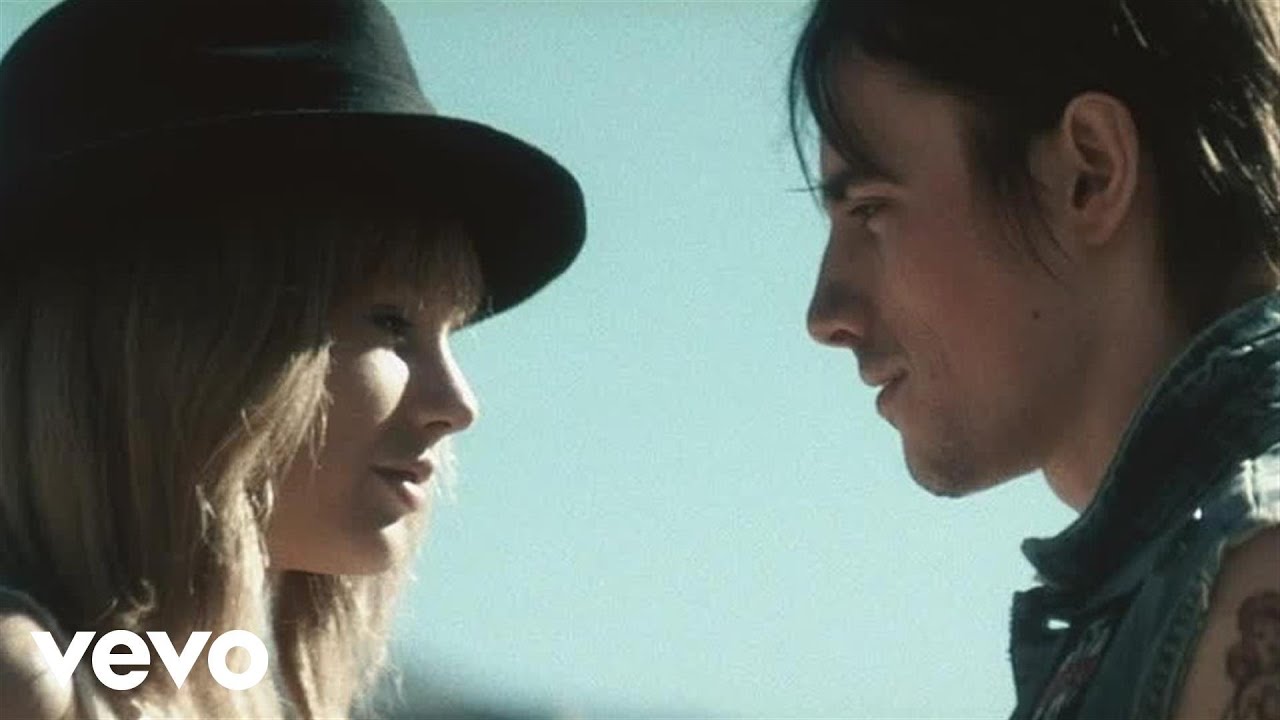
In this case, though, it wasn’t just pop – there were dubstep influences, too. But, as Swift explains, these couldn’t have been further from her mind when the song was being written, and it was only when she brought it into the producers she was working with, Swedish pop maestros Max Martin and Shellback, that they came into the picture.
“I wrote this really sad piano ballad called I Knew You Were Trouble,” she remembers. “I was really excited to bring it in, and I played them this really, really sad ballad, and I was like, ‘I think just no drums,’ and they're like, ‘What if it's dubstep?’”
That’s quite the switch-up, and Swift wasn’t convinced. “I don't know, guys… Let's give it a run,” she told the producers, without a great deal of confidence. But rather than walking back on the idea, Martin and Shellback were apparently keen to stray as far from her original vision as possible.
“What if it's electric guitar and dubstep? We're not putting a piano in this,” they told Swift, and looking back, she agrees that their changes “ended up being the best thing for it.” In fact, Swift dialled-up the dubstep wubs even further when she performed the song live - check out the breakdown in this performance from the 2013 Brit Awards.
Speaking more generally, Swift says that their refusal simply to do what she wants marks Martin and Shellback out as the kind of producers she likes to work with.
“As a collaborator, my favourite people to be in the room with are yes and people,” she says, with the emphasis on the ‘and’ indicating that she doesn’t just want to be surrounded by ‘yes’ people. “So why not try it? If they heard it and they thought dubstep, and I came to them specifically because I didn't want to be making lateral moves creatively, why wouldn't we go down that path? Like, why wouldn't we? And I really think that enthusiasm in the studio, it can really make or break what you end up creating.”
Looking back on Red as a whole, Swift also says that it marked the moment when she decided that she was going to work with as wide a range of producers as possible, which goes some way to explaining the variety in the album’s sound.
“Red was where I decided I'm gonna try to find myself by exploring all the edges of all the different producers I could work with – everyone from Dan Wilson to Jacknife Lee to Max Martin to Nathan Chapman to Jeff Bhasker,” she says. “I was like, ‘I want to work with everybody I like – everybody whose music I like I want to see what they're like in the studio. And that album was very much like changing channels, back when we used to do that. When I look back on that album, that was what made it exciting, the variation of it.”