


With a CV as extensive as Jack Antonoff’s you’d be hard-pressed to name a pop figurehead that hasn’t worked with him. The man who Taylor Swift trusts as her closest creative confidante (Antonoff co-produced and co-wrote on every one of her studio albums bar 2025’s The Life of a Showgirl), Jack has grown into one of modern music’s most esteemed luminaries.
Beyond Taylor, the likes of Lana Del Rey, The 1975 and most recently Sabrina Carpenter have drawn upon Antonoff’s emotion-led songwriting style and his distinctively retro gear-angled sensibilities when concocting the tracks that have dominated charts the world over.
But Jack, speaking to MusicRadar back in 2023, saw little distinction between the type of mass-appeal pop that he’s a dab hand at building for his roster of stars, and the music he makes himself under his synth-pop alias Bleachers.
For Antonoff, imperfection is often the key to making something sound unique;
“The irony of pop music is that it's this field that's so rigid, but the only stuff that's successful is the stuff that’s out on the other side of it,” Jack told us. “If you write something that you think is a perfect pop song, that fits perfectly into everything, it’s probably boring as f**k. The perfect pop song is by definition the imperfect pop song.”

It’s hard to believe, but Antonoff told us that he’s never once used a MIDI instrument, instead focusing on organic, out-of-the-box creation;
“I'm completely out of the box with gear. I've never used a MIDI instrument in my life. I'm always pushing myself by using different things, and what's nice about analogue gear is everything is a completely new journey.”
Antonoff’s fixation with analogue hardware can become a problem, particularly if he's having a sleepless night…
“The death of me will be that Reverb app. They're not paying me to say that, but Reverb and Vintage King and Soundgas and all those places… you know, at four in the morning when I can't sleep, I'm just looking for things and then dreaming about what I could do with them. Some people buy watches, some people buy cars, I buy gear. Since I was a kid, anytime I had a little bit of money, I would buy gear.”

Being such a tactile creative by nature, it’s no surprise that Jack has an aversion to presets;
“I have no presets. I’ve played synths long enough to know how to dial in the sounds I want,” Jack told us. “I know what to do, but I like the fact that it's new every time. Even if you have presets on a vintage synth, it's still new every time. That's one thing I love when we play live with Bleachers, we have Juno-106s on stage, and nothing ever comes out the same. Those things are just strange. Their mood is so interesting.
“One thing that I like about not having a preset is often if I’m just recording and I'm dialling in the sound as I'm going, the moments of dialling in a sound can become really interesting transitional pieces,” Jack explained. “If I’m dialling in a sound, it'll inherently sound like a question mark, and that's an interesting thing. So you can just go through the recording and grab those moments. For me, it's transitional bits: my rev up into a chorus or the panning sound that takes me into the next part, that could be a moment when I was searching for a sound and something happened that was interesting.”
Antonoff also told us about how he infused a heap of analogue synths into Taylor Swift’s 2022 record, Midnights.
“Oh, I went nuts on that s**t, man,” said Jack. “The funny thing about Midnights is, as synthetic as it is, it's actually very analogue. So much was going into tape. I was really into the Oberheim OB-8, which I had never used another album, so I got really crazy about that. We were getting a lot from Yamaha DX7s, which I hadn't used before really on anything. I was using the Solina in a lot of places, which I never use in other records. That album was just wanting to push into a different place with synths.
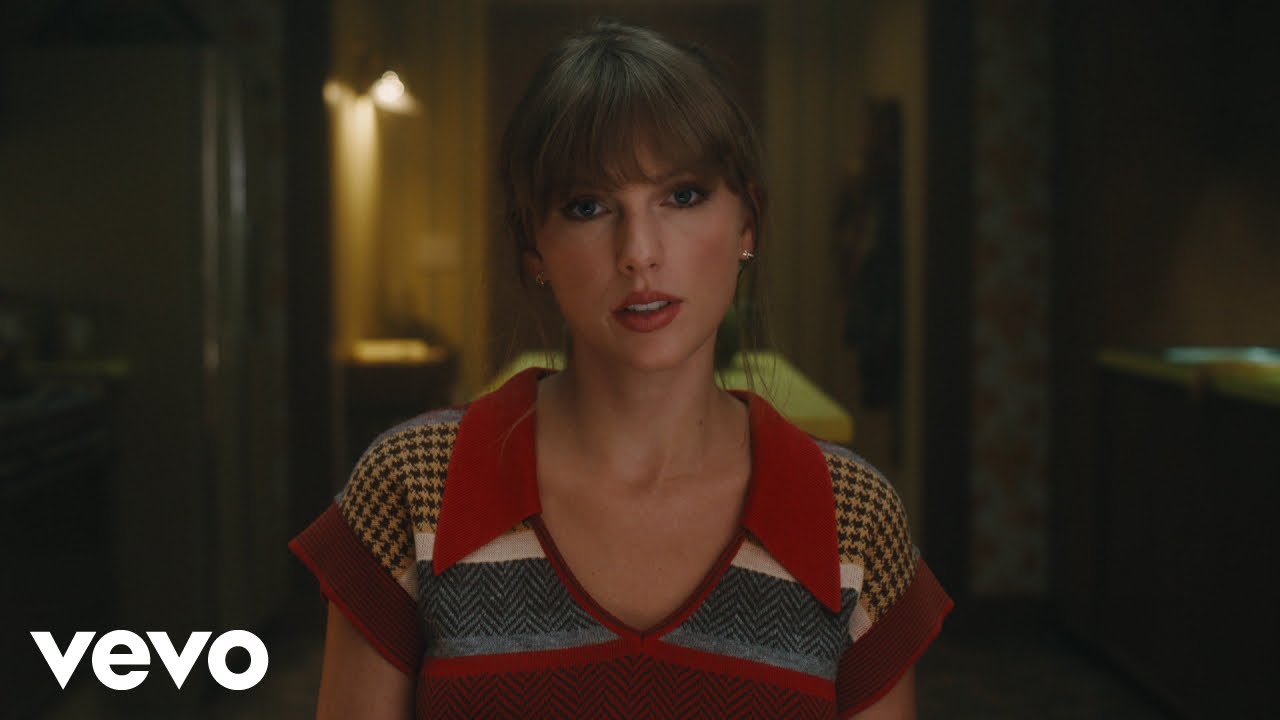
“There’s no Prophet on there, because I had used Prophet on a lot of other stuff, so I kind of just put that one away. Getting a lot of low end from the DX7, which I'd never done before. I was using patches on the DX7 that I thought were really rich, but then adding my low end afterwards, trying to find low end in odd ways. A lot of really grimy sounds I was dialling in on the OB-8 and then treating them after the fact.”
Jack continued, “I was just trying to play with the boundaries of things I hadn't done before. So what happens if all my delays are coming from tape, and all my choruses are coming from outboard gear, and I’m just running everything through as much analogue outboard as possible to make it so incredibly rich? When I listen back to that album, I have these memories of putting myself into those places. But really, for me, the OB-8 was the star.”
One thing we were keen to discover was how Jack gets the best from this revolving door of major superstars. How disciplined is the studio when working with these figures professionally?
“The room is a sacred place,” Jack told us. “There's no bulls**t. It's not about this, or that, we're all just working towards the album or the song. Like I keep saying, we’re finding that void in culture and then imagining what we want the world to hear and what's exciting us right now. It’s a gut thing, it's undeniable. When you're inspired, you're inspired. When you're not, you're not. I think that level of zero bulls**t about what we're feeling is the bedrock of making it at the level that it needs to be made at. I’ve always felt that way. I've always had a bit of deep, do-or-die, endless preciousness about how important this process is.”
