


Nobody needs to explain to Jared James Nichols the appeal of a vintage guitar. He has an appreciation of the kind of magic an a electric guitar’s history gives it, the scars in the finish, the cigarette burns and buckle rash, maybe even the wonkiness of its electrics that make it scream when the amp is dimed.
And he understands the collector’s mindset, even if he doesn’t share it. He also knows you need deep pockets to go shopping for Golden Era Gibsons, pre-CBS Stratocasters, all that stuff. But as he sees it, people have lost the run of themselves when it comes to these instruments, obsessing over their value, the kudos that comes from owning them.
As a guy who plays one of the first Les Pauls ever made, a 1952 Goldtop destroyed in a tornado then restored and named Dorothy, and Ol’ Red, a ’53 Goldtop refinished in red, Nichols believes people are forgetting what made these old instruments special in the first place.
“This is almost clickbaity but it’s like a lot of people lost the plot with the vintage guitar thing,” he says. “It went [away] from being a tribute to the music, and an honour to the music, and the sounds that you love, and the sounds that are timeless in your life. Like, literally, when I pick up Ol’ Red, or Dorothy, or any of these guitars, and I plug them in, I go, ‘Oh my gosh! That’s the sound’ You know what I mean? It fills my heart but it is also inspiring.
“But I think a lot of people started to say to themselves, ‘Well, do you know how much this one’s worth? Do you know how rare this is?’ Then it almost got like trading cards, or coins, where it didn’t really matter about the sound. It was, ‘Oh, that one, someone broke the headstock…’ To me, ‘Okay! Awesome, they broke the headstock? Let me play it. What does it sound like?’”
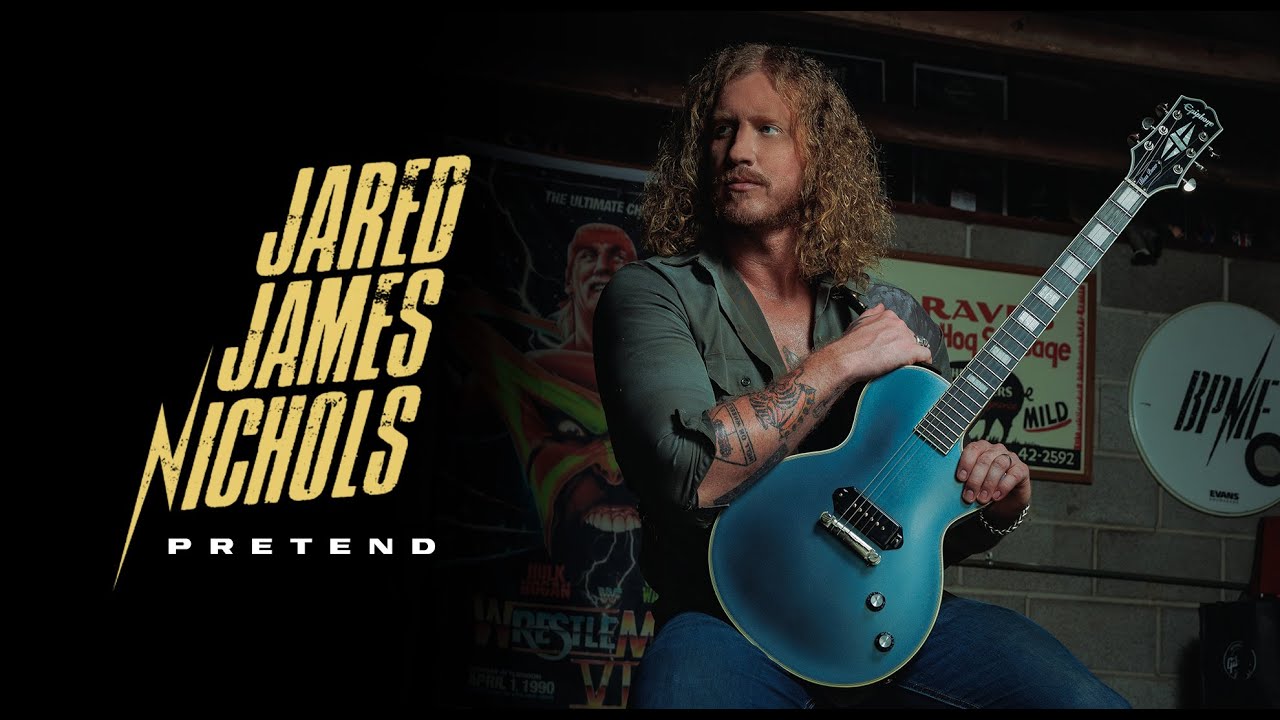
Joining MusicRadar from the front seat of a beat-up Chevvy Suburban, Nichols says this old wagon of his tells us a lot about his taste in guitars.
All my stuff, it has a story. And Dorothy? Forget about it, that’s the vibiest guitar I’ve ever come across
“Everything I own is a beater, and I know that sounds funny,” he says. “Right now, I’m in an old Suburban. I have an old [Chevrolet] Chevelle, and all of these things that I own, the guitars – everything – they have a story way before me. And you can see that, and they’re weathered, and they’re honest… I just think all my stuff, it has a story. And Dorothy? Forget about it, that’s the vibiest guitar I’ve ever come across.”
Nichols releases his fourth studio album, Louder Than Fate, on June 5, via Frontiers. Recorded with Jay Ruston, it saw him rock up at Dave Grohl’s Studio 606 and tear the paint off the walls with a 100-watt ‘68 Marshall Plexi that was so loud he they had to remove two of the power tubes to knock it down. “It was shaking the walls so bad that you were able to hear it in the tracking,” he says.
And this is very much his style, the ‘Blues Power’ sound as Nichols calls it. Its muscular. Its physical. There’s more than a little pro wrestling to this style of playing, as though he’s trying to choke out the strings with those bends. Some collectors like the idea of lending Nichols a vintage guitar for a show and having the pictures that go with it. He’s particularly juiced about the prospect of playing the late Leslie West of Mountain’s Flying V’s when he plays New York.
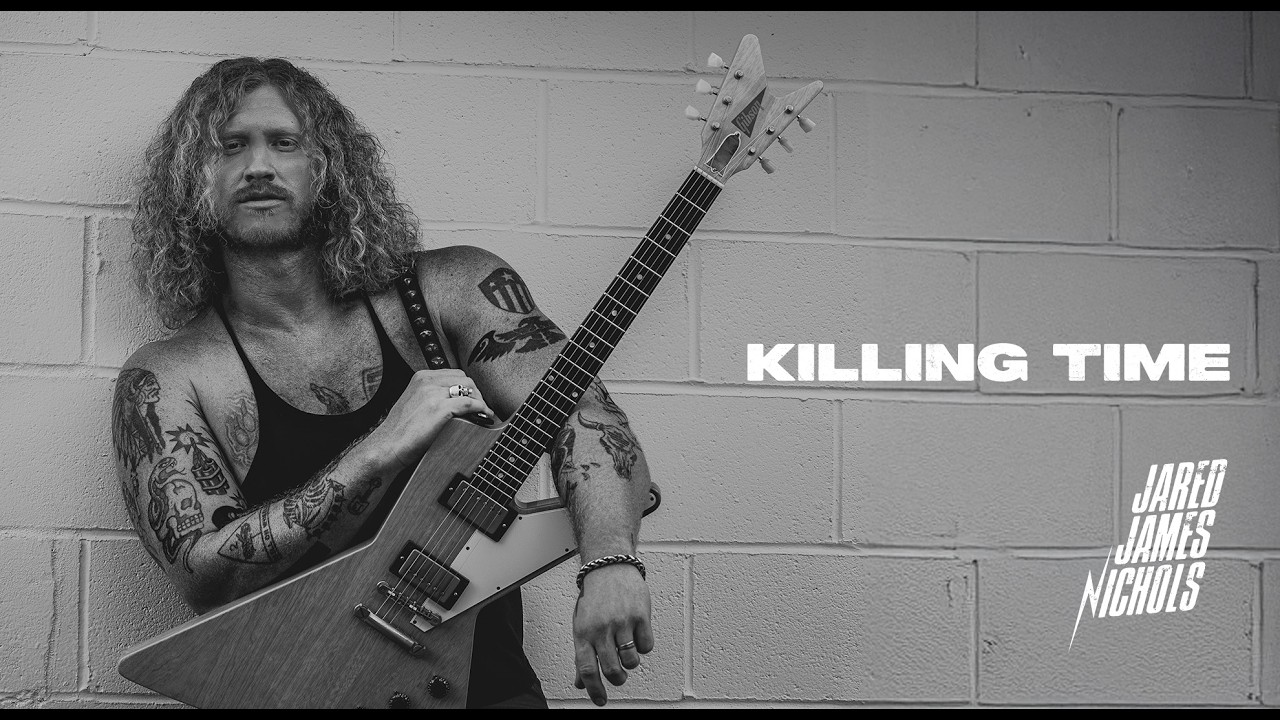
Nichols says he gets collectors turning up at shows with golden era Les Pauls and asking if he wants to play them onstage. But all this holy grail business has him saying no a lot of the time. Things have gotten too strange.
These things were meant to be used, and I believe that no matter how expensive they get – I get it, it’s collecting – I just love to use them as intended
“I don’t really feel comfortable playing people’s guitars, anymore, unless they’re friends, like Joe [Bonamassa] or whoever, because it’s a little bit… it just gets a little weird with me now,” he says.
Nichols is no Pete Townshend. At the end of the song, he’s not going to send the guitar through the kick drum. He’s going to respect the instrument, whether it’s off-the-shelf new or a pristine survivor from the late ‘50s. But some of these guys who turn up with their ’59 Les Paul Standards for him to play just don’t understand the full implications of what it’s like to actually play rock guitar under the lights.
“I was in Florida, and a guy had one, and he wanted me to play it for a song, and he was emailing us, emailing us, and he wanted me to play it,” says Nichols. “Totally cool!”
Only it gets less cool as the show gets closer.
“They go to hand me the guitar, and he looks at me and goes. ‘No rings!’ I’m wearing a ring,” says Nichols. “He’s like, ‘Don’t wear a ring when you play my guitar.’ And I’m literally about to take it onstage, and I look at him, and go like this [shakes head], ‘Oh no, I can’t. We’re not having this conversation right now.’ [Laughs]”

This minor diplomatic incident gets smoothed over. Nichols takes to the stage with the ’59 ‘Burst, and it’s a typically aerobic activity, all that pentatonic jiu-jitsu on the fingerboard, and those lights… Those stage lights are hot.
“I play the guitar, and man, like you know, when I’m onstage, I’m kind of a sweaty beast,” continues Nichols. “I’m doing my thing. I don’t ever, ever beat up guitars. I respect them, and I love them – and especially a guitar like that. I play it, and I just have a little bit of sweat. I finish the song, and the guy is LOSING it! Because there’s now sweat on the top of his ’59 Les Paul.
“Afterwards, he’s over there and he’s wiping it down and everything, and I went, ‘Are you all good?’ And he goes, ‘Well, I didn’t realise you were gonna sweat on my guitar.’ And I just said to him straight up, ‘Man, what do you think this is? You want to get pictures of me playing your guitar to tell your friends or whoever, and then I sweat on your guitar because I’m literally in a performance?’ So, all I’m saying, is just people lost the plot a little bit.”
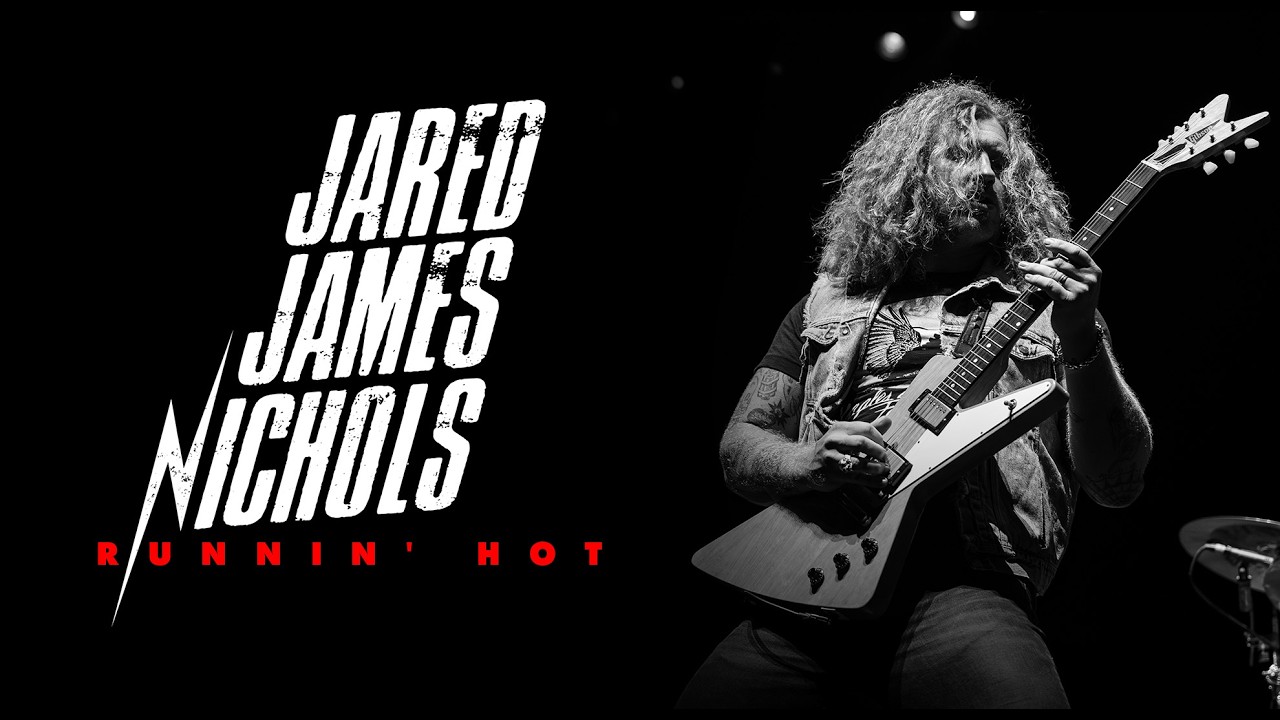
And this is the thing about vintage guitar collecting and an inflated market that makes one of these instruments more valuable than both of Nichols’ Chevvys put together, we’re quite far removed from the culture that gave them the allure in the first place.
We’re a million miles from Eric Clapton using the string tree of his Stratocaster as a cigarette holder. No one is chill. People need to be cool again.
“Yeah, dude, you nailed it,” says Nichols. “These things were meant to be used, and I believe that no matter how expensive they get – I get it, it’s collecting – I just love to use them as intended, and that isn’t an abuse thing, or whatever, it’s just to hear those guitars and a loud amp going for it, it’s beautiful, and when I think about Dorothy, or Old Red, or any of these guitars, I go, ‘That’s what I’m into it for.’”
Louder Than Fate is available for pre-order via Frontiers, and is out June 6.
