


U2 guitarist The Edge says that his creative mindset – and that of the whole band – owes a huge debt to the punk rock explosion of the late ’70s.
U2’s first album of new material in nearly a decade, Carnaval de Luz, is released on 13 November.
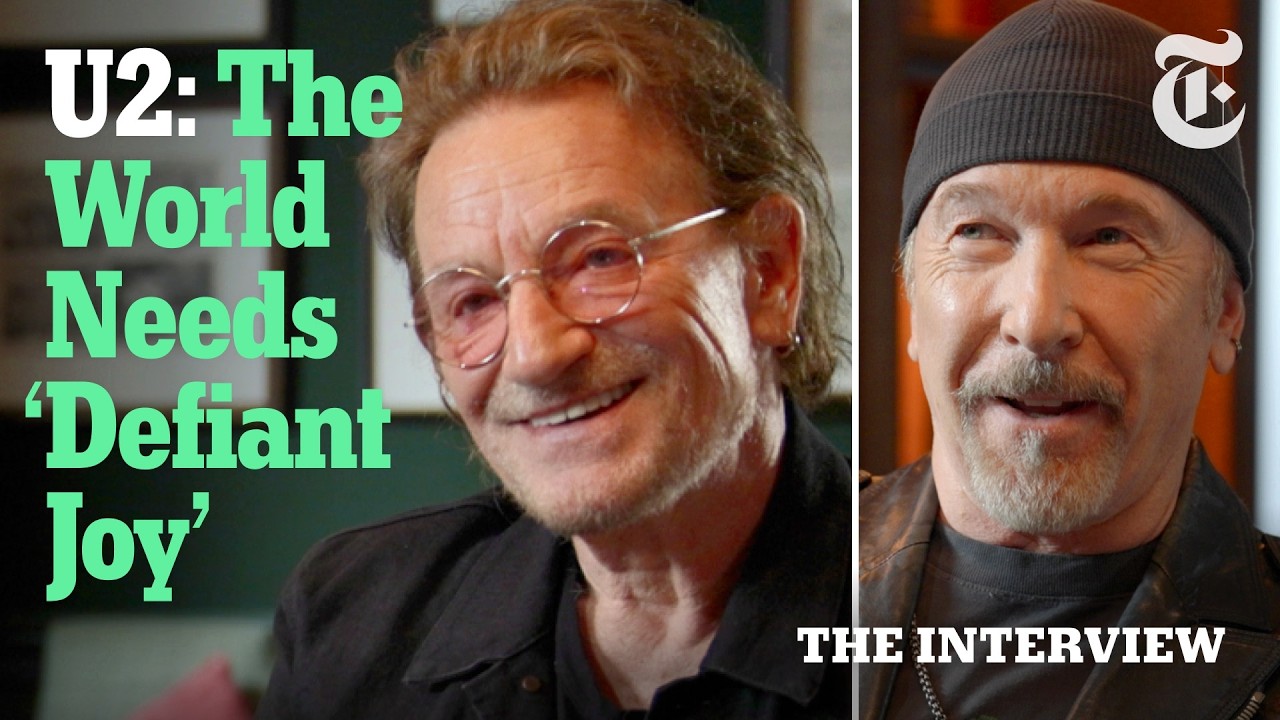
Speaking alongside singer Bono in an interview for The New York Times podcast, The Edge recalled how U2, having formed in 1976, were inspired by the sounds of punk and post-punk.
He stated: “I’ve always made it a point to try and find a way to make the guitar sound different and to to play the guitar in a different way. I think that was born of the fact that we emerged as a band in that moment after punk rock.
“Punk rock kind of pulled everything down and started from ground zero again. So we took advantage of that opportunity to to start something new. The cycle is order, disorder, reorder, and we we arrived just at the beginning of that reorder phase.
“But that demanded that you did abandon the past. We were looking for what’s next in this in the story of contemporary music – where where does this story go now? So, from a guitarist’s point of view, I was always trying to do something fresh, and still do.”
He continued: “I think that we're almost back in that moment again. I don’t mean necessarily just in music culture, but in terms of global geopolitics, all of the things that were affecting culture in the mid- to late- ’70s, post Vietnam, it's like we’re there again. So I think music has to do a similar thing of reinvention, and I think that’s an exciting moment. I think for music to to find a new narrative to to to follow.”
Asked which artists were now enacting that reinvention forward, the guitarist replied: “Geese, for instance. I think that’s a very compelling new thing. Fontaines D.C., another great group that are really taking things in a different direction. And there's more, you know.”
He said of his own sensibility towards music and music-making: “When when it starts to feel too comfortable and too predictable, I start to to twitch. I'm looking for a shocking new thing, always.”
Way back in 1984, in an interview with One-Two Testing magazine, The Edge explained how he developed his signature playing style, which was heavily influenced by how his U2 bandmate Adam Clayton played bass.
“I don't think I'm a particularly talented guitar virtuoso,” he said. “My talent if it's anything is my approach to the guitar by the use of effects, by non-acceptance of the usual approaches to the guitar.”
He continued: “My guitar style has always been the product really of the rest of the group. Adam is a very ostentatious sort of person, very extravagant, so when he started playing bass he wasn't interested in taking the bottom end of the sound spectrum at all. He wanted to be right up there in the mid-ranges, so his bass sounds were always extremely full with a lot of top end — very different to say Simple Minds or any of the other bands around that era.
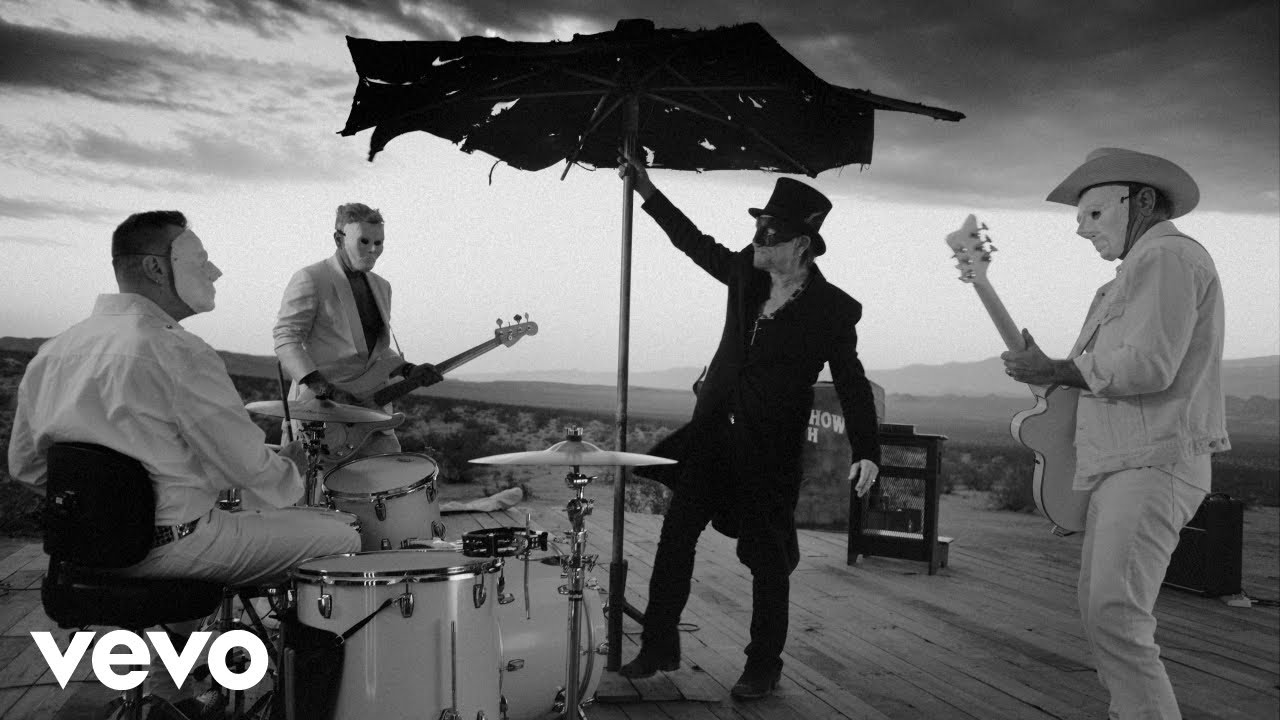
“In order to give the group any sort of clarity, therefore, I had to stay away from the bottom end of the guitar as much as I could. So I tended to work around those high chords, that ringing sound...
“So when we started writing our own songs it just developed, this style of using high chords with that sort of ringing quality, not particularly rhythmic but more just a harmonic wash over little hook lines picked out within the songs, essentially very much as it is now.
He concluded: “I'm not an incredibly versatile guitar player, but I've made best use of what limited talents I have.”
