


Al Di Meola has always loved to surround himself with the very best musicians. In a stellar career dating back to the early ’70s, the virtuoso guitarist has recorded and performed with prodigious talents such as bassist Jaco Pastorius, drummers Steve Gadd and Phil Collins, pianist Chick Corea, keyboardist Jan Hammer and fellow guitarists John McLaughlin and Paco de Lucía.
As Di Meola explains to MusicRadar: “I didn't want anonymous great players. What’s the point of that? I wanted personalities.”
Di Meola’s big break came when he joined jazz fusion group Return To Forever, led by Chick Corea and also featuring bassist Stanley Clarke and drummer Lenny White. Di Meola’s debut solo album Land Of The Midnight Sun, released in 1976, featured Jaco Pastorius and Steve Gadd along with guest spots from Corea, Clarke and White. The follow-up album Elegant Gypsy (1977) included Di Meola’s first collaborations with Paco de Lucía and Jan Hammer.
1981 saw the release of the legendary groundbreaking live album Friday Night In San Francisco, performed by Di Meola with Paco de Lucía and John McLaughlin. And on his 1983 studio album Scenario, Di Meola was assisted by two famous drummers with roots in progressive rock – Bill Bruford and Phil Collins.
Di Meola is full of praise for these fellow musicians as he looks back on the first decade of his recording career.
JACO PASTORIUS
“Jaco was unbelievable. He had this thing where he’d walk up to other musicians – great musicians – and say, ‘I’m the best bass player that ever lived.’ And we’d all kind of look at each other like, ‘Yeah, that’s probably true.’
“There really wasn’t anybody like him. Jaco played on my first solo album, Land Of The Midnight Sun, on Suite Golden Dawn. This was before the whole world knew Jaco as Jaco, but everybody around him knew.
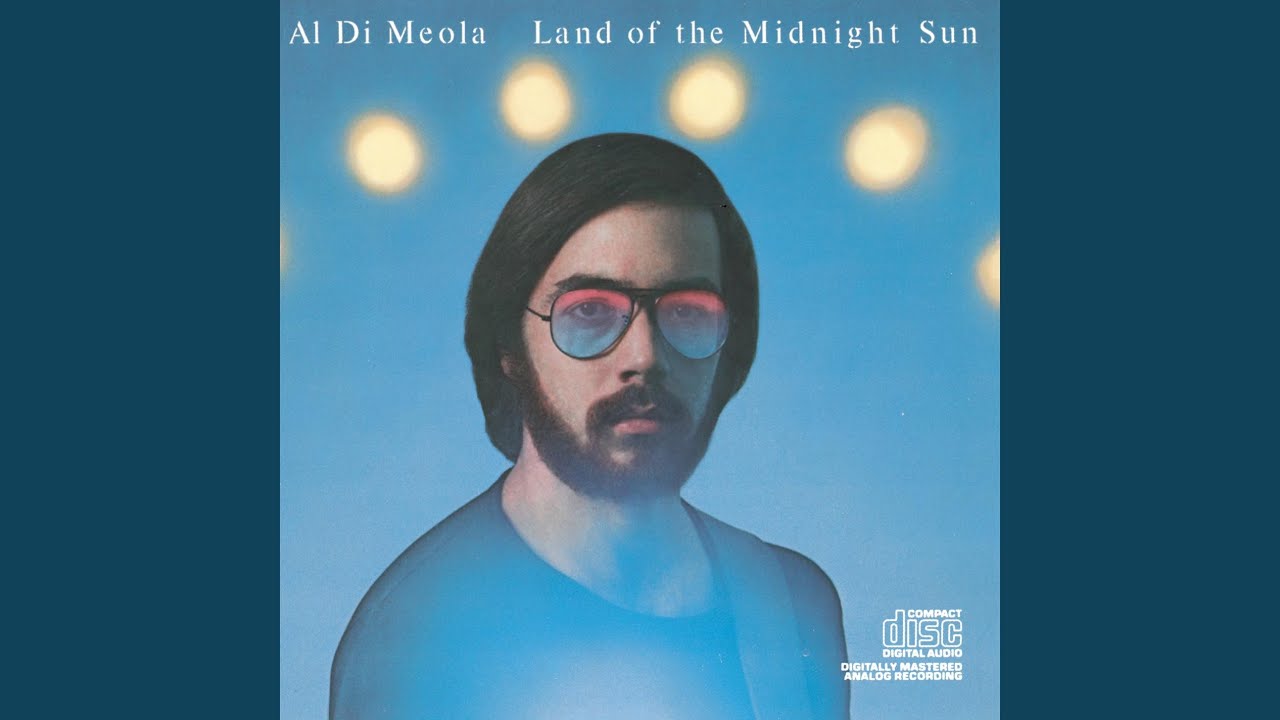
“You couldn’t hear that guy play and not know something unusual was happening. He didn’t think like a traditional bass player. He heard melody, harmony, and rhythm all at the same time. He could hold down the entire bottom of the music and then suddenly become another lead voice.
“That was Jaco. He had unbelievable confidence, thinking, ‘I’m the best bass player that ever lived.’ It sounds incredibly arrogant – except he could back it up. And the funny part was, nobody really argued with him.”
STEVE GADD
“You didn't need to spend a month teaching Steve Gadd a drum part. You showed him the music. Steve got it.
“There’s a reason everybody wanted him. I used Steve on Land Of The Midnight Sun, then on Elegant Gypsy, Casino, Splendido Hotel, Electric Rendezvous, Tour de Force. I was using musicians who could walk into a studio, look at very difficult music, understand it, and play it.
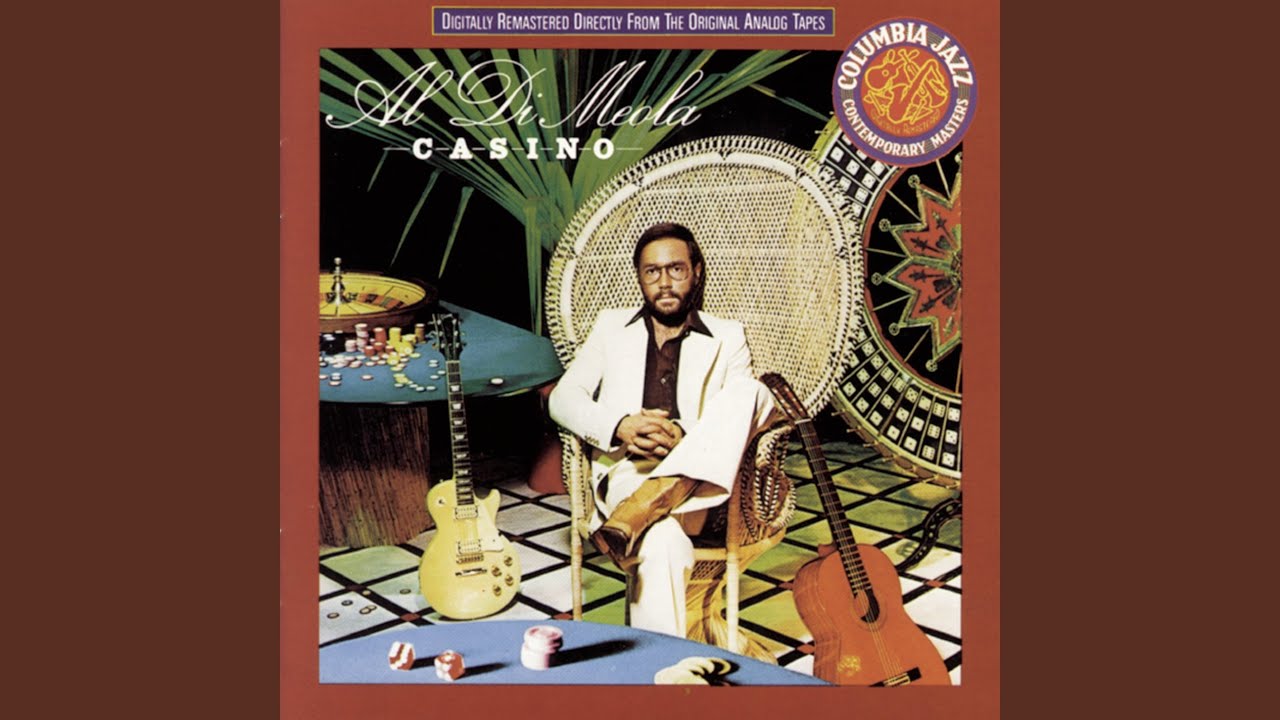
“When Steve plays a groove, you don’t have to think about where the time is. It’s there. And Steve could read anything. That’s something people don’t always understand when they hear those records.
“Steve is just unbelievable. You can give Steve something extremely complex, and he doesn't make it sound complex. That’s the genius. His time is so deep that everybody else can sit inside of it.”
PACO DE LUCÍA
“Paco was like a brother. I miss him. I still miss him.
“What Paco did took tremendous courage because flamenco was a very closed world at that time. There were people who didn’t want him playing with jazz musicians. They didn’t want him moving outside of the tradition.
“But Paco was curious. He wanted to grow. He respected where he came from, but he wasn’t going to let tradition put him in a box.

“Rhythmically, he was frightening. And he couldn’t read music. Think about that. We had some very complicated arrangements, and Paco learned everything by ear. His memory was unbelievable.
“People know the serious Paco with the guitar and that incredible intensity. But there was another side of him. There was a sweetness to Paco. We spent so much time together. I loved him.”
JAN HAMMER
“Jan is one of my favourite keyboard players – a monster. People who know Jan mainly from Miami Vice may not understand what kind of player he was. Jan could make the synthesizer function almost like another lead guitar. There was aggression in his phrasing. Attack.
“So, when Jan and I traded things, it wasn't guitar with a keyboard behind it. It was two strong voices coming at each other.
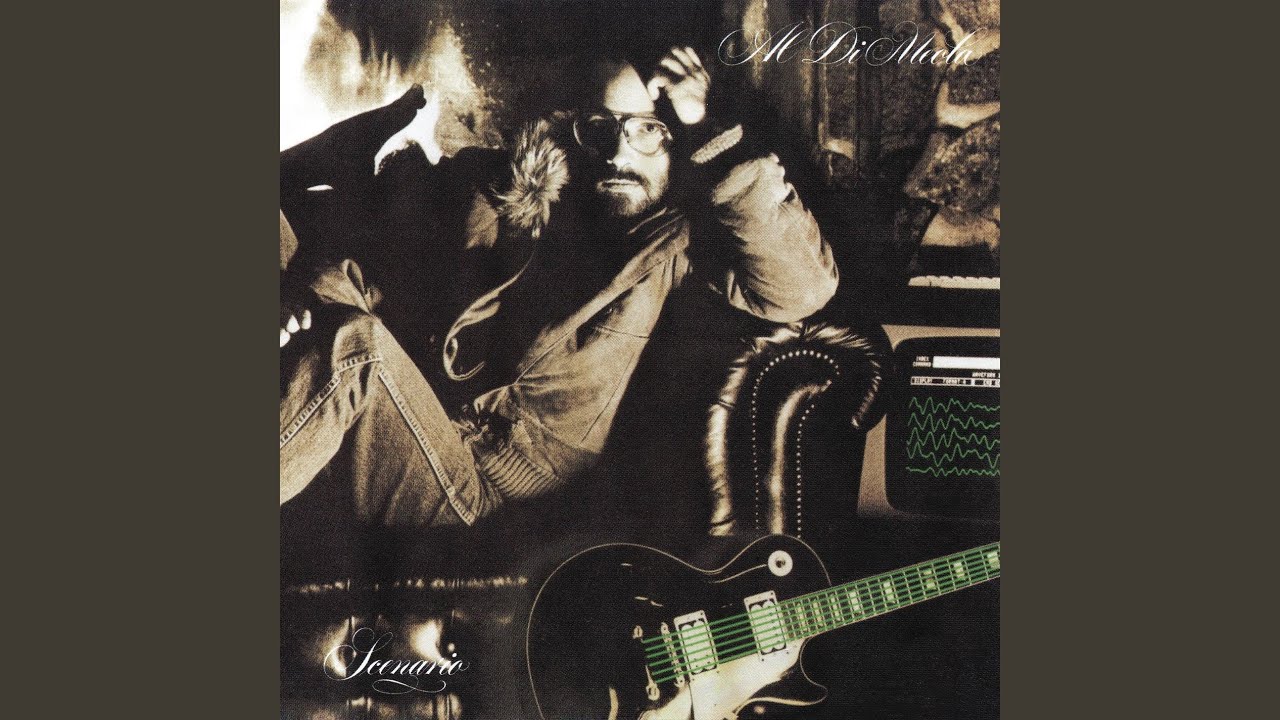
“He played on Elegant Gypsy, and later we worked together on Scenario, when I was getting very interested in sequencing, synthesizers and all this new technology that was coming in. We were experimenting. That’s what you're supposed to do.”
JOHN McLAUGHLIN
“I knew John’s playing long before I knew John. Miles. Bitches Brew. Tony Williams. Then Mahavishnu. I saw Mahavishnu when I was still basically a kid, and it blew my mind. Nobody had heard anything like that.
“The energy. The odd meters. The level of musicianship. It was almost frightening. Then, years later, I’m sitting next to John, playing acoustic guitar with him. John is competitive. So am I. Paco was too. And I think that was good for the trio.
“There was this healthy competition where you'd go onstage, and somebody would do something, and you'd think, ‘Okay, I heard that. Now watch this!’ Not in a nasty way. It elevated everybody. And the audience got the benefit of it.”
CHICK COREA
“Chick changed my life. There’s really no other way to say it. I was 19 years old. I was at Berklee [College of Music] and Chick heard a tape of me playing with Barry Miles. Then I got the call. Return To Forever. Suddenly I’m with Chick Corea, Stanley Clarke and Lenny White. These were my heroes. And I’m 19. It was insane.
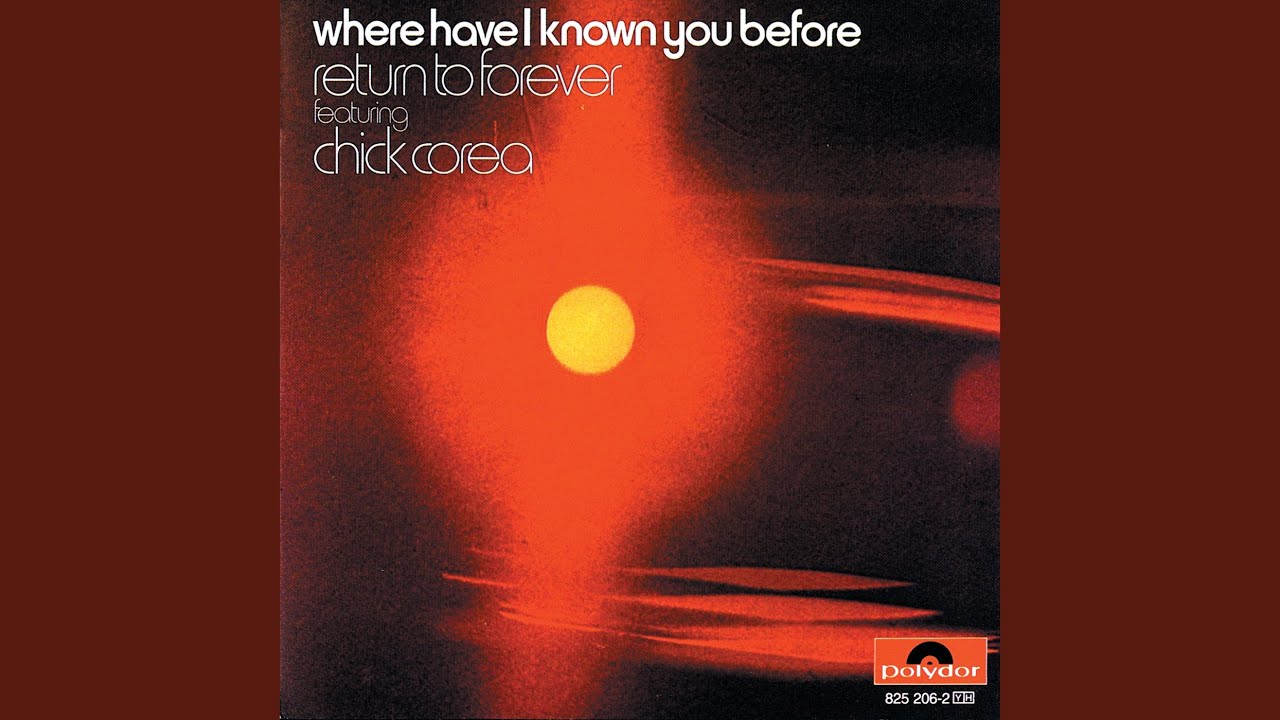
“Chick taught me an enormous amount without ever sitting me down and saying, ‘Okay, Al, today I’m going to teach you this.’ You learned by being around him.
“His time. The syncopation. His writing. His discipline. And his attitude toward music. Chick could write music that was incredibly sophisticated and still have joy in it. That’s hard.
“He had a massive influence on me as a composer. I wouldn’t have had the career I had without Chick. Period.”
PHIL COLLINS
“Phil was on Scenario. That was 1983, and I was fascinated by what was happening with technology – sequencing, synthesizers, drum machines, the Fairlight. All these things that were completely new. That record had Jan Hammer, Tony Levin, Bill Bruford and Phil Collins.
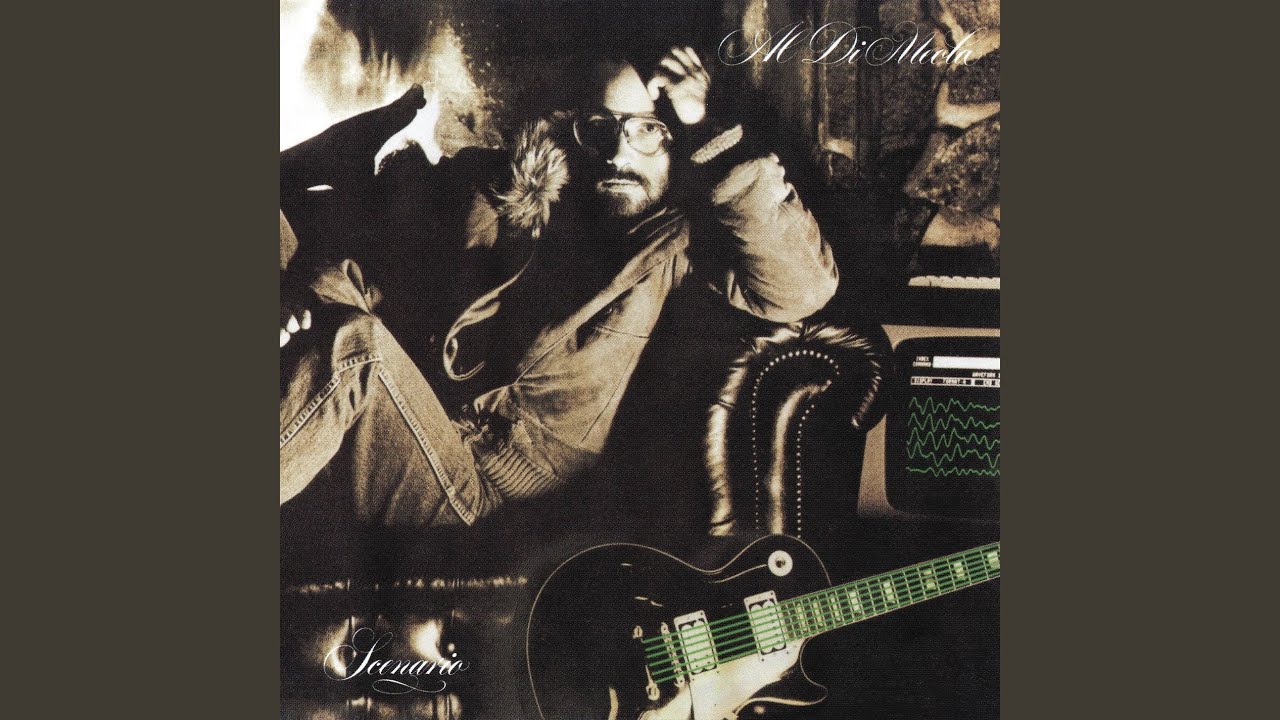
“Think about those personalities. You don’t call Phil Collins because you need somebody to hit a snare drum. You call Phil because you want Phil Collins. He had a sound. He had a feel. You knew it immediately. That’s what I always wanted from musicians on my records.”
