


Gavin Harrison is one of the world’s most acclaimed drummers. He’s also a member of not one but three great progressive rock bands – Porcupine Tree, King Crimson and The Pineapple Thief.
The new album by The Pineapple Thief, titled Far And Wide, is Harrison’s seventh with the band. And as he tells MusicRadar, he’s immensely proud of what he and his bandmates have achieved.
Harrison says of his creative partnership with the band’s leader, guitarist/vocalist Bruce Soord: “When I started to write with Bruce for this record we were in a good space, just me and him. My girlfriend was away, the house was empty, and me and Bruce just spent the first five days, day and night just bouncing ideas off each other, playing little bits, writing little bits, slowly starting to paint on the blank canvas and decide, ‘Yeah, this is nice, we should go here.’”
In his long career, Harrison has steadfastly drawn respect and admiration from the global drumming community and progressive music circles for his consummate technical ability, melodic and innovating rhythms – including head-turning reverse tom fills – and ability to launch endless musical ideas for those bands lucky enough to have him in their employ.
On the Far And Wide album, his muscular pocket grooves, surprising tom fills and cymbal crash flurries perfectly convey a sense of urgency and angst in the album’s key tracks.
Originating from those early writing sessions at Harrison’s home in North London are a number of plaintive songs that punch hard and call out societal woes. Honourable mention to Steve Kitch, synthesizers, whose instrumental ideas resulted in four additional songs for the album. Meanwhile, Jon Sykes’ bass parts provide a solid underpinning that locks tightly with Harrison’s rhythmic pulse.
Technically, The Pineapple Thief wanted to bring their live sound into the recording studio, thus minimising overdubs. Interestingly, this is also their first album without acoustic guitars. Harrison adopted this leaner approach when arranging the album so the songs would be road ready for the band’s upcoming tour.
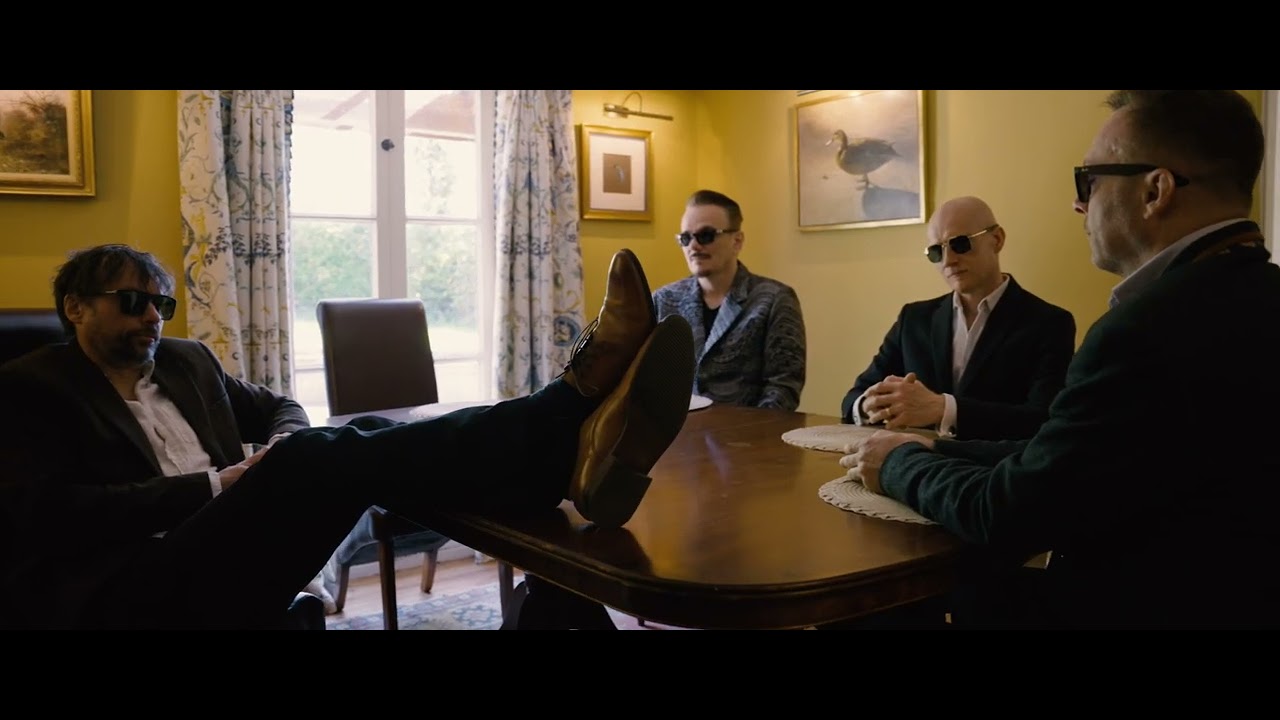
The album’s opening song, New World Order, sets the stage of a dystopian world in chaos. Harrison’s beat displacement adds to the tension of the track. God Knows has a Nine Inch Nails feel with fuzzy octave pedal bass lines and overdriven vocals, while Still Living brings a collective redemptive calm through Kitch’s dreamy keyboard pads, Soord’s soaring guitar solo and Harrison’s relaxed 6/8 groove.
On an existential note, the song Hold The Ashes stares mortality straight in the face. The track draws inspiration from Soord’s personal journey of losing a parent in hospice care.
Despite the bleak, melancholic themes on Far And Wide, there is also a stoicism – an affirmation of human resilience and the will to rise above adversity. The album’s cover art subtly illustrates this concept through a solid granite sculpture whose beauty emerges from the rock’s blank canvas. Artist Michael Schoenholtz is credited for the sculpture and is also father of Harrison’s partner, Hannah.
Harrison explains the group’s approach to this album:
“Well, we’re always trying to not repeat ourselves,” he says. “Sometimes we start something and say, ‘Oh, this sounds a lot like something we’ve done, so let's abandon it.’ But even the ideas that we initially think don’t work will stay on the hard drive, and later on they can be incorporated into another song.
“There was a song called Oh, So Typical, and I really liked it, but we just couldn’t develop it. But it had such a nice hook in it, and that’s included in the song No Exceptions. When we were writing No Exceptions we reached a point where we thought, ‘It would be nice if it did something different here.’ And I said, ‘Bruce, that song we wrote a while ago, Oh So Typical, I think it could work if we slide that into this section.’”
He continues: “Sometimes there’s bits – they might be in a different tempo, they might be in a different key – but you can tell from the mood of it that it could fit really nicely into this other song. So sometimes a song is made up of two or three other songs. Or at least three, two or three ideas that we’ve had that we liked.
“But it’s not a patchwork quilt thing. We don’t think, ‘Let’s take all these little bits and stitch them together and hope it makes a song.’ But in post production, editing or arranging, we sometimes say, ‘Yeah, we really like where this is going, but it needs something else.’”
In the grand tradition of progressive rock, The Pineapple Thief are no strangers to unusual time signatures, as illustrated in the new song Through The Noise.
Harrison explains: “Quite often, I’ll play a piano line for Bruce, and it will be quirky in an odd time signature. In the middle of Through The Noise I had this little pattern that I wanted to play on the piano, and I said, ‘This could be an interesting riff.’ It turned out in 21/8. Not that it sounds like it's in 21/8, or sounds like it’s clever. It’s just the way the notes ran, the way the groupings of notes ran.
“As I wrote it, I didn’t know what the time signature was. I just followed the melody of the notes. And then on the way down, on the patterns at the end of the melody, I said, ‘Yeah, it needs to resolve here. So how many is that?’ I played it a few times and we recorded it.
“But it’s not done to be clever – it’s done because we like the sequence of notes in the rhythm that they’re in, and none of us are going to sit there counting to 21. We just learn the the riff, we learn the hook. And even when we play it live, we’ll just be singing the riff to ourselves. It’s not like some math kind of thing that we figure out. ‘Oh, how many notes could we fit together and make a crazy time signature?’”
He stresses: “I've never been interested in just doing stuff to sound clever. I think the hard and the most interesting part is to do things that sound musical and meaningful. And because we’ve been recording and playing together for ten years, and we’ve done a hell of a lot of gigs, we can actually imagine what this would be like on stage, how the lights might be, and how this could be a dramatic section where the drums stop. And then you’re just playing this thing on the guitar. So we do start imagining how this is gonna be when we perform it.
“Years ago we would write and record things and then worry about live performance later. But now, at the moment of composition, and especially when arranging the song, you think, ‘Oh yeah, this could be twice as long, and we could really build it, and then the lights will come up, and it will do all these things’. That’s quite helpful from an inspirational point of view.”
He refers to the noisiest track on the album, God Knows.
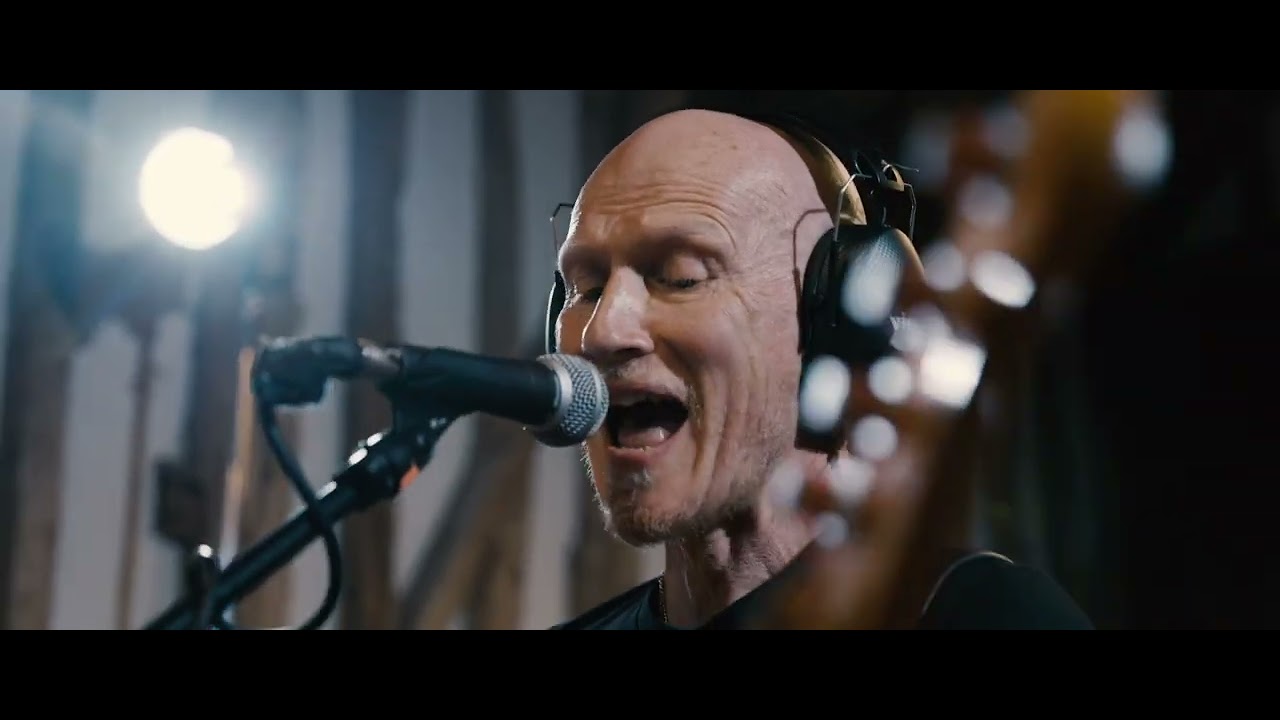
“Bruce was singing this pattern over the top at the end and I said, ‘You know what, Bruce? I don’t think you should sing over this end. I could imagine you walking away from the microphone, going to the front of the stage and totally rocking out with this riff, and we’ll all be smashing away. This will be good. And then come back and just sing the last line, and that will be the end of the song.’ And then when we thought about it like that, it kind of made more sense to us.”
Harrison returns to the theme of time signatures when discussing the song Scattering Like Flies.
“There’s always a little bit of rhythmic ambiguity, which I like” he says. "At the start of Scattering Like Flies it sounds like it’s in a different tempo than it really is. It’s actually in 7/8, or 7/4 if you like. Let’s say 7/4, but grouped into groups of three 16th notes. So you get a different pulse, except at the end of the bar, where we resolve it into the next bar. So there’s about eight or nine groupings of three, and then a grouping of two, or a grouping of four, or something, that resolves it back to the one.
“I played it to someone when we were writing it, and I said, ‘Where do you think the beat is?’ And they fell for the rhythmic illusion of that. I said, ‘OK, when I put the drums on, I’m gonna put a bass drum on beat one of a bar of 7/4, and I’ll play the snare drum as if I’m following you in the dotted eighth or three 16th notes pattern. And then the second verse, I’ll drop a bass drum every two beats and the listener will start to think, ‘Oh, hang on, something’s a bit different here.’ Then on the third verse, I’ll play all seven notes on the bass drum in a four-on-the-floor kind of way. And that will finally give people the realisation that actually the tempo is here with the bass drum, not with the illusion of the guitar and the vocal line. So those kind of things are done by design, really.”
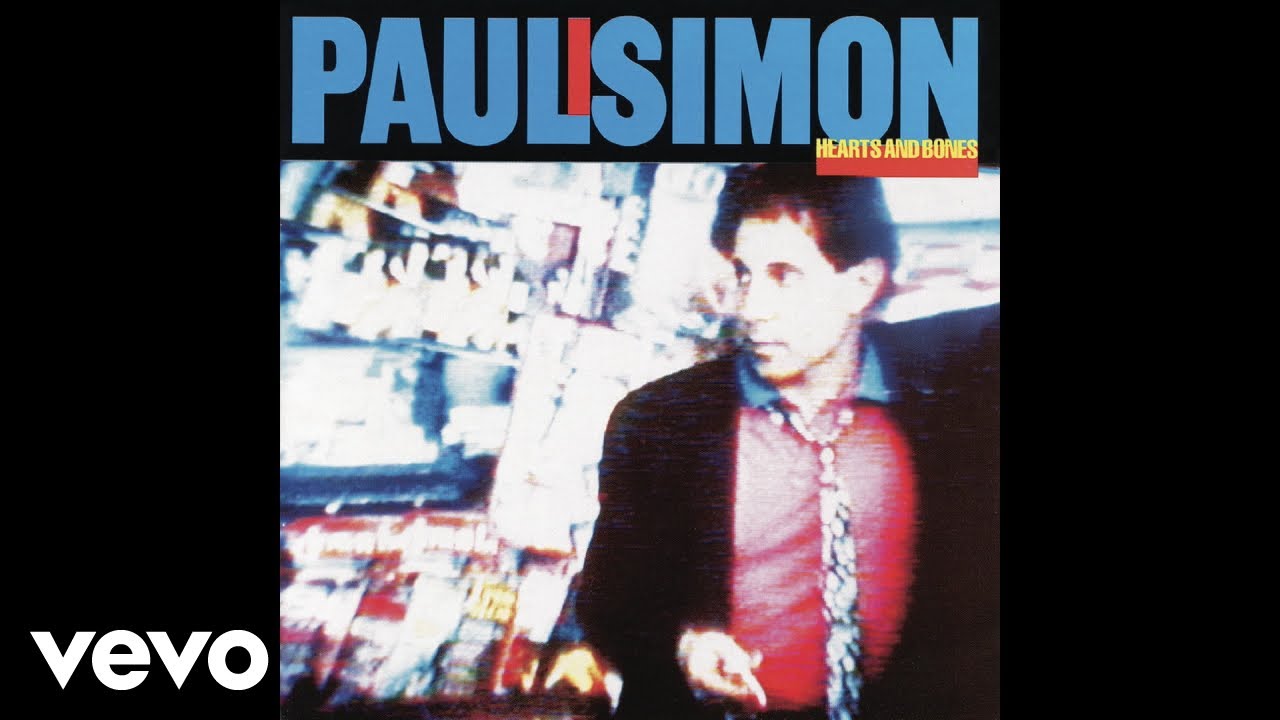
In terms of inspiration, Harrison cites two songs from the ’80s – one by Paul Simon featuring legendary session drummer Steve Gadd, and another by Scottish pop group Danny Wilson, who took their unusual name from the 1952 movie Meet Danny Wilson, in which the titular character was played by Frank Sinatra.
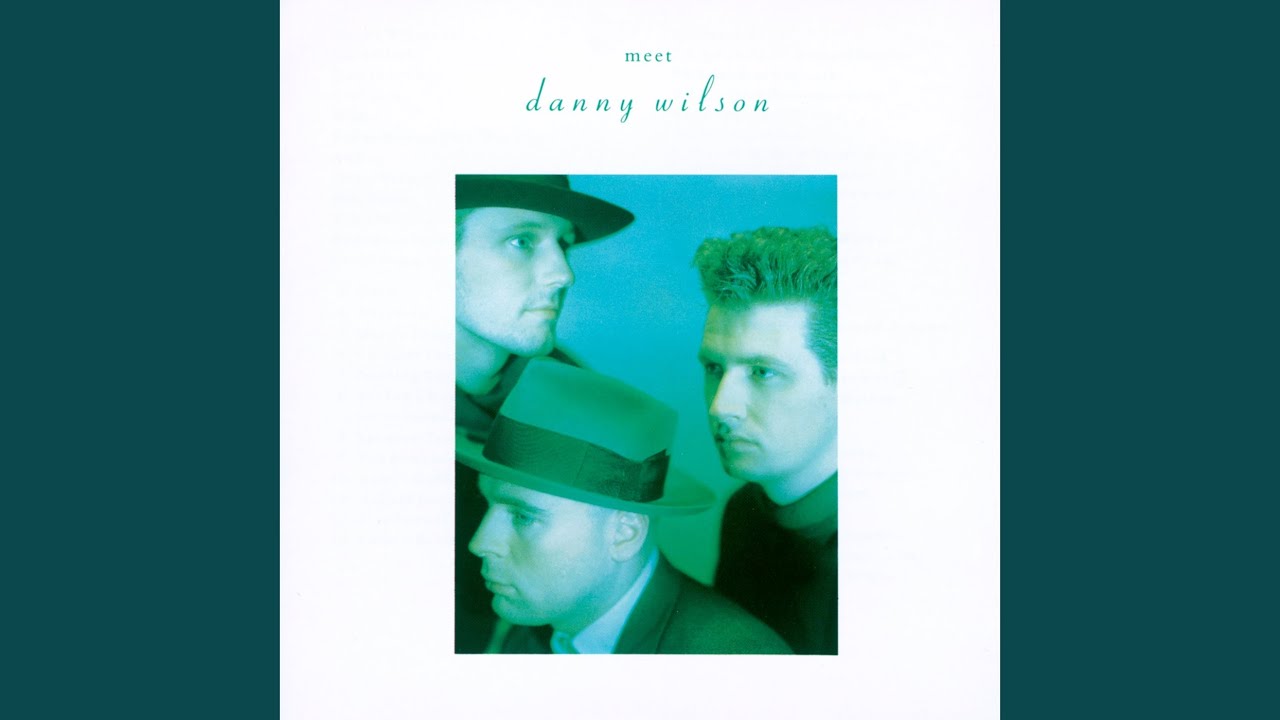
“Sometimes you get inspiration from a song from decades ago,” Harrison says. “You think, ‘I always liked that vibe they did on that song.’ And I was thinking about that Danny Wilson song Five Friendly Aliens, where the drummer plays a kind of snare drum, almost military-esque pattern, with a few accents in it.
“That stuck in my mind, and when we were writing No Exceptions I thought, ‘I wonder if I could do something like that Five Friendly Aliens thing?’ A week after we finished No Exceptions I played the Danny Wilson album and I thought, ’It’s nothing like Five Friendly Aliens!’ But in my mind, the vibe is the same, even though the tempo is different and the pattern is different.”
He adds: “Hearts And Bones is a Paul Simon song, and I really like the way Steve Gadd plays on that song. It’s very, very subtle, but it gives such a nice vibe, and I’ve used that reference as inspiration for songs. What ends up is me trying to recreate that vibe.”
Gear-wise, Harrison used nothing new on this album.
“No, not really,” he shrugs. “I’m comfortable with my instrument. I mean, it’s like the piano to me. I don’t need to have a new piano, or a piano with different notes in a different order. I don’t need to set my drums up backwards to try to play something different. So the limitations are all in my head. If I’m not playing anything new, it’s not because of the equipment, it’s because I'm not thinking of anything new. So you need to get in a good space mentally.”
This was certainly true of Harrison and Bruce Soord this time around.
“Sometimes it goes really well, really fast,” Harrison says. “Sometimes it takes all day and we get nowhere. Sometimes we get somewhere we think it didn’t really click, but let’s keep it because we might come back to it.
“Scattering Like Flies was a song that we actually started writing for the last record, and then we abandoned. And actually there was only one section of it that Bruce really liked, so he basically wrote a whole new song, but kept that one section. It was previously a song we’d abandoned, and, if you heard the original, you would barely recognise it was even the same song.”
He adds: “We’ve done this type of writing collaboration on the previous album. To be in the same room together is actually much better. It focuses your energy, and it’s great to have someone to bounce off immediately.
“We also have very similar tastes, and we know what we both like. So, it’s not long before we recognise something good is happening. We might work for hours and hours and hours on one piece and be really happy with it. So it’s a bit of a random thing.”
To finish, Harrison names two tracks on the album as his personal favourites.
“I like playing Through The Noise,” he smiles. “It goes through a lot of different sections and moods rhythmically. I also like playing Scattering Like Flies. There are a few things happened on that track that I was really happy with.
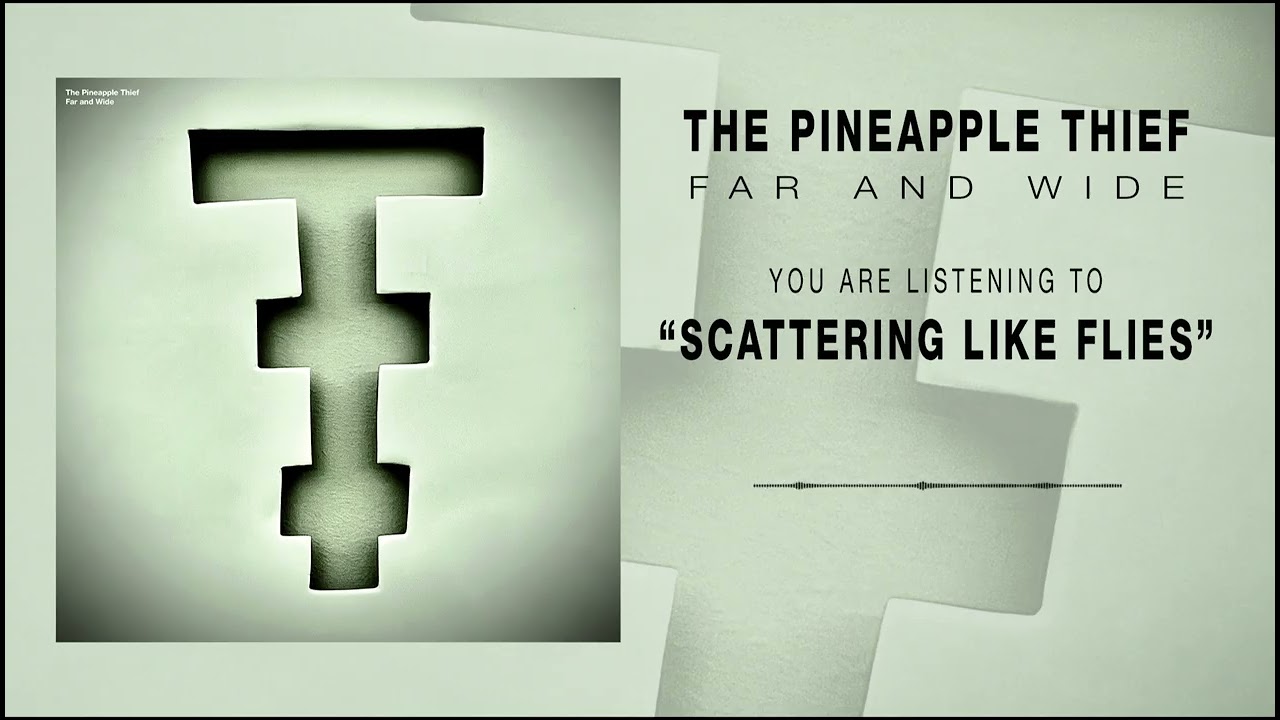
“Bruce took some of my demo drumming and actually wrote a little riff around a couple of fills. So there’s a short fill and a slightly longer fill that happens at the end of every two bars, but the guitar riff plays with it, so the drums kind of become part of the riff. That's good fun!”
He laughs: “We’re gonna start rehearsing next week, so we’ll find out which songs really work and which ones really click together live.”
