
They could feel it in their bones. This album, they knew, was going to be a huge hit.
It was 1986, and Van Halen had just made their first album with Sammy Hagar as their singer in place of original frontman David Lee Roth.
As Hagar recalled: “We would do interviews before people heard the music, and if they would voice doubts we would just laugh. We knew the record was good.”
The album was named 5150, and it was everything the band believed it to be. Not only would it give Van Halen their first US No 1 album, it was also the first of four consecutive No 1 albums.
In an interview with Rock Candy magazine, Sammy Hagar spoke about the creative process for 5150 and recalled how he formed a deep connection and a powerful chemistry with guitarist Eddie Van Halen.
Hagar began by discussing the personal dynamic between Eddie, himself, drummer Alex Van Halen and bassist Michael Anthony.
“We were such a diplomatic band,” Hagar said. “Eddie was the centre of things, the impetus for the songs. Alex was drunk on his ass most of the time, and he’d come out with some wacky ideas and Ed would be like, ‘Sure, Al…’
“Mike never said anything. He just played great bass and was singing great background parts. And I’d want to keep everybody focused, but I didn’t want to be the leader of the band.”
Hagar was solidly established as a successful solo artist before he joined Van Halen, and their collaboration required intense negotiation between the heads of his and the band’s respective record companies – Geffen Records mogul David Geffen and Warner Brothers president Mo Ostin.
“We had already written five of the songs for the album before they came to the deal,” Hagar said. “We were recording when Mo Ostin finally shook hands with David Geffen. And then my manager, Ed Leffler, came in and took over Van Halen, because Pete Angelus [former Van Halen manager] went with Roth.
“Ed Leffler was a strong guy, very smart. He really started calling the shots, and that was the first time that Van Halen ever flexed their muscle with Warners. The band had a terrible record deal before I joined, and we had to suffer through it on 5150. I had a better deal at Geffen. I got a bigger advance, more points, and a full publishing rate. And that was after Van Halen had their biggest hit with Jump.”
Pete Angelus was not the only member of Van Halen’s inner circle who defected with Roth. Ted Templeman had produced all six of Van Halen’s albums to that point, but abandoned them to work on Roth’s 1986 album Eat ’Em And Smile.
Asked if the band viewed Templeman as a traitor, Hagar laughingly replied: “Absolutely! Are you kidding? This was war!”
With Templeman gone, the band opted to co-produce the album with long-serving engineer Donn Landee. But in the final stretch of recording, another co-producer was enlisted – Mick Jones, guitarist and principal songwriter for another hugely successful rock act, Foreigner.
Jones was an old friend of Hagar’s. They had first met in the early ’70s when Jones was in the band Spooky Tooth and Hagar was the singer in Montrose, a hard rock quartet whose debut album was a key inspiration for the young Van Halen.
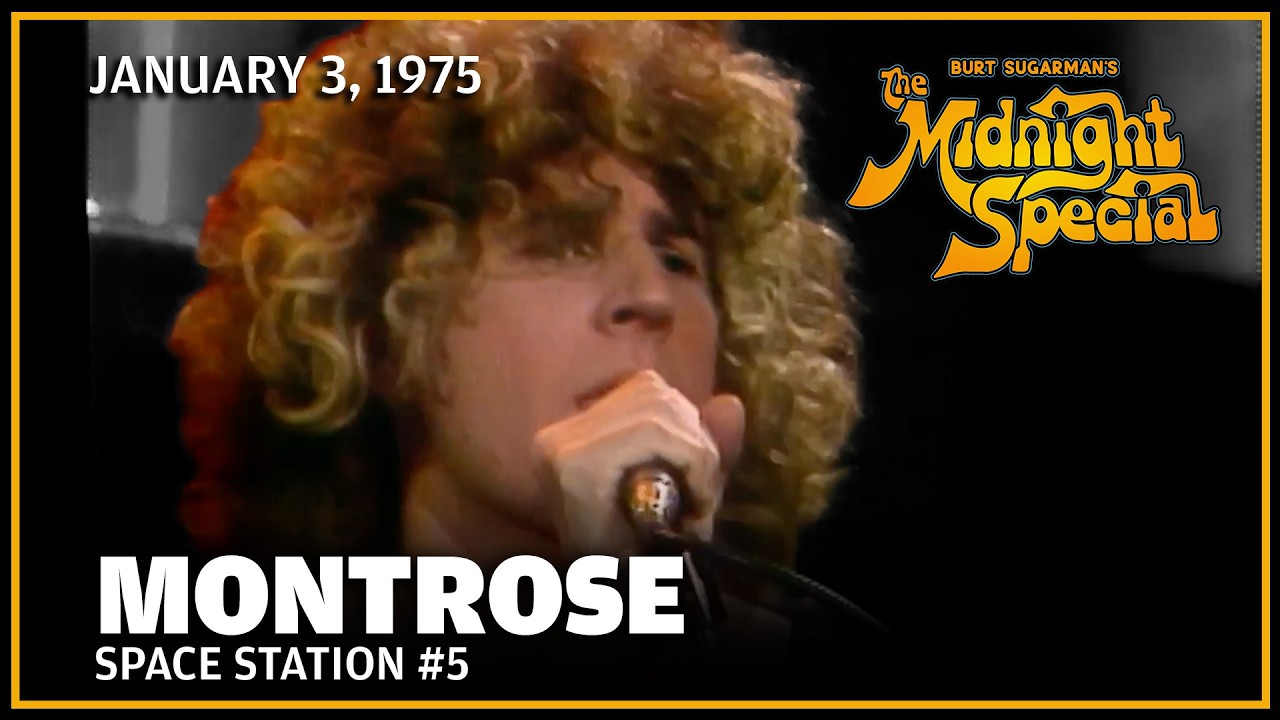
“Mick and I became really good friends back in the Montrose era,” Hagar said. “And I just felt we needed a real producer for Van Halen. We were trying to make a really great record. So I contacted Mick, he happened to be in LA, and said he’d come by. That was a good call.”
Jones had written and produced a string of hits for Foreigner, from rock anthems such as Cold As Ice and Hot Blooded to the ballads Waiting For A Girl Like You and I Want To Know What Love Is. But Hagar insisted that Van Halen didn’t hire Jones simply to get a more radio-friendly sound.
“Nothing was contrived,” he said. “But we knew that Mick could make it sound great. There was only one time where we said, ‘Let’s write a song like this’, and that was the title cut, 5150. It was like, ‘Let’s write a Whole Lotta love kind of thing. Let’s really drive it.’ And when Eddie came up with that riff – fuck yeah!”
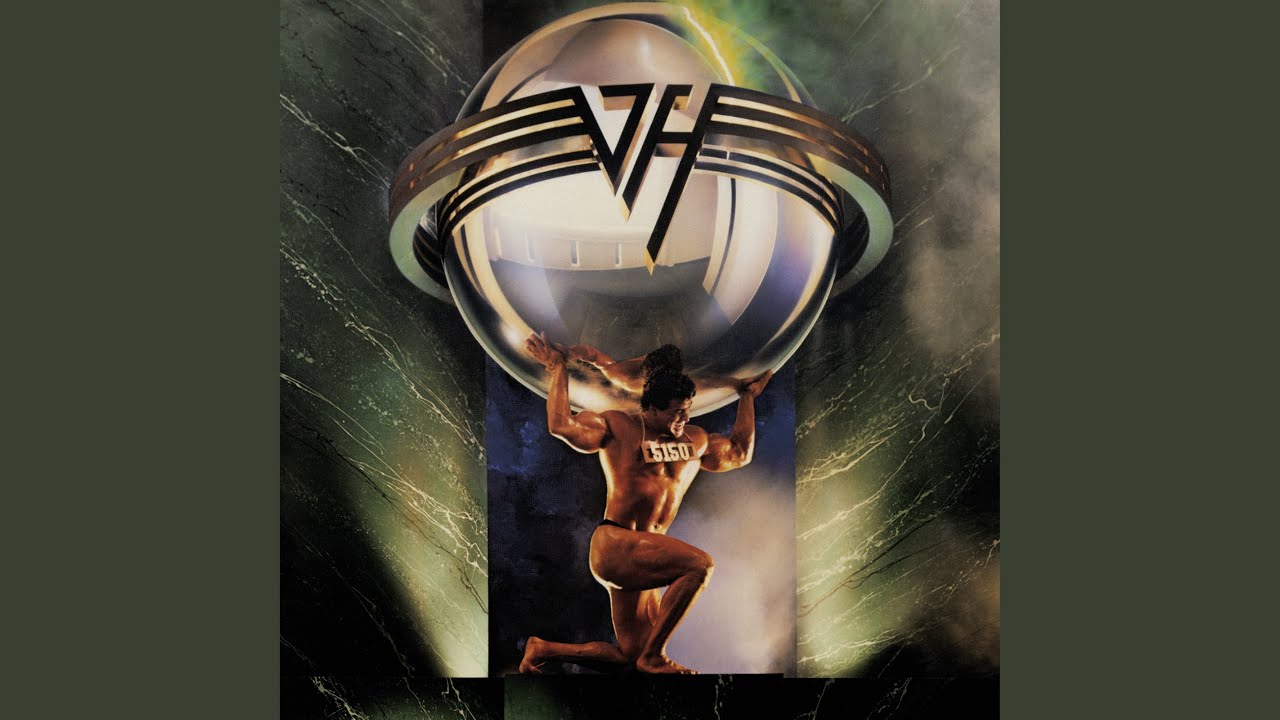
There was plenty of that driving hard rock on the 5150 album – in Best Of Both Worlds, Get Up and the opening track, Good Enough.
“I love Good Enough!” Hagar said. “Eddie had a bass string on this Stratocaster – the highest string on a bass he had as the lowest string on a guitar. So it had this big fat-ass sound, which he used on Good Enough. The first time I heard it I went, ‘What the fuck? That’s a wicked sound!’”
However, the hit singles from this album all had Eddie Van Halen, the guitar hero, focused on keyboards instead.
The lead single, Why Can’t This Be Love, reached No 3 on the Billboard Hot 100.
“That was one that really developed in the studio.” Hagar said. “It was a bunch of ideas, snippets, and I helped construct it into a song. And sure, for me it sounded like a hit.”
Two other keyboard-driven songs, Love Walks In and Dreams, both peaked at No 22 in the US.
Hagar shared his memories of writing Love Walks In with Eddie – just the two of them, in perfect sync.
He told Rock Candy: “I remember Eddie sitting down at the piano late one night and playing me this beautiful thing. I went, ‘Wow, this is really cool.’
“I wrote the lyrics on the spot. I’d just read this book by Ruth Montgomery called Aliens Among Us, about people who sell their soul and someone comes in and takes over their body from another dimension. It’s a weird thing that can happen in the cosmic world when you’re astral travelling, and she was an automatic writer, so that’s how I wrote that song. And we recorded it with just Eddie and I – him putting it down on keyboards and me singing it live.”
This was deep stuff – and new territory for Van Halen.
“Yeah,” Hagar said, “and that was what I brought to the table. Before that it was all rock ’n’ roll, great party songs. They were writing songs – and me too – about sex, but on 5150 they became love songs. And that brought a real female following to Van Halen that they didn’t have before.
“They had groupies, metal chicks, but they didn’t have couples, they didn’t have girls that were wholesome all-American girls. So these songs, Love Walks In, Why Can’t This Be Love, made our audience a little bigger and a little more mainstream.”
The song Dreams was a little like Jump, but again, deeper.
“It was Mick Jones who really pushed for that song,” Hagar said. “We thought we were done with the record, but he kept saying, ‘Come on guys, one more song.’ We had so many great songs already, we thought, 'Fuck you – this record is great!’
“But then Mick came over to my house in Malibu and walked me on the beach and said, ‘Come on, that keyboard riff of Eddie’s is really cool…’ I said, ‘Yeah, it is cool, but fuck, we’re done.’ But he said, ‘Keep listening to it.’ And a few days later, when I came up with this vocal melody, the ‘higher and higher’ part, I got excited and finished the song.
“When we recorded it, Mick said, ‘I’ve never heard you sing in that range before. It’s the highest I’ve ever heard anybody sing!’ And that song became such an inspiring thing – to everyone in the band, to me, to the fans. It’s almost like Van Halen’s first inspirational tune.”
Before the release of 5150 there was some resistance at Warner Brothers about the band continuing as Van Halen. Instead, it was suggested that the band was renamed Van Hagar.
The singer recalled: “At first, before they heard the music, that’s what they said. Van Hagar, really? For two seconds, that was something that someone at Warner Brothers came up with. I don’t remember who it was. We just said, ‘Ah, we don’t care.’ We were so excited about this record. But after maybe one day, we just told them, ‘This is Van Halen.’
5150 was released on 24 March 1986. Three days later, when the band’s US tour began in Shreveport, Louisiana, there were protests from a number of diehard David Lee Roth fans in the audience.
Hagar laughingly recalled: “We had the Roth freaks at the first few shows. We heard that Dave would pay for these guys’ tickets and get ’em to make these banners saying: ‘Fuck Hagar, Where’s Dave?’ Or whatever.
“So one night this banner is thrown on stage, and without looking at it I just grabbed it and held it up. And it says: ‘Sammy Sucks! We Want Roth!’ I cracked up. I made out that it was a big deal, like, ‘Who threw this up here? Hey, show your face, you fuckers!’ But to me it was funny, and the fans that paid to see us, they were happy.
“Maybe a couple of them said we should have played more early stuff. But we never left the stage without getting as many encores as we wanted.”

Van Halen had the last laugh. In America the 5150 album went platinum in one week, the fastest million selling record in Warner Brothers’ history, and on 14 April it hit No 1.
“It was a huge success,” Hagar smiled. “The first number one album for them and for me. That night we had a show in Atlanta, Georgia, and we partied down. Warner Brothers and the critics and the naysayers saw that we made a great record and it went to number one. That makes you feel real good. It was like, ‘We told you!’”
In the first year, David Lee Roth’s album Eat ’Em And Smile sold a million, while 5150 sold five million.
But according to Hagar, outselling Roth was no big deal to Van Halen.
“We really didn’t give a shit!” Hagar said. “I don’t care who it was. You could put any band out on tour – we never said, ‘Oh shit, they’re playing the same town, the same night.’ We’d be laughing: ‘Oh boy, good luck to them!’
“Before, when I was a solo artist and I’d see another guy come along like Billy Squier and he’d have a bigger record and he was on the same label as me, I’d be all pissed off, and I’d wait for him to not sell out a show. With Van Halen, we didn’t give a fuck about anybody. I had a big enough following for any void that slipped out with Roth – that got filled up with Hagar fans, and then some.”
He said of those heady times: “It was crazy. We were making so much money – honestly, they had never made money like that. And from then on we never played without a sold-out house for ten years.
“The fans bought into our trip. We were so lucky to have the success that we had, and we just rode that wave. We rode that fucker… all the way off the cliff! Or maybe all the way to Niagara Falls!”
![Van Halen - Summer Nights (from Live Without A Net) [Official Video] - YouTube](https://img.youtube.com/vi/g9pYywCZrXc/maxresdefault.jpg)
For Sammy Hagar there was no great secret to Van Halen’s success with 5150.
“I think the music is what did it,” he said. “It wouldn’t have happened if we hadn’t have made such a great record. I think the combination of two big artists getting together and making a great record is why it went bigger.”
Like all good things, Hagar’s time with Van Halen eventually came to an end. But as he said with real satisfaction: “The music will always be there, and I feel so proud of that.”
