


Four famous musicians came together in 1981 to create one of the most successful supergroups of all time, Asia. But things might have turned out differently if they’d picked a flamboyant glam rock star as their singer – a crazy idea that could have happened, as drummer Carl Palmer tells MusicRadar.
At the time when Asia formed, Palmer was already a supergroup veteran as one third of progressive rock titans Emerson, Lake & Palmer. Joining him in Asia were three other musicians with impeccable prog rock credentials – bassist/vocalist John Wetton (formerly of King Crimson, Roxy Music and Uriah Heep), guitarist Steve Howe (a founder member of Yes) and keyboard player Geoff Downes (who had performed alongside Howe in Yes as well as starring in new wave pop act the Buggles).
John Wetton was the lead singer for King Crimson on the classic albums Larks’ Tongues In Aspic (1973), Starless And Bible Black (1974) and Red (also 1974). Wetton also sang for another progressive rock supergroup, U.K., which featured drummer Bill Bruford (Yes, King Crimson, Genesis), violinist/keyboardist Eddie Jobson (Curved Air, Roxy Music) and virtuoso guitarist Allan Holdsworth.
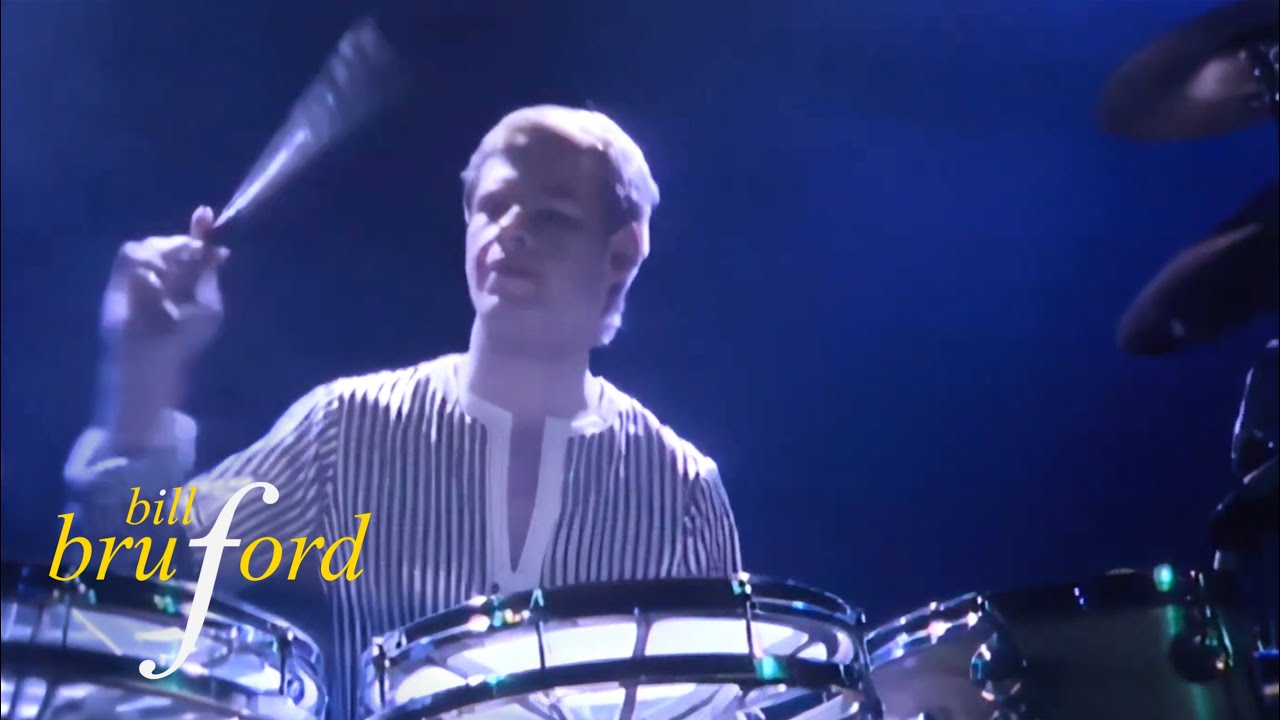
But as Carl Palmer recalls it, in the early stages of putting Asia together there was some debate about whether Wetton should be the singer, and also whether a second guitarist could be added to the line-up.
“We were looking for a lead singer,” Palmer says, “and the first one we tried was Trevor Rabin.”
Rabin, from South Africa, would eventually join Yes as guitarist in place of Steve Howe, and it was Rabin’s song Owner Of A Lonely Heart that gave Yes their biggest hit – a US No 1 in 1983.
Rabin was living in London when Carl Palmer was introduced to him in 1981.
“Trevor had sent me a cassette with some of his stuff,” Palmer says. “So I went round to his house in Edgware. I’m a big Trevor Rabin fan. Good guitar player, good writer, good singer. Everything works. You know, he’s the full deal.
“I remember the cassette because it had kind of a dodgy version of Owner Of A Lonely Heart on it, which didn’t sound like the Owner Of A Lonely Heart that Trevor Horn ended up mixing and producing.”
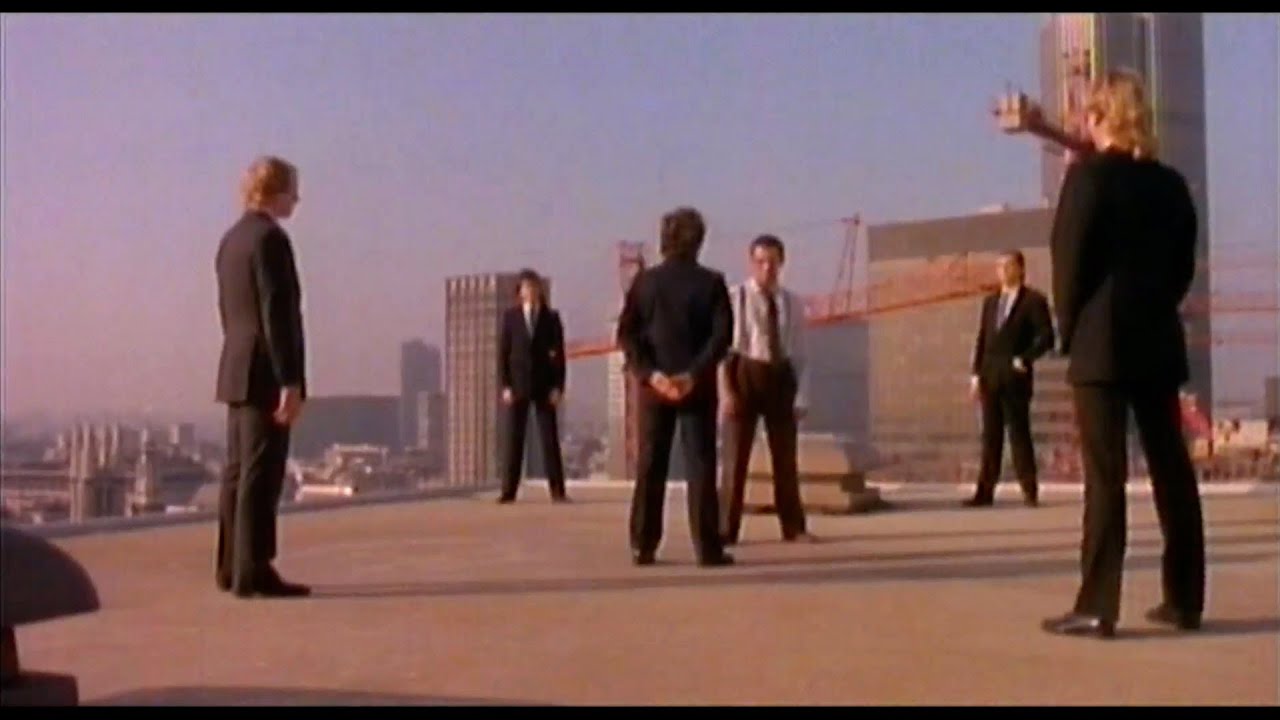
Nevertheless, the other member of Asia felt that Rabin was not the right fit for them.
As Palmer says: “Trevor was pretty good, I have to say. But it didn’t quite work. His voice and John Wetton’s voice didn’t go together so well. And I think there was more friction with Steve Howe at the time, because who was going to be playing lead guitar?
“You know, Steve had that signature lead playing, which is is fantastic. And we could see that it wouldn’t work with another guitarist.”
With Trevor Rabin out of the picture, it was Palmer who suggested that they turn to an old acquaintance of his – Roy Wood.
In the ’60s, Wood had performed with Jeff Lynne in The Move before the pair had formed the Electric Light Orchestra. Wood had subsequently left ELO to lead glam rock band Wizzard, best known for the festive anthem I Wish it Could Be Christmas Every Day and another hit from 1973, See My Baby Jive.
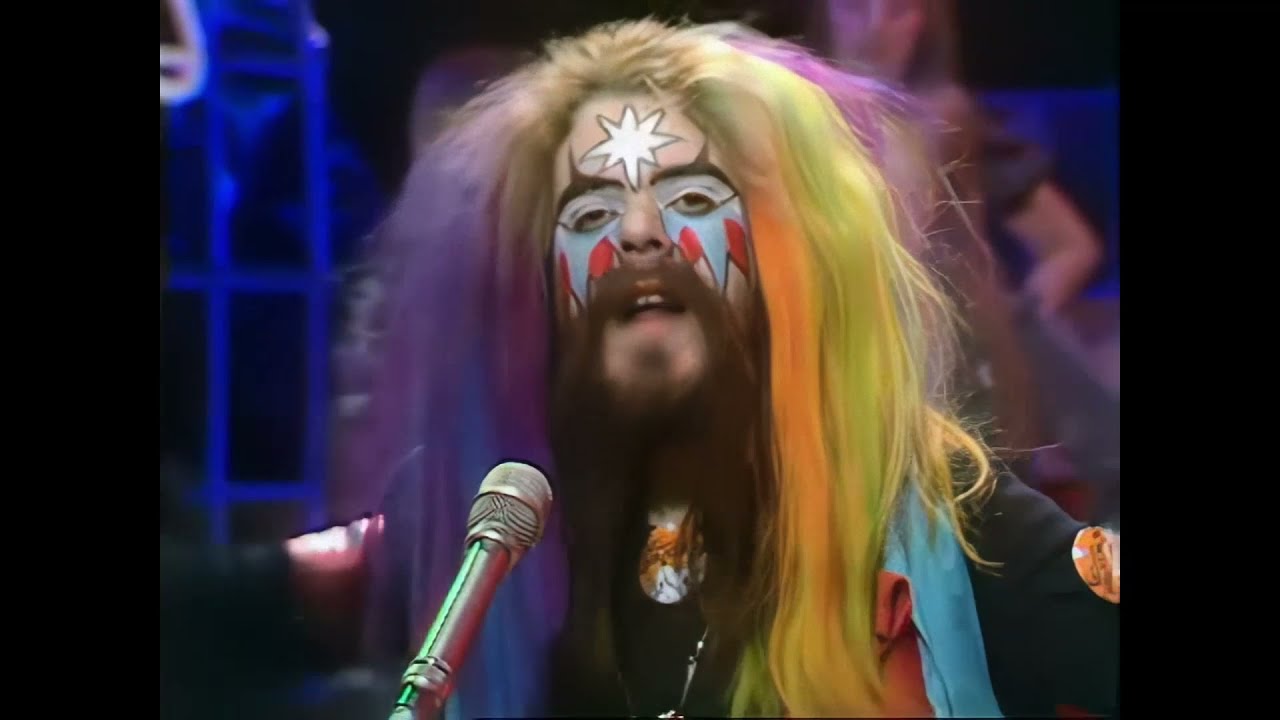
Wood, like Palmer, was born in Birmingham, and Palmer liked the idea of doing a favour to a fellow Brummie.
He recalls his pitch to the other guys in Asia.
“I said, ‘This guy has had 18 top 10 singles. He’s a great writer. So let’s get hold of him and just see what he’s got.’ They said, ‘Are you serious, Carl?’ I said, ‘Well, I’m as serious as I was with Trevor Rabin. We should give it a go.’ John Wetton said, ‘It’s true. He is a damn good writer, isn’t he?’”
Palmer continues: “I got hold of Woody's number, and he came to see us. He had his silver shoes on, and his tights, and his red jacket, and his hair all over the place, and his round glasses. And he kept saying to Steve Howe, ‘Can you play some of that posh guitar?’
“He was great. I remember to this day he had a tune called Aerial Pictures, which is fantastic. But John and I were looking at each other and we said, ‘This is good, but there was something sort of not quite there.’
“It’s weird – here’s a man with a pedigree as long as your arm, an absolute diamond, but the following day, after we sent Woody away, we had a band meeting and we said, ‘He’s good, he’s bloody good, but it’s not right.’”
In truth, the answer had been with them all along.
“John said, ‘I want to ask you all something. Will you give me a shot at being the lead vocalist?’ We said, ‘Why not? Let's see what we can do. And if it’s not right, then you know you’ve got to own up as well and say you’re not comfortable.’ Because we had to get the vocals right.
“Of course, John had taken over from Greg Lake in King Crimson. John had a very radio-friendly voice, very similar to Greg. It wasn’t that blues rock voice. It wasn’t a David Coverdale type thing. It was a good, solid, straightforward voice. So we went with it, and that was it.”
Reflecting on why Roy Wood was rejected, Palmer says now: “His songwriting is masterful. In my whole life I’ve never written a song on my own. So Woody, he’s a force to be reckoned with. And he’s a lovely fella, but he’s also an oddball, which is hard to be around, I would imagine.
“There was nothing wrong with his credentials. It was just that the connection was missing. When you’re a musician, it doesn’t matter how good somebody is. It either works or it doesn’t, and in Woody’s case it didn’t.”
As it turned out, Asia was just fine without Roy Wood or Trevor Rabin.

The group’s self-titled debut album was a huge hit – in the US especially, where it held the No 1 spot on the Billboard 200 for nine weeks and sold in excess of four million copies. The big hit single, Heat Of The Moment, reached No 4 on the Billboard Hot 100. Asia also had the biggest selling album of 1982 in the US.
As Carl Palmer says: “It was one of the absolute highlights of my career.”
