
In 1983, when Australian rock band INXS were on their first US tour, they received a surprise visit from a star of one of the greatest and most influential groups of all time.
Ray Manzarek had been the keyboard player for The Doors and was a hero to Andrew Farriss, the keyboard player for INXS.
What’s more, after performing alongside Jim Morrison during The Doors’ heyday, Manzarek knew a great frontman when he saw one. And he saw some of Morrison’s qualities in the singer of INXS, Michael Hutchence.
Farriss recalls to MusicRadar: “It was so exciting to be on our first tour in the United States, and one of the first shows we played was a live television show in Los Angeles called Rock ’N’ Roll Tonite. The other artists on the bill were Simple Minds and Eric Clapton. Simple Minds, great band, they played and it was awesome. Eric Clapton, of course, was brilliant. We played really well too.
“And when we came off stage and walked to the dressing room, suddenly Ray Manzarek from The Doors was standing right in front of me. In the back of my mind I’m like, ‘Oh fuck, that’s Ray Manzarek!’ But he was really friendly.
“He came into the dressing room and I heard him say to Michael, ‘I watch this show every week and there’s something about you and your band that really made me sit up and pay attention. I don’t think I ever saw another band that was so magnetic to look at. So I got in my car and I drove over here to meet you guys.’”
Manzarek was not the only famous musician impressed by Hutchence’s charisma.
Farriss reveals: “The first time I met Bono he said to me, ‘When I go out on stage I have to put on my sunglasses and and become this persona and do this thing, but your lead singer is just naturally like that.’ I said, ‘Yeah, I know. I get it.’”
He continues: “I think there was something about Michael’s energy and his personality. It’s hard to describe it. He was always a mover and a shaker on stage, a bit like Elvis Presley in that sense. If you watch Elvis performing, he never stands still for one moment. The really great front people of bands are usually very animated, they’re consistently moving.
“The funny thing is, we didn’t really begin to recognise it with Michael until we began to get on television or play bigger gigs. That’s when it got people’s attention, like, ‘Who’s this guy?’ Because Michael was one of those people who was naturally just incredibly magnetic as a personality.”
Farriss also believes that Hutchence was underrated as a lyricist.
“A lot of times, with the lyrics Michael would write, he was pushing people to think a little harder about things we all take for granted,” Farriss says. “I really like a song we wrote together called Who Pays The Price. It’s simply about who pays the price when we all want more in life.
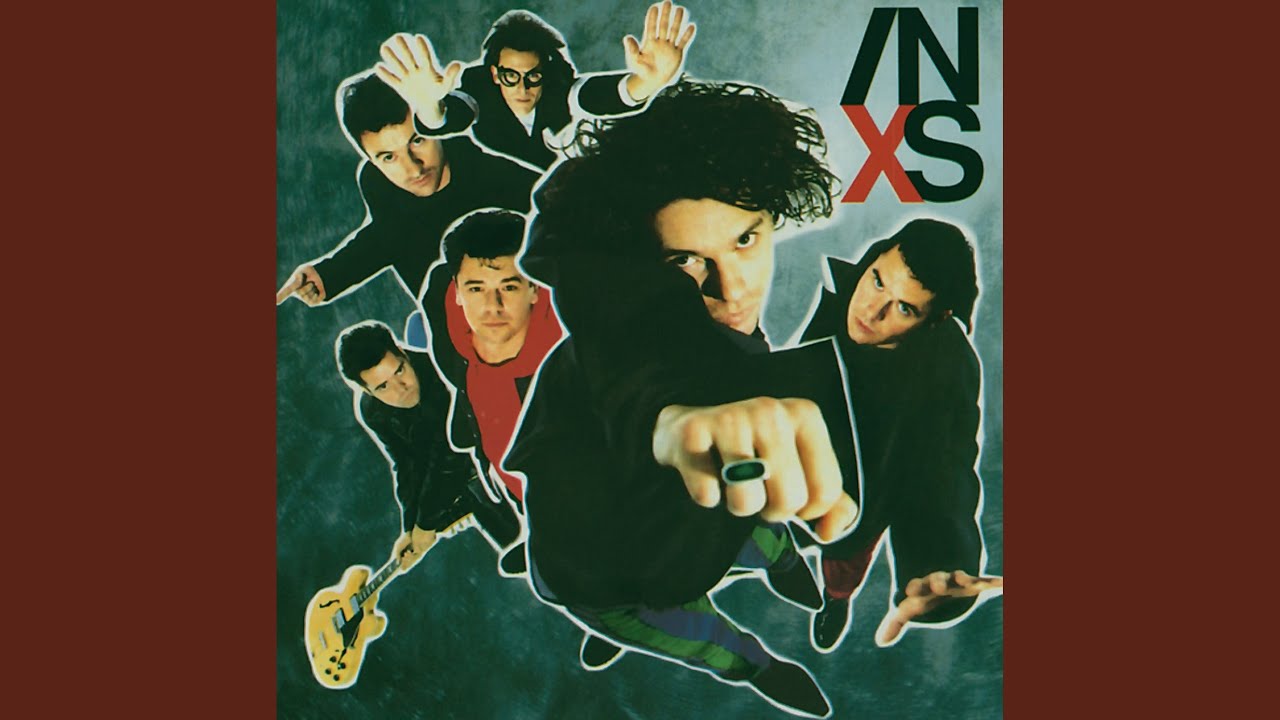
“It’s an interesting lyric, because it can be applied to so many things in life. You might become reasonably successful, but after a while you have to be like Napoleon, where you have to be the king shit all the time, and that's where you lose it, don’t you? That’s the kind of lyric Michael wrote, and I was like, ‘Wow, this is really cool.’”
Farriss remembers the power in Hutchence’s voice. “Michael never played a musical instrument,” he says, “so in that sense his instrument was his vocal performance, which got better and better every time we played live – and we played thousands of shows.”
For Farriss and his bandmates, some of the most memorable shows that INXS ever played were in 1986 when they opened for Queen at London’s Wembley Stadium.
These shows were part of Queen’s Magic Tour – band’s last tour with singer Freddie Mercury.
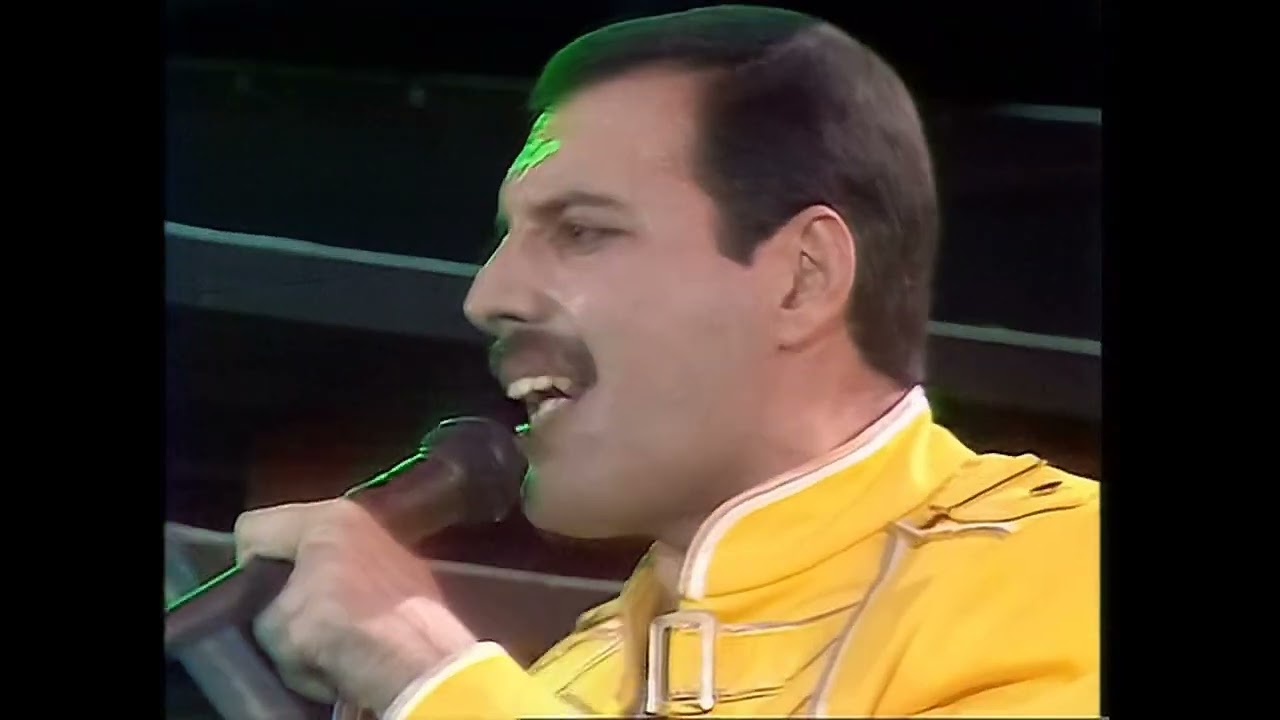
At Wembley Stadium, INXS were first on stage before The Alarm, then Status Quo, and then Queen.
Andrew Farriss recalls: “We’d already played some pretty big gigs as a band by then, mostly in the United States. We’d also played some festivals in Europe before doing the Queen tour.
“First of all, let me say that the members of Queen were really good people. Just because they happened to be one of the world’s greatest bands ever doesn’t mean they’re necessarily going to be great people, but they were, and they were very good to us.
“They were like friends, they encouraged us, and we would eat occasionally with them in a restaurant and I liked the way that they had no airs and graces. A pretty cool bunch of guys, really. So there was a lot of respect from INXS towards Queen, and I think that we had that from them as well.”
He admits, however, that Queen’s fans were somewhat less respectful towards INXS.
“It was such a big deal for us to play with Queen at Wembley Stadium, and people have asked me, ‘What was that like?’ Well, those fans weren’t there to see us. They were like, ‘We don't want to see you, we want Queen.’ And why wouldn't they? They're Queen fans!
“So they would throw things at us, like cigarette lighters, or shoes, or a loaf of bread or whatever. They just threw whatever shit they had on them, you know? Like car keys or something.”
But he adds: “We learnt a lot from that whole experience. Things change when you play at that level.”
From that point, INXS and their charismatic frontman continued to grow in stature. And on 13 July 1991, it was their turn to be the headline act at Wembley Stadium.
“It was a great feeling,” Farriss says now. “We played some really big gigs in those years. We played Texas Stadium in Austin in the United States to 75,000 people. And we played Rock In Rio, where our support bands were Billy Idol and Santana and Joe Cocker. I’m a big fan of all of those guys, and they were all standing side stage watching us play.
“At one point I was playing guitar and I could see Carlos Santana watching me. It was like, ‘No pressure!’”
