
In 1979, British rock band Supertramp were on top of the world. Their album Breakfast In America held the No 1 spot on the Billboard 200 for six weeks, powered by a top 10 single, The Logical Song, that was also a smash hit back home in the UK and all around Europe.
By 1983, however, the wheels had come off, as the follow-up to Breakfast In America flopped and the group’s co-founder Roger Hodgson quit for a solo career.
Hodgson and Rick Davies were the twin engines of Supertramp, both playing keyboards, singing lead and writing the songs. They also had very distinct styles that merged perfectly, and it was Hodgson’s ear for melody, his pop sensibility, that brought Supertramp their biggest hits.
From the 1974 album Crime Of The Century, a progressive rock classic, it was Hodgson’s upbeat song Dreamer that put Supertramp in the UK two 20 for the first time. And in 1977, another Hodgson composition, Give A Little Bit, was the breakthrough hit in the US, Canada and beyond.
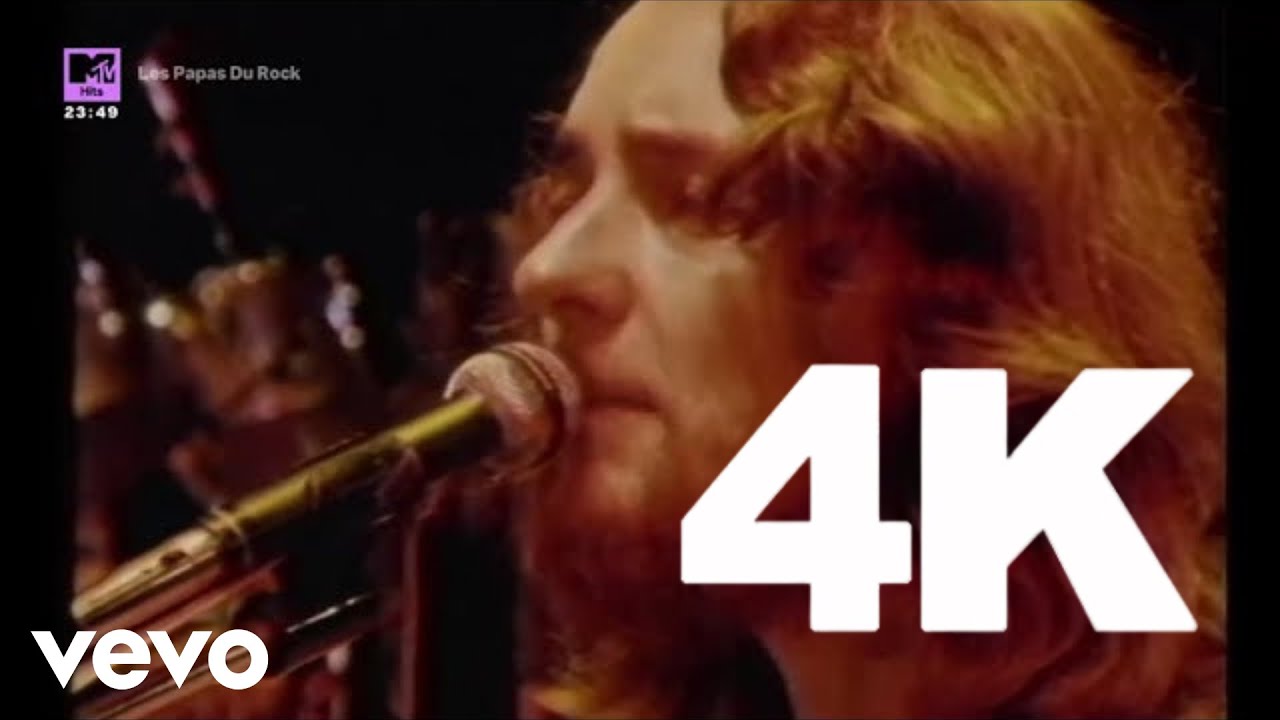
After relocating to California, the band created an album that was made for FM radio. They got everything right on Breakfast In America, but it was a long time in the making.
As Hodgson recalled in an interview with MOJO magazine: “Breakfast In America took eight months to record. I hated the songs by the end of it. Everything was very precisely orchestrated. Some would call it anal.”
He admitted: “The perfectionist in me is a blessing and curse.”
Four hit singles were lifted from the album. Rick Davies wrote Goodbye Stranger. Roger Hodgson wrote the other three – The Logical Song, Take The Long Way Home and the album’s title track.
Hodgson delivered an existentialist message in Take The Long Way Home: “The long way to find out who you truly are,” he said.
The Logical Song had a similar theme. “I went to boarding school for ten years,” Hodgson said. “I wondered who I was at the end of it.”

He explained: “Songwriting, for me, is finding answers to questions I’ve had since day one. The bottom line is: ‘Who the hell am I?’ It’s always been a primary focus for my writing.
“England is top of the list for holding it all in. You’re told to grin and bear it. There’s a noble, courageous side to that, but a lot of dysfunction comes from that. Growth comes from pain. It forces us to evolve.”
There was always a degree of tension between Hodgson and Davies. As the latter described it: “It’s like two people are painting a picture on the same canvas. And somebody wants to put red there and somebody wants to put a blue. You have problems. The picture doesn’t get finished.”
The success of Breakfast In America only added to the pressure building within the band.
“Everything changed towards the end of Breakfast In America tour,” Hodgson said. “The fun had gone, the spirit had gone.”
The following album, Famous Last Words, arrived in 1982, three years after Breakfast In America.
Hodgson told MOJO: “Famous Last Words was a final attempt to see if something could be salvaged, and it couldn’t.”
Inevitably, it was Hodgson who wrote that album’s solitary hit, It’s Raining Again.
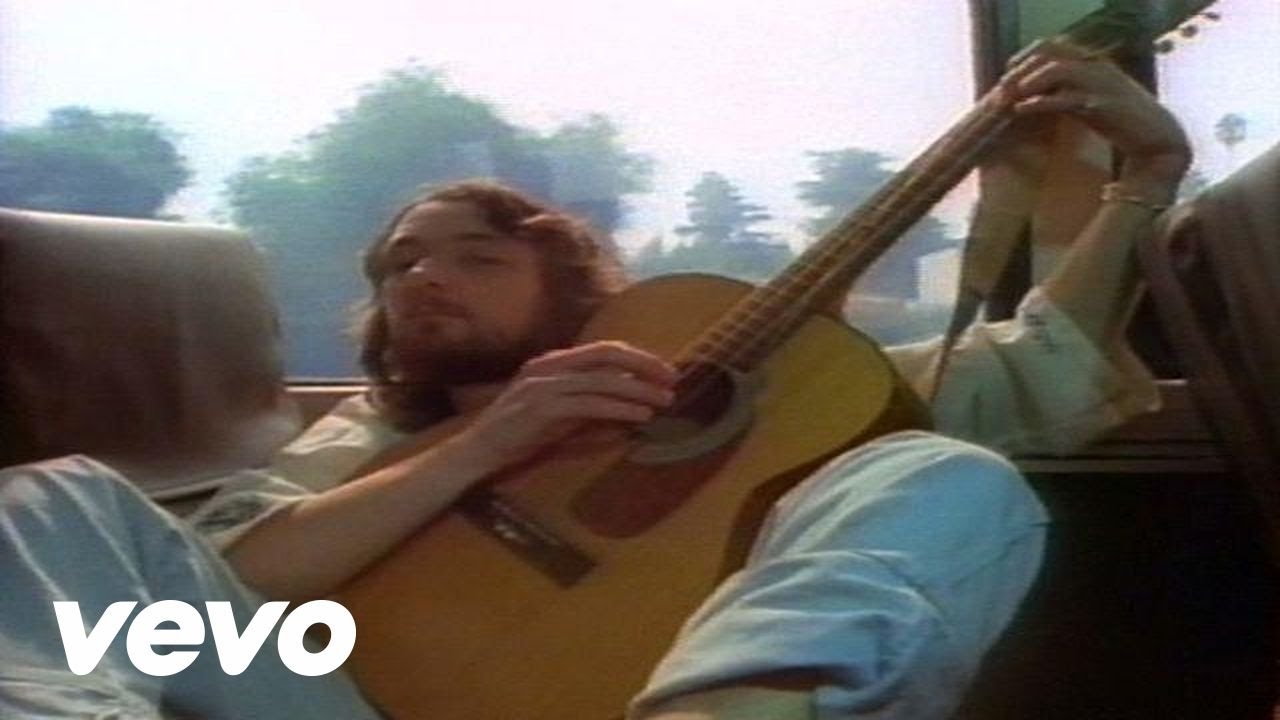
When three more singles all bombed, the relationship between Hodgson and Davies broke down completely.
“There were a lot of conflicts,” Hodgson said. “He wanted to go one way and I wanted to go another. It was all so… illogical.”
Eventually, Hodgson bailed. “It felt like the right course of action for me to take – to leave the band.”
He had prepared his first solo album while still a member of Supertramp, but it was only after the left the band that he re-recorded the album. It was released in 1984, titled In The Eye Of The Storm.
Reflecting on his departure from the band, Hodgson said: “It took a few years to digest what had happened. After Famous Last Words, when I came off the road I built a home studio but I didn’t tour for about 16 years.”
Hodgson never returned to Supertramp, and never reconciled with Rick Davies, who died in 2025.
In addition, Hodgson never regretted his decision to quit the band that he and Davies had led to such heights.
“If I could have turned it around, Supertramp could have been something I believed in again,” he said. “But at that point there was something in my life that was way more important that I did believe in, and that was my family.”
He added: “Music is something that I love, but it’s not my total identity.”
