


The poignant central clarinet melody of Acker Bilk’s 1961 masterpiece Stranger on the Shore retains the power to bring a lump to the throat - and even coax out a tear or two - 64 years after its initial release.
Its eternal allure was first demonstrated when it unexpectedly topped the US chart back in 1962, and stayed within the British charts (where it peaked at #2) for a whopping 55 weeks.
The history books might state that The Beatles were at the vanguard of the British Invasion in 1964, but in actuality, it was the unlikely, bowler-hat and stripey-waistcoat-sporting figure of Acker Bilk who really made the first crater in the transatlantic exchange of musical ordnance.
Not that Acker, a seasoned jazz clarinetist from Somerset in the UK, intended to fire the first shot - or any shot - of course. He was as stunned as anybody at his self-composed clarinet tune's success.
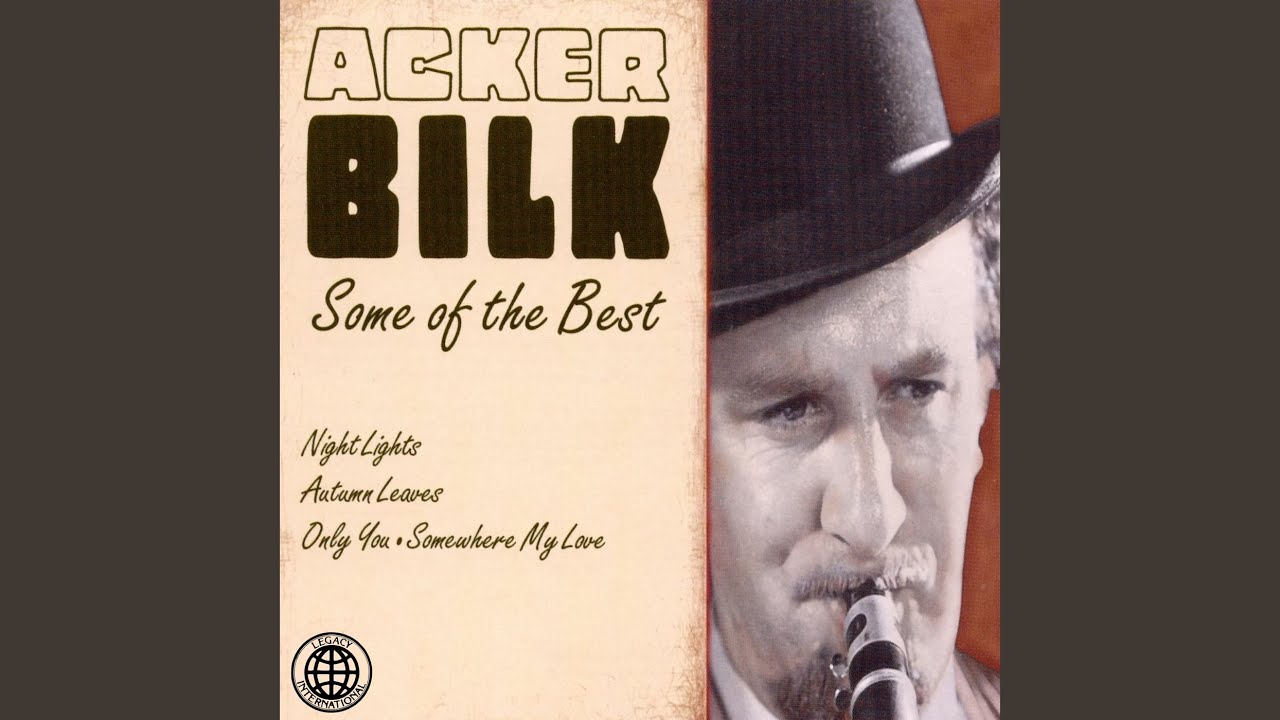
Born in 1929 in Pensford, Somerset, Bernard Stanley Bilk (his stage name ‘Acker’ coming from a local term for ‘mate’) didn’t spend a lot of time around music as a child, instead preferring sport and activities of the rougher kind.
So rough in fact, that the fearless young Acker would lose half a finger as the result of a tobogganing accident, and two front teeth during a school brawl.
A few years later, and Bilk was (like many of his generation) conscripted for military service.
Stationed at the Suez Canal in Egypt, Bilk first set his eyes upon the instrument that he would forever be associated with; the clarinet.
“I was quite late on [to music] actually,” Bilk told Alex Belfield. “I was in the army, doing national service. I finished up in Egypt and there was a little band we formed out there. There was a few guys who liked jazz. We had a trumpet player, trombonist, drummer, piano player. I got hold of a clarinet and off we went. I was 18.”
Falling in love with the free-flowing joy of jazz improvisation as part of his new troupe; ‘The Original Egyptian Stompers’, Bilk spent a few years after demobilisation developing his craft as part of hailed jazzman Ken Coyler’s trad jazz band in 1954, before putting together his own, more colourful, ensemble in 1956.
Initially called the ‘Chew Valley Jazzmen’, the group was later re-christened as the Paramount Jazz Band in 1958. Inspired by a residency in a German beer bar in Düsseldorf, their distinctive uniform of bowler hat and striped waistcoat would become fixed as Bilk’s trademark aesthetic for decades to come.

After their 1960 single Summer Set (a not-too-disguised pun on Acker’s home county of Somerset) managed to peak at number 5 in the British singles charts, the ensemble began to gain wider traction, with a vaunted appearance at the Royal Variety Performance in 1961 stamping firmly that the band’s trad jazz-styled renditions of wartime and popular staples had been approved by the country’s most premiere audience.
Bilk was content with his success, and making a comfortable living from the thing he loved. Soon however, his life would change forever, and he'd become a household name (and how many Ackers can say that?)
This extraordinary turn of events was the result of one of his original pieces - the evocative Stranger on the Shore - catching fire in the public imagination.
The shimmering, clarinet-based gem became a global concern when released in October 1961. Foregrounded by Bilk's descending clarinet melody in F Major, Acker contorted his melodic lines into various meandering shapes before returning home to the central pillar-motif. Performed with his hallmark breathy vibrato.
This mirage-like music soon became wedded to the name Acker Bilk. So much so, in fact that in a 2012 interview, Acker admitted it had started to become tiresome…
"I'm fed up with playing it. It's all right but you do get fed up with it after 50 years."
Originally devised for he and his wife Jean’s infant daughter Jenny, Bilk’s initial composition was akin to a gentle, tender lullaby - a sweet clarinet salve that would soothe her cries.
Decades on, and we caught up with Jenny herself to speak to her directly about her memories of her father, and this most personal of compositions.
Firstly, we asked her at what age she became aware that her father was a well-known figure; “I was aware at quite a young age of people paying dad attention, but not really understanding why,” Jenny tells us.
“I can't recall a specific time when I learned about [Stranger on the Shore]’s original title I'm afraid. Dad wasn't the type of person to ever say too much about what he was doing musically, so he never explained the sentiment behind Stranger. Although, I do believe the only way he could express whatever he was feeling was through his music, so perhaps that theory explains why he wrote Jenny... it's a nice thought.”

With Jenny’s own view of the music being an outlet for her dad's emotions then, the piece takes on a whole new resonance. Music was an outlet for the love that he was perhaps uncomfortable with outwardly displaying in the real world.
Prior to its success, the composition became something of a personal favourite, likely because of this heartfelt meaning.
But not in his wildest dreams did Acker expect it to be warmly embraced by millions of listeners across the globe. That’s exactly what happened when it was selected to be the theme music for a new BBC TV serial, called ‘Stranger on the Shore’. It told the tale of a French au pair living in Brighton, pining for home. Sadly, many of its episodes were later ‘junked’ by the BBC, and are unavailable to watch today.
The piece - which had been retitled to match the name of the programme (much to Bilk’s annoyance, it has been reported) - was recorded with composer Leon Young and his String Chorale at Lansdowne Studios in London. Used to the more free-wheeling spirit of live music, Bilk had a rough understanding of musical notation, and scribbled down an approximation of the lead melody on a scrap of paper.
Leon, once he understood what Acker was communicating, was able to devise a truly stunning string backing for the Stranger on the Shore score, that reacted to - and emphasised - Bilk's twisting melodies.
Young's cinematic, sustained strings worked to intensify the sentiment of Bilk’s clarinet lines. When first heard by the public, in the context of being the theme tune for the television programme, it struck a deep chord.
Pretty soon, the demand for a single release became overwhelming.
Hastily released as a single by EMI Columbia in October 1961, Stranger on the Shore’s wider exposure reeled in even more listeners, beyond those who’d fallen in love with its melancholic allure as it emanated from their television sets on Sunday afternoons.
"That series was such good publicity," Bilk told the BBC in 2009. "They played the tune at the beginning and at the end. It stuck with people, y'know. Off it went, into the night"

The single landed at number #2 in the British charts (although some charts had it as #1), crucially, it proceeded to hang around in the chart’s upper reaches for a record-breaking 55 consecutive weeks. Spilling into the following year, then, this meant that it became the biggest-selling single of 1962.
However, proving its success wasn’t just down to the BBC TV serial, America too fell head over heels for Stranger on the Shore’s pained beauty, and it actually topped the charts over the pond. No small feat, and two years ahead of that quartet of mop-topped scousers it must be said. Not bad going for a bloke from Somerset.
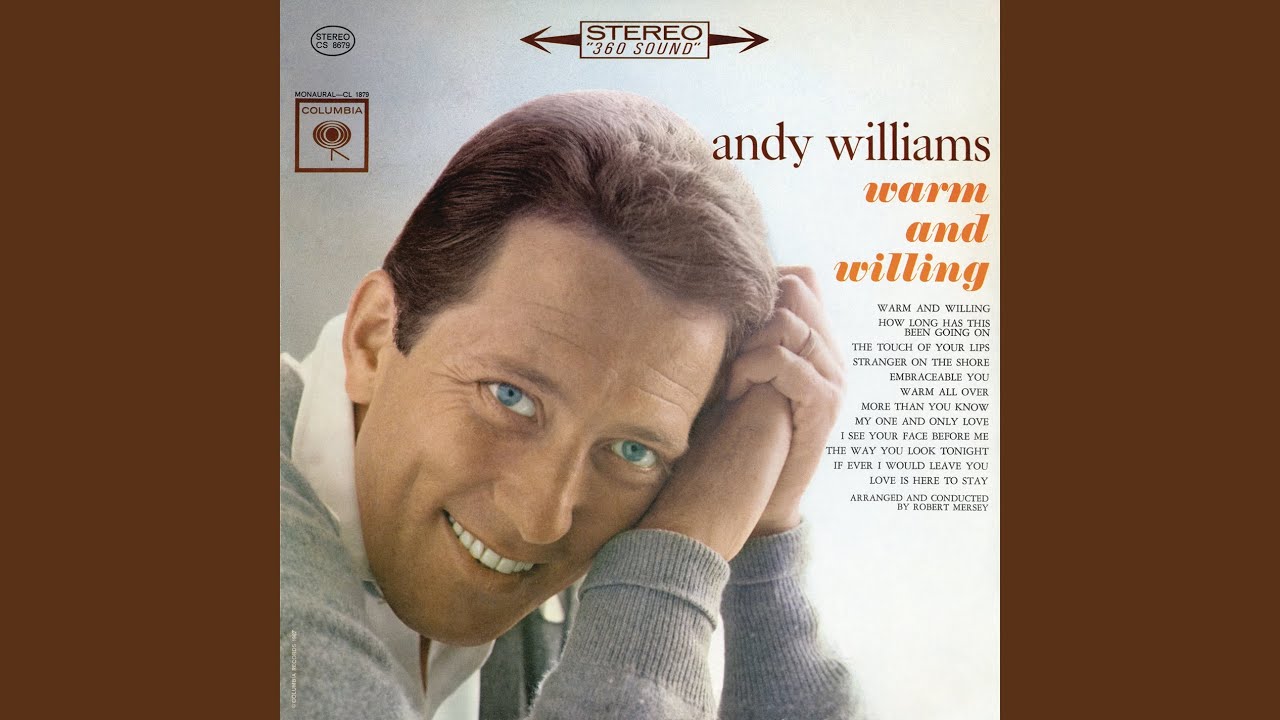
The instrumental even became a song proper, when lyrics were written for Stranger on the Shore by music publisher Robert Mellin, which led others to perform their own take. Most notable was Andy Williams' sublime version in 1962.
Nice though it is, for our money, it’s Bilk’s original lyric-free instrumental which continues to resonate most strongly, bypassing words and going straight for the heart.
Following the success of Stranger on the Shore, Bilk continued to perform relentlessly in a range of styles, and even had another hit in 1976 with Aria. Acker loved the thrill of live music, and was never happier than when he was onstage.
After a music-rich and fulfilled life, Acker Bilk sadly passed away at the age of 85 in 2014.
“He was a very humble and laid back man who never forgot his roots,” Jenny tells us. “He loved the camaraderie with the band members and performing for people, so much so that he's quoted as saying he would have happily performed for free. I'm sure he was of course proud of what he'd achieved, success, awards etc, but first and foremost it was simply about the love and enjoyment he felt playing his clarinet.”
On whether Acker did indeed get bored of Stranger on the Shore - which he also described as being ‘his old age pension’ - over the years, she has her doubts; “I don't think he ever became bored of playing Stranger,” Jenny states. “He could improvise around the tune and play it differently every night he performed. He was also a bit of a joker in interviews!”
And, as a parent, did Bilk live up to the clear fatherly love that motivated the making of his enduring classic?
“He was a great dad, kind and generous, sadly he wasn't around too often due to all the touring, but when he was he was fun,” recalls Jenny of her father. “He would take us tobogganing, walks in the countryside with our dogs and would show us where wild garlic and raspberries grew.”
Jenny’s brother, Peter also has fond memories of their father, and shared with us some of his memories about how Bilk would prioritise his family’s happiness above all else:
“He had a Hammond organ which he would play. [There were] quite a few parties and lots of records and dancing,” remembers Pete. “I would pick up the clarinet and learn bits of his solos. He was a fun person. He would take me fishing and kite flying and my sister and me for long walks telling us about nature. He was knowledgeable about that. [He was] a kind person who would pay for [our] holiday villa, and for the extended family also.”

Decades on, and Stranger on the Shore still fulfils its original creative objective - as a comfort for Jenny.
“It is definitely a timeless piece of music which is still being played to this day,” she tells us. “I always love hearing anything he's ever recorded, whether it's jazz or something with strings. Having the ability to cross over from one to the other with such ease is pretty damn amazing, and I will always be so proud of him and what he achieved.”
We can’t help but ask Peter how he felt about his father’s most famous piece being written for his sister…
“In a jokey way I like to think he may have written one for me. I hope to find the lost sheet music for it one day.”
