In the wake of his death, much has been written this week about Clive Davis’s ability to identify a hit when he heard it, but even legendary talent-spotters get it wrong sometimes.
Such was the case with '70s soft-rock outfit Player, and a 1977 song of theirs that would end up topping the US Billboard Hot 100 chart for three consecutive weeks. Prior to this, Davis had the chance to sign the band and release said song, but he elected to pass.
We’re talking about Baby Come Back, the soulful lead single from Player’s eponymous debut album. Written by guitarist/vocalist Peter Beckett and keyboard player JC Crowley, the band’s founding members, it sounds like the epitome of smooth west coast pop, but the song’s road to the top was actually rather rocky.
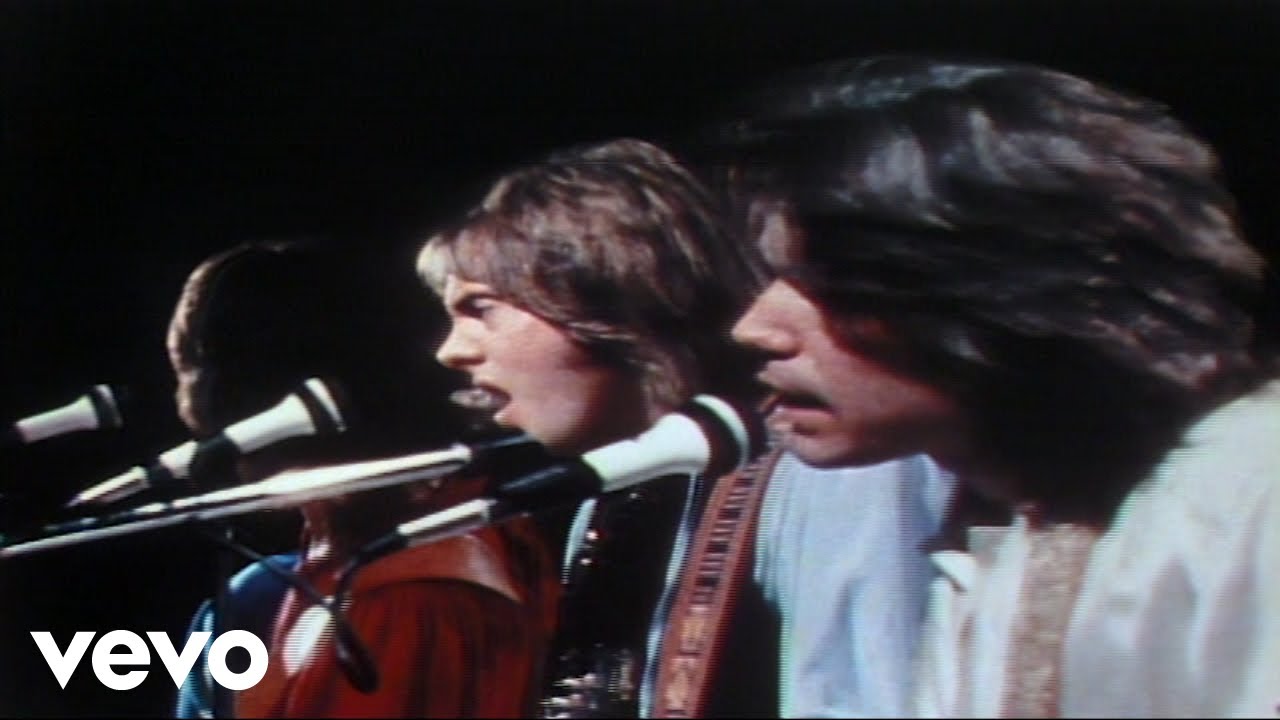
Born in Liverpool, Beckett moved to LA in 1974 to try and make it as an artist and songwriter, but he wasn’t having much luck. With money running out, he was eventually invited up to a party in the Hollywood Hills, where he met and bonded with Crowley.
Speaking to the Rock History Music channel on YouTube, Beckett said: “He was totally different to me – he was a Texan country singer and I was a Liverpool rocker – but we got on great, and so a couple of days later we got together and started writing in his garage. We wrote a handful of songs which we eventually started hawking around the producers in LA without much success.”
That was about to change, though: “One afternoon [Crowley] started plonking around on this chord and we started just writing a verse around it,” says Beckett. “By the end of that day we had the verses basically, with some of the words.”
The seeds of a hit record had been sown: “Second day he came to my place and we worked on it some more,” Beckett recalls. “Overnight I had come up with Baby Come Back, the title. We were looking for something that went [sings Baby Come Back chorus hook melody] because we had the tune, we had the chords and it just came into my head. It’s like a trumpet blast.”
With the verses and chorus sorted, Beckett then had an idea for a bridge.
“I always loved the Righteous Brothers and I said, ‘What if we do a bridge where you sing a line and I do like the Bobby Hatfield part, the high part?’ We just put it in there, and it worked. I think that has a lot to do with why the song was a hit.”
Beckett and Crowley now had to find a way of getting the song released, and they managed to arrange a showcase for a man who definitely had the ability to make that happen.
“We had that song and we went to the Beverly Hilton Hotel – which is Hotel California, by the way – and we're in the ballroom to play to Clive Davis,” says Beckett. “And by then we had the rest of the guys who were gonna become Player, and we were on this stage in the ballroom just sitting on stools, Pignose amp for the bass and just acoustic guitars.
“Clive Davis came in, sat in the front. He's the only guy in there, you know – he's sitting like this with his arms folded, in a suit, you know, ‘impress me’ – and so we started playing and we played a couple of songs and then we thought, ‘We got it now when we do Baby Come Back’. And we did Baby Come Back and he goes ‘Yeah… you guys look good, you sound good, but I don’t hear a hit,’ and so that was the end of our chances with Clive Davis.”
To be fair to Davis, he wasn’t the only one who didn’t hear the song’s potential. Recalling another showcase, Beckett says: “We did about five songs, and then I walked up to the mic. There's about 30 people in there at the back of the room and I just felt something come over me and I said, ‘Now we're gonna do our first number one record. It's called Baby Come Back – hope you like it.”
According to Beckett, even this didn’t do the trick, but the breakthrough did come when he and Crowley were sitting in the offices of some other record company executives. They played a few songs and didn’t get much of a reaction, but then they put on Baby Come Back.
Before that it was like ‘Yeah, nice. You guys look good, nice songs,’ and then when we threw that in the mix it was just like, mouths dropped, silence for a few seconds.
“Everything changed,” says Beckett. “Before that it was like ‘Yeah, nice. You guys look good, nice songs,’ and then when we threw that in the mix it was just like, mouths dropped, silence for a few seconds.”
This opened the door to meeting with Dennis Lambert and Brian Potter, who could eventually produce Baby Come Back. “They said, ‘I think that song’s a hit,’” remembers Beckett.
It was Lambert and Potter who then played the song to another industry heavyweight, RSO records co-founder Al Coury.
“He fell in love with it and the rest is history,” says Beckett.
History may have been slightly different, of course, if Clive Davis hadn’t passed on the record, but the fact that Player could never quite repeat the trick may have made Baby Come Back’s eventual success a slightly less tough pill to swallow.
The song has certainly stood the test of time, though, and continues to pick up new generations of fans thanks to its presence in film and TV and on social media.
In fact, Baby Come Back is just about to get a limited edition reissue as a vinyl single (just 1,000 copies will be pressed) so if you want to hear it just like people did almost 50 years ago, now's your chance.
The single will be available on Fontana Records from 28 August.