


Back in the beginning, before his break-out with Winger and being tapped up to replace George Lynch in Dokken, and long before he got the call to join David Coverdale in Whitesnake, Reb Beach was just another Berklee grad with stars in his eyes.
He was a hot-shot player all right, knew which end was up on the electric guitar. But he needed a gig. He would do what many aspiring musicians would do and hang out, looking for any word of an audition. As luck would have it, something turned up.
“The story is that I was a singing reader in New York City, and I would hang out at music stores, and I heard about an audition for Fiona, on Atlantic Records,” said Beach, speaking to MusicRadar in 2019. “And so I went to Long Island on the train, and walked into the audition, and I was dressed exactly like everyone else in the band.”
These things don’t go unnoticed. It is more common to hear the story that a session player didn’t get the gig because they didn’t look right. Paul Gilbert admitted to us recently that he thinks him not maintaining his “Whitesnake haircut” was a barrier to career progression. But when Reb Beach walked in as Fiona was looking for a guitarist for her 1986 sophomore album, Beyond The Pale, he fit right in.
“I was the only guy who was dressed like that,” he said. “Everyone else had teased up hair, wearing Spandex, the whole deal. So I got the gig.”
He admits he was still naive to the ways of the session circuit. The producer, Beau Hill, had got himself a bargain.
“At the end of me doing that Fiona record, after I did the whole album the producer said, ‘Look, I don’t want to insult you but it’s time to pay you, and how does $500 sound?’ I was like, ‘$500!? Wow!’ I was so excited,” recalled Beach. “He started using me on everything else he did because I was so cheap. I didn’t know any better!”
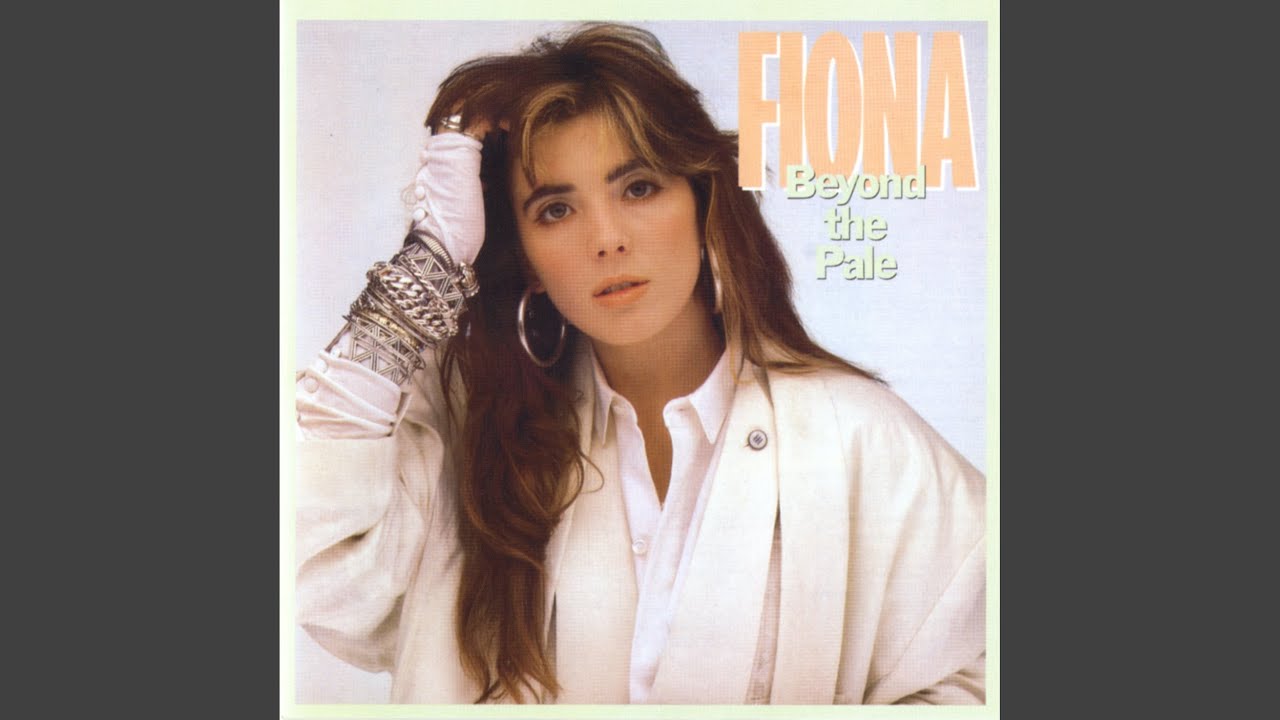
Beach was selling himself short but it paid off in the long run. It got his foot in the door at Atlantic Records, and Hill would pass his contact around.
“He turned me on to other producers. ‘Look, I have this kid. He’s a nice kid and he plays great… And he’ll do it for 500 bucks!’ [Laughs] So I was getting all these sessions,” said Beach. ‘I was the go-to rock guy at Atlantic Records.”
And he wasn’t on the intern wages long.
“Of course, I learned quickly that there was a thing called the union, and I started getting paid what everyone else got paid,” he said.
Howard Jones was up next – 1986 was turning out to be a breakout year for Beach as he joined the likes of Chic’s Nile Rodgers to play on the synth-pop star’s One To One. Then there was Chaka Khan. He played on the R&B/funk icon’s sixth studio album, Destiny, laying down a solo on So Close. Whenever a solo needed doing, it was Beach whom they’d call.
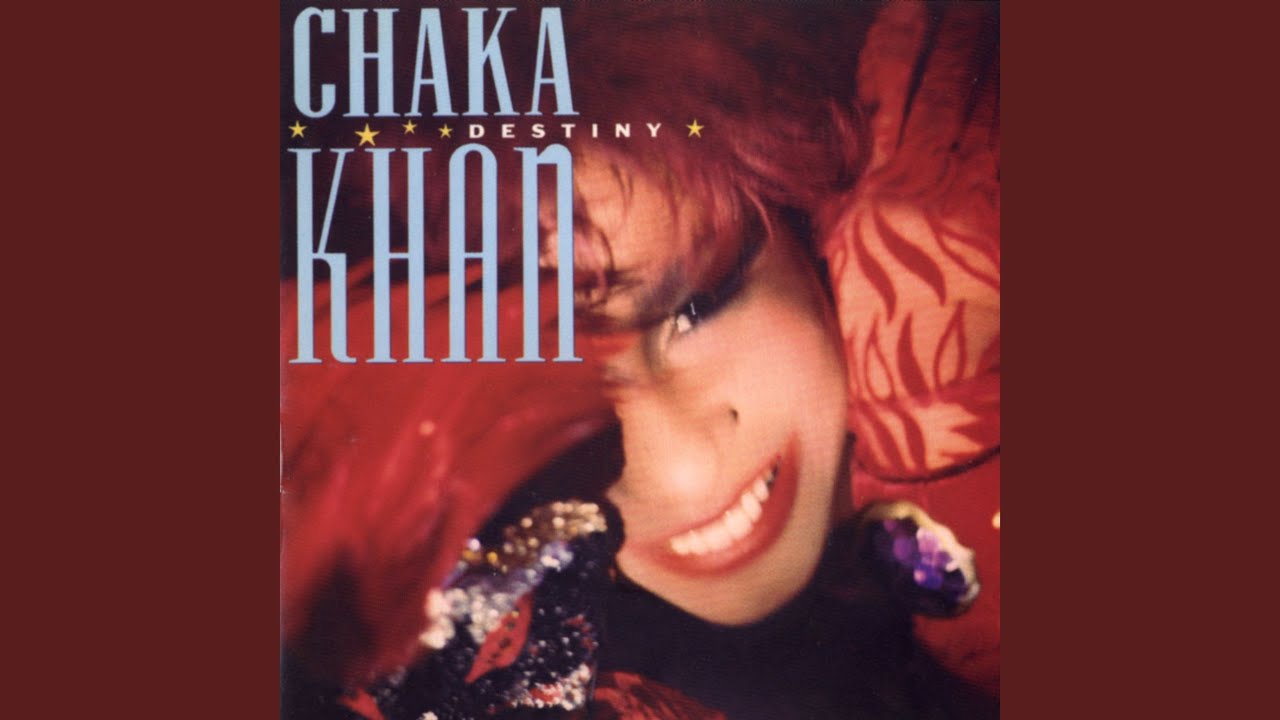
“Doing sessions, I was the rock guy. I didn’t play any different styles of music,” he said. “I would just come in and play a rock solo with Chaka Khan. I’d come in and play… I did a rhythm for Kenny Loggins one time, and they ended up not using it.”
But even if the track didn’t make the cut, it was still an invaluable experience. Beach was rubbing shoulders with some elite musicians. And he might have had the diploma from Berklee on his wall back home, but school was still in session. He was learning all the time.
“I got to cut the tracks live with Marcus Miller, so that was incredible,” said Beach. “He taught me how to play funk. He told me I was doing it all wrong, ‘cos I was doing it all ‘Djinga-djink-ah-djink/Djinga-djink-ah-djink…’ And he was like, ‘No, man! It’s like, ‘Djeenk!’ [Laughs] ‘Just dkeenk! A little bit.’ So that taught me something for sure.”

If you needed a rock solo, Beach was your man. And as it turns out, Arif Mardin, who produced Khan’s Destiny, needed a rock soloist for his next project, the Bee Gees’ long-awaited comeback album, ESP. The Bee Gees needed a change of fortunes.
There were bags of weed everywhere. Those guys just smoked and smoked, and that’s all they did!
They had lost momentum in the ‘80s. The disco era was over. Reuniting with Mardin could change all that. It was Mardin who was credited with discovering Barry Gibbs’ falsetto when producing Nights Of Broadway, from 1975’s Main Course. They duly called Beach. He got a shock when he got there.
“They flew me out to put me up at the Doral, in Miami,” said Beach. “There were bags of weed everywhere. Those guys just smoked and smoked, and that’s all they did! [Laughs]”
Maybe this accounted for their slow start to the decade. Something had to. As Beach recalls it, the brothers Gibb – Barry, Robin and Maurice – were ridiculously talented, and he was going to witness it at first hand.
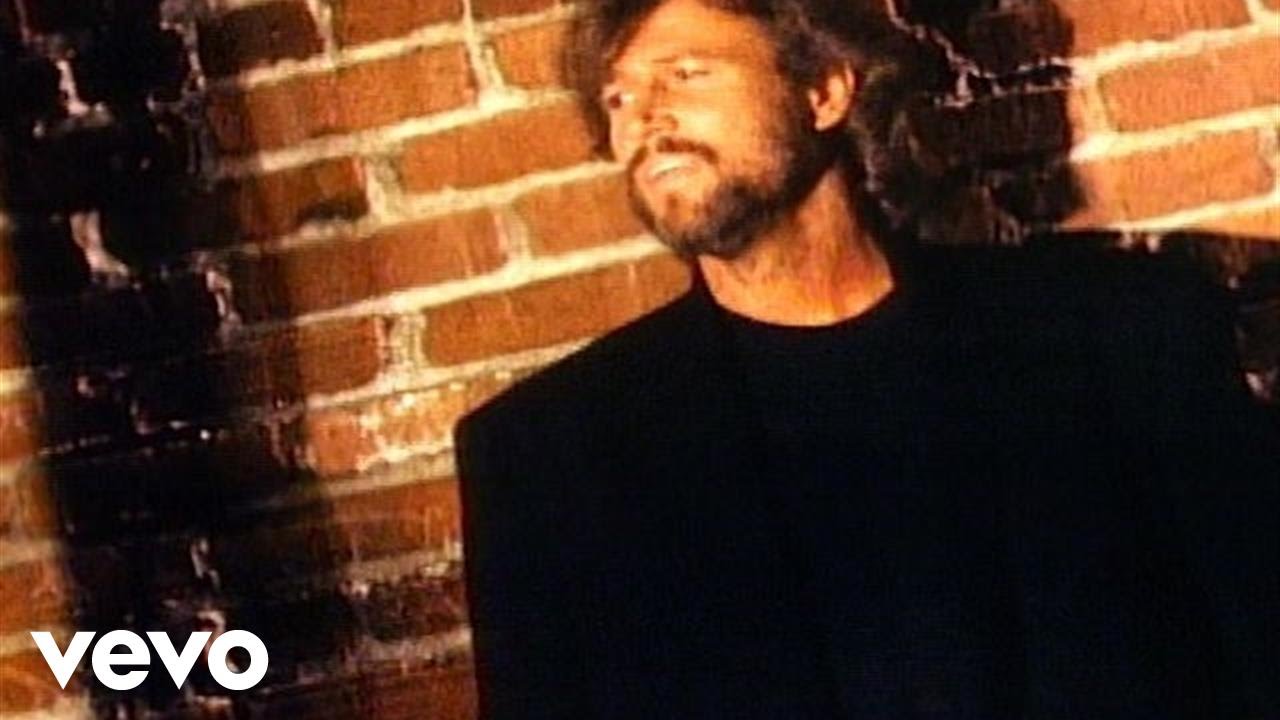
“There was a track I played on that didn’t have a vocal yet, so they all got around in a circle around me, and sang the vocal, what it was going to be,” said Beach. “It was the most incredible thing because they all had perfect pitch, so it was perfectly in tune. There was no track going, they just sang for me a capella...
“It was riveting, all these voices that I’ve heard on the radio for all these years, standing around me, in stereo, and singing perfectly. It was a wonderful, wonderful experience.”
Beach played on the title track and on Overnight. You Win Again was the big hit from the record but Beach can say he was there when a little bit of history was made. He had to have been maybe the first person to have heard the Bee Gees perform ESP.
“I guess so, yeah!” he said. “Well, it wasn’t Saturday Night Fever or anything. I don’t know how well ESP did.”
