


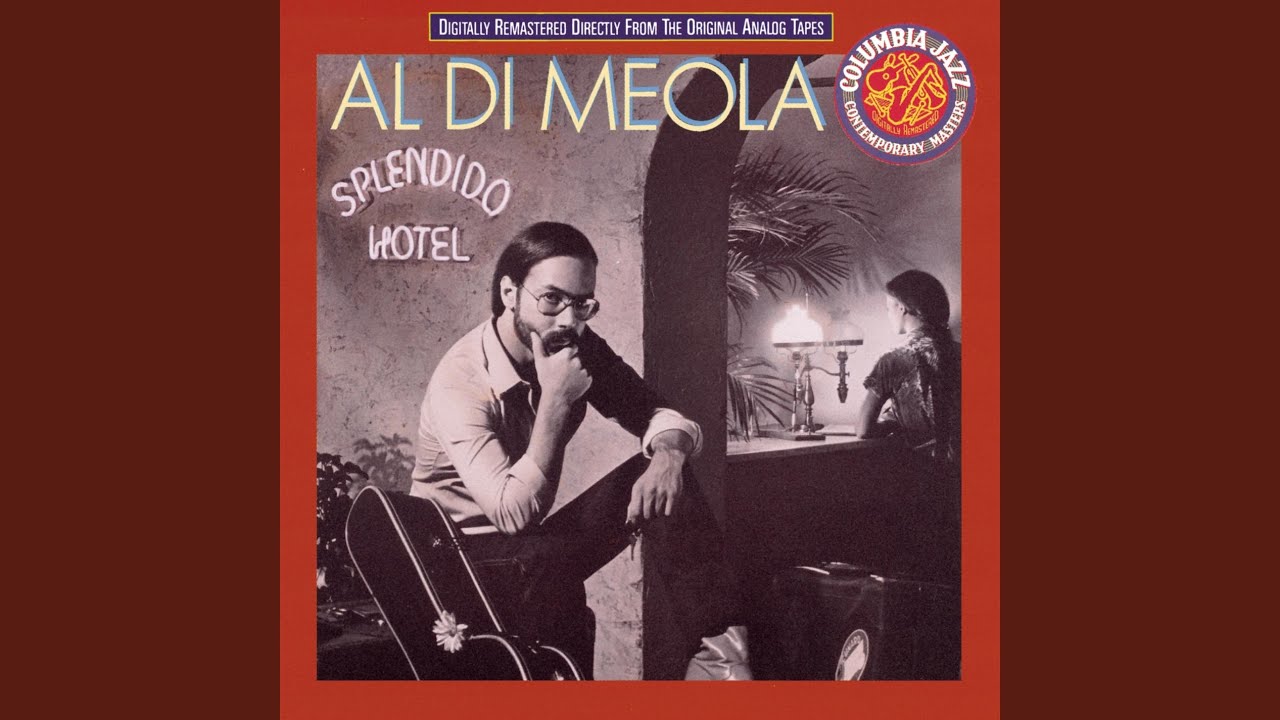
“I’m going to cheat on this one,” Al Di Meola laughs when asked by MusicRadar to name his top five favourite jazz records.
The legendary guitarist explains: “If you're asking me which records really affected me, I can’t give you five jazz albums and pretend The Beatles and The Allman Brothers weren’t just as important to me. They were.”
Di Meola is widely acclaimed as a pioneering and influential figure in the development of jazz fusion. He has played with an array of fellow virtuosos including pianist Chick Corea, bassist Jaco Pastorius and fellow guitarist John McLaughlin.
But as he says now: “I grew up listening to everything. I was never interested in these boundaries between jazz and rock and Latin music and classical music. If something moved me, it moved me. So, these are some of the records that became part of my musical DNA…”
Miles Davis – Bitches Brew (1970)
“That was a door opening for me. I was coming from rock, and suddenly here’s Miles taking jazz into this completely different place. It was dark. Electric. Mysterious. Dangerous. And look at who was on it. John [McLaughlin] was there. Chick [Corea] was there.

“These were people who would later become a huge part of my own life. That record showed me that these worlds didn't have to be separated. You could have the freedom and sophistication of jazz and the energy of rock.”
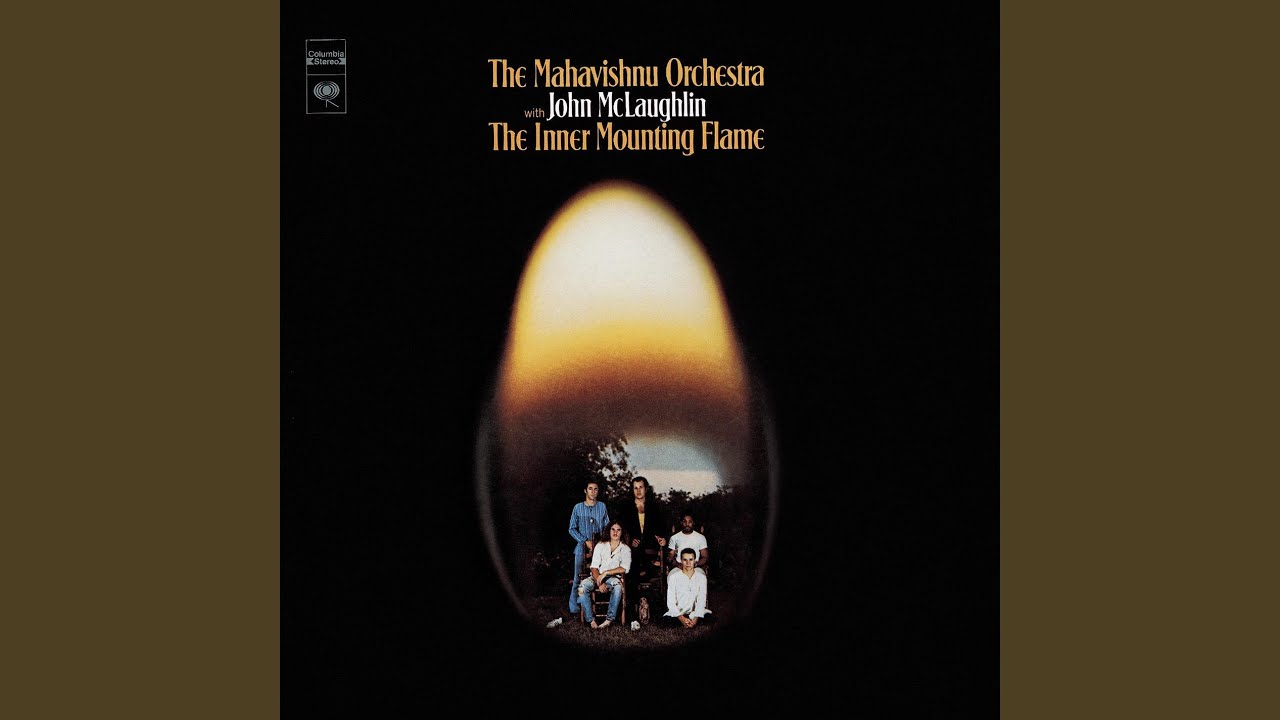
Mahavishnu Orchestra – The Inner Mounting Flame (1971)
“Mahavishnu was shocking when I first heard them. Really shocking. Nobody had heard a band like that. They had the energy of a great rock band, but the musicianship was on another planet. The odd meters. The improvisation. The precision. The power.
“John McLaughlin was doing things on guitar that nobody else was doing. That absolutely affected me. Then, years later, I’m sitting next to the guy playing guitar with him. Life is funny that way.”
Return To Forever – Light As A Feather (1973)
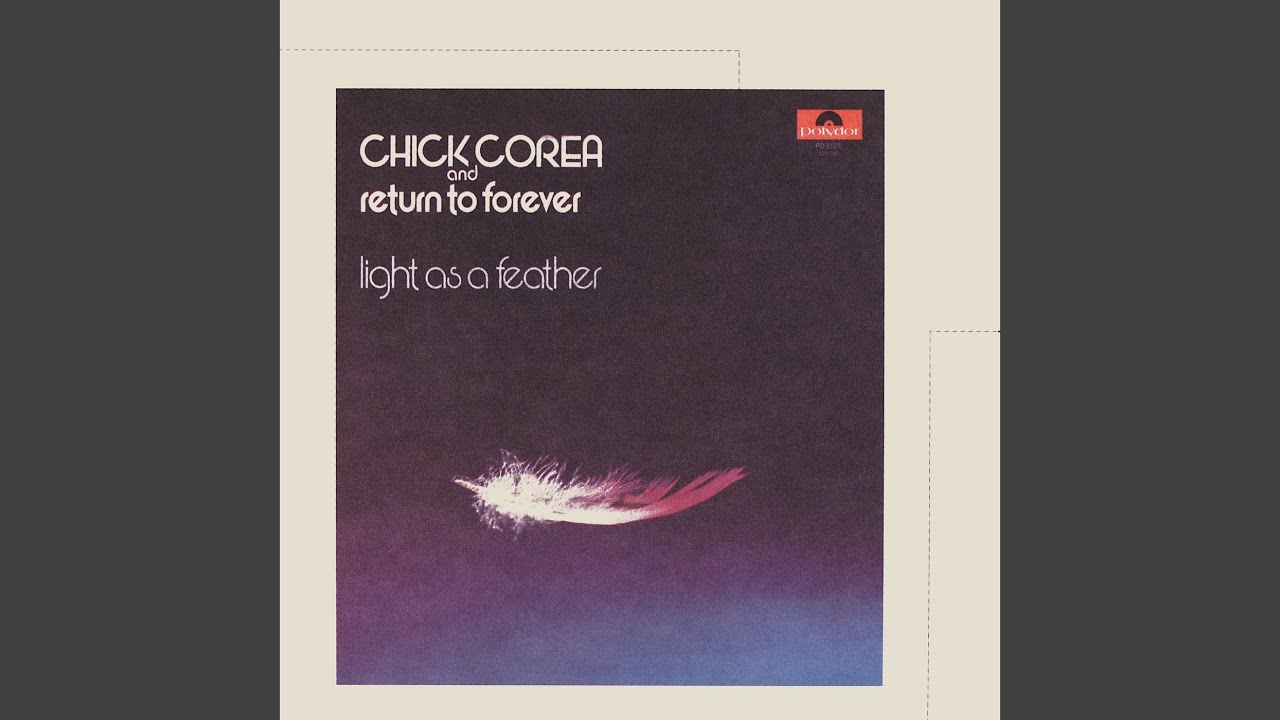
“People sometimes forget that I was a Return To Forever fan before I was ever in Return To Forever. I loved Chick’s compositions. I loved the Latin influence. I loved the sophistication of the harmony and rhythm, but there was something very melodic about Chick’s music too.
“Then imagine being nineteen years old and getting the call from the guy whose records you’ve been listening to. Suddenly I’m playing with Chick Corea, Stanley Clarke [bass] and Lenny White [drums]. My life changed almost overnight.”
Weather Report – Heavy Weather (1977)
“Heavy Weather absolutely belongs here. Weather Report was another band that showed there didn’t have to be these walls around jazz. Joe Zawinul and Wayne Shorter were creating their own universe. And then you had Jaco [Pastorius].
“Jaco completely changed the electric bass. I knew Jaco and had already recorded with him on my first solo album [Land Of The Midnight Sun, 1976]. So when you heard what he was doing with Weather Report, it wasn’t surprising to those of us who knew him.
“The rest of the world was discovering what we already knew. Listen to Teen Town. That’s not a bass player sitting in the back of a band. That’s a voice. That whole record – the compositions, the technology, the improvisation, the groove, the atmosphere – was very important.”

Return To Forever – Romantic Warrior (1976)
“Obviously, I’m biased. I was there. But that band was operating at an incredible level. Chick. Stanley. Lenny. Me. By Romantic Warrior, we’d been through a lot together, and the band had developed its own language.
Listen to Duel Of The Jester And The Tyrant. That’s four people listening to each other at an extremely high level while playing extremely difficult music.
“I was still very young, but by then I wasn’t just the frightened nineteen year-old kid who had suddenly been dropped into Return To Forever. I was beginning to know who I was. I was finding my own voice.”
The Beatles – Sgt. Pepper’s Lonely Hearts Club Band (1967)
“Not jazz! I don’t care! I’m not leaving The Beatles off this list. They were too important to me.
“Sgt. Pepper still amazes me. The writing. The production. The imagination. The sounds. They weren’t afraid of anything.
“People ask me about my influences and expect me to give them a list of guitar players. The Beatles influenced me just as much because they taught me about composition. That’s bigger than guitar playing.”

Di Meola smiles. “So,” he says, “you asked me for five jazz albums, and I completely failed the assignment. But this is probably the more honest answer.
“Because my musical life was never just jazz. Miles was there. Chick was there. Mahavishnu was there. Weather Report was there. But so were The Beatles. And so were The Allman Brothers. All of it went into the music I eventually made.”
