


When singer Peter Gabriel quit Genesis in 1975, his bandmates were devastated. But as Gabriel reveals in a new interview, he always believed that the band would be successful without him – even if they didn’t.
Gabriel has a new solo album – titled O\I – released on 27 November. In the current issue of MOJO magazine, he discusses the creation of this album and looks back on his long career as both a solo artist and a member of Genesis.
He says of his role in the band’s early days: “Genesis were a bunch of musicians and one guy who tried hard – and that was me. I worked hard at getting us noticed.”
It was in 1967 that Gabriel co-founded Genesis along with guitarist Anthony Phillips, bassist and second guitarist Mike Rutherford, keyboardist Tony Banks and drummer Chris Stewart.
In 1971, for the group’s third album, Nursery Cryme, the definitive early line-up was established with Gabriel, Rutherford and Banks joined by Phil Collins on drums and Steve Hackett on guitar.
With subsequent albums Foxtrot (1972), Selling England By The Pound (1973) and The Lamb Lies Down On Broadway (1974), Genesis became one of the leading progressive rock acts of the era alongside Pink Floyd and Yes.
Gabriel also developed into a charismatic frontman with a taste for flamboyant stage attire – notably a fox’s head paired with an evening gown, a sunflower head-dress and a giant rubbery outfit that Phil Collins likened to an inflatable penis.
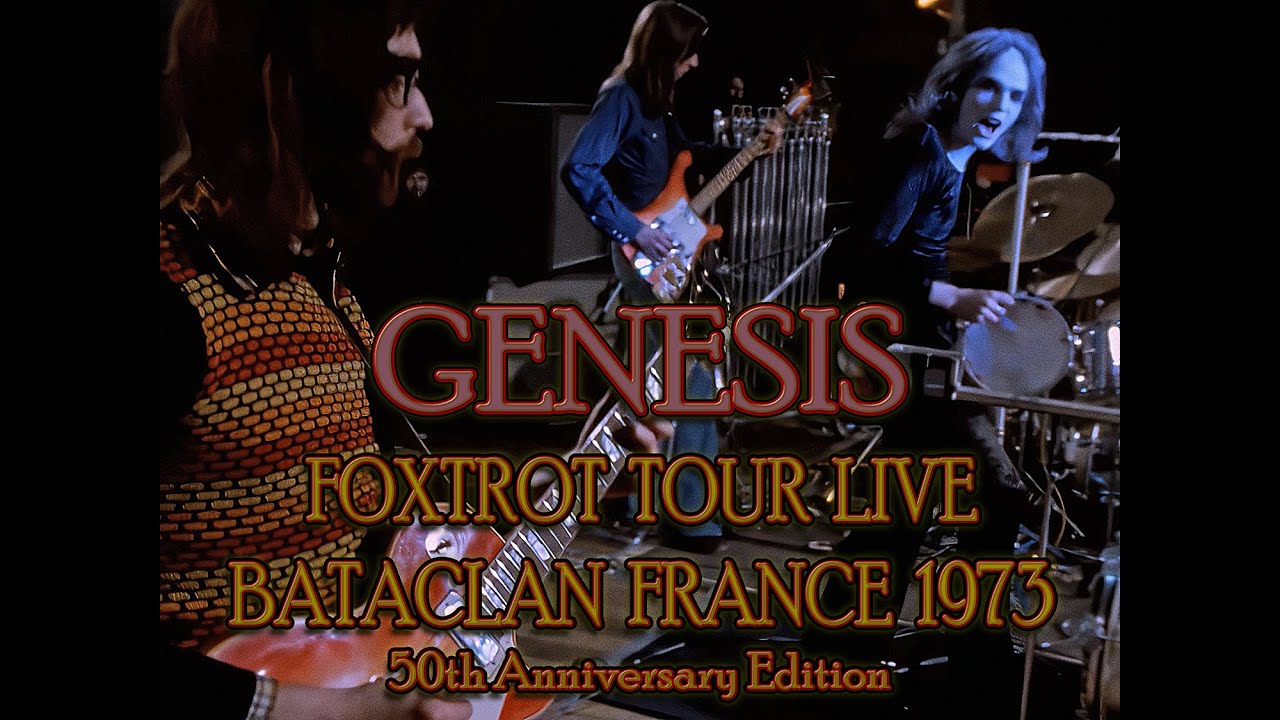
Recalling the drummer’s disapproval, Gabriel tells MOJO: “Phil used to hate the costumes. He wanted to be like a jazz musician. That was his image of himself – which I understood – and then he’s got this idiot dressing up in a silly hat or as a sexually transmitted disease. But my vision was part of what made Genesis what it was, as was Phil’s vision. But I think we fall down when we take any of it too seriously.”
Gabriel says that he was closest to Tony Banks, but even this relationship was fraught with tension.
“Tony knew me the best,” he states, “and he and I were this combination of vicious enemies and best friends. Though we only every argued about band stuff.”
It was in August 1975 that Gabriel handed in his resignation to Genesis. He had experienced a traumatic period in which his newborn daughter had been critically ill. Under pressure to make new Genesis music, he quit the band to focus on his family life. He says now: “I wanted out of the music business at that point.”
He also recalls how his vision of the future was at odds with the rest of the band. He felt sure that Genesis would continue to flourish in his absence. The others were not so certain.
As he remembers it: “Back then we were in this strange situation where the band – and I know this sounds arrogant – were really worried about their future without me. I, on the other hand, felt confident that they would do really well, as there was plenty of opportunity for them to create something new. Whereas my attitude was, ‘Fuck the co-operative!’”
In the end, of course, Genesis had a second act far more successful than Peter Gabriel could ever have predicted.
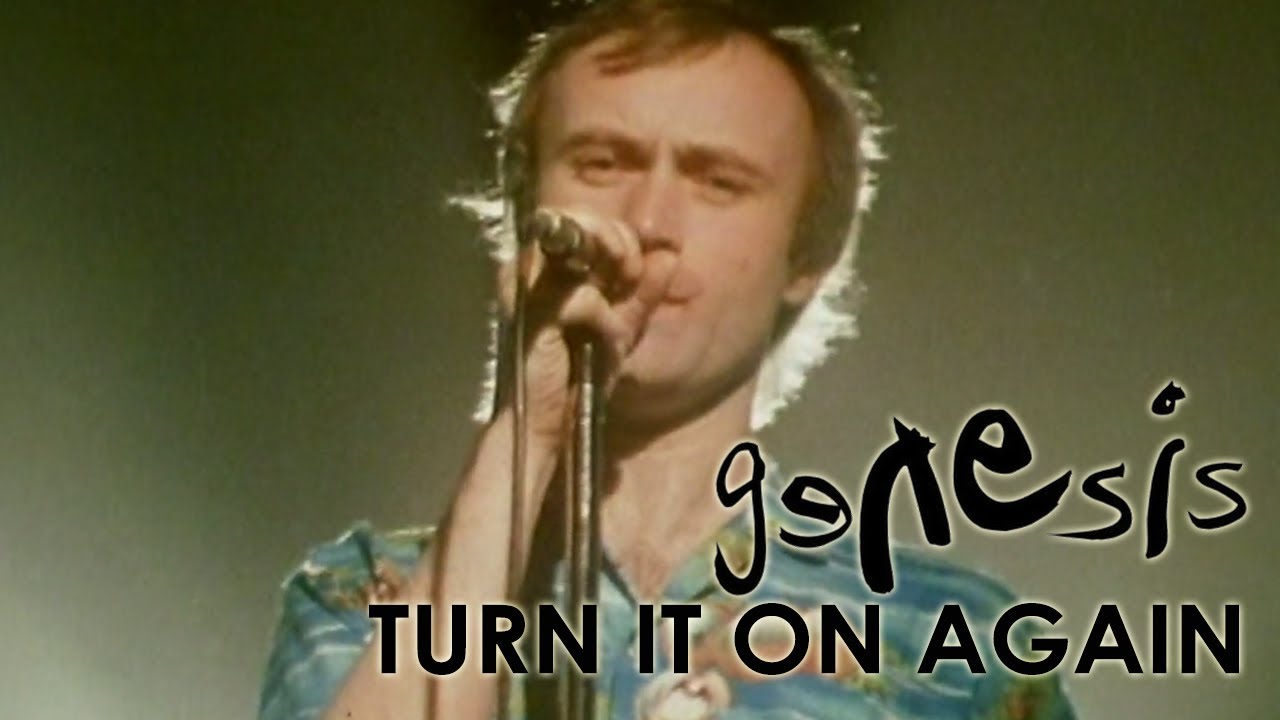
And despite his initial reservations about continuing his career in music, Gabriel also went on to enjoy critical and commercial success with a series of solo albums.
His debut solo album from 1977 yielded the hit single Solsbury Hill, a signature song for Gabriel.
He tells MOJO: “Solsbury Hill was a hopeful, optimistic song. That first record was me trying to get some confidence outside of the band.”
His best-selling album was So, released in 1986 and featuring the singles Sledgehammer, Don’t Give Up (a duet with Kate Bush), In Your Eyes, Big Time and Red Rain.
Sledgehammer reached No 1 on the Billboard Hot 100, No 1 in Canada and No 4 in the UK.

But as Gabriel recalls to MOJO, it was something of a happy accident.
“Sledgehammer was a throwaway thing,” he says, “recorded at the last minute, as the musicians were trying to leave – ‘Hey, let’s try this thing quickly!’ Everyone thinks the music was written to be a hit, but it wasn’t.”
