


It’s been revealed that Del Casher died last month at the age of 88.
The news reached the music world belatedly via a GoFundMe page set up to support his wife. “Over the last year, Del battled cancer and passed away on 1 October,” the page says. “Before that loss, COVID devastated his sound studio business and forced him to sell valuable guitars and equipment just to survive.”
Well, who is Del Casher, you might well ask? Casher was a guitarist and inventor who was responsible for much of the sound of late 1960s rock and soul – he was the man who developed the wah-wah pedal.
Casher was born in Hammond, Indiana in 1937. He joined The Three Suns, a popular group of the late 1940s and 1950s and it was whilst touring with the band that he came up with his first notable invention, the Ecco-Fonic.
This was a portable device that could create echo effects, much in the same way pedals would be able to later. But it would be his next brainwave that would go down in music history. In the mid-1960s, he was working for the Vox amplifier company when he pitched them the idea of the wah-wah pedal - “I want to sound like I can compete with a trumpet or a trombone,” he recalled saying to them in a 2003 NAMM interview.
He and Vox worked on the idea, though apparently the company had doubts whether guitarists would take it up. “Nobody saw any future for the guitar being used with this device,” he once told the New York Times. “They thought I was a crackpot.”
Even music pioneers weren’t convinced: “I was describing to James Brown that the wah-wah pedal is really a thing of the future,” he remembered. “And James Brown said, ‘I just think it’s a passing fad.’”
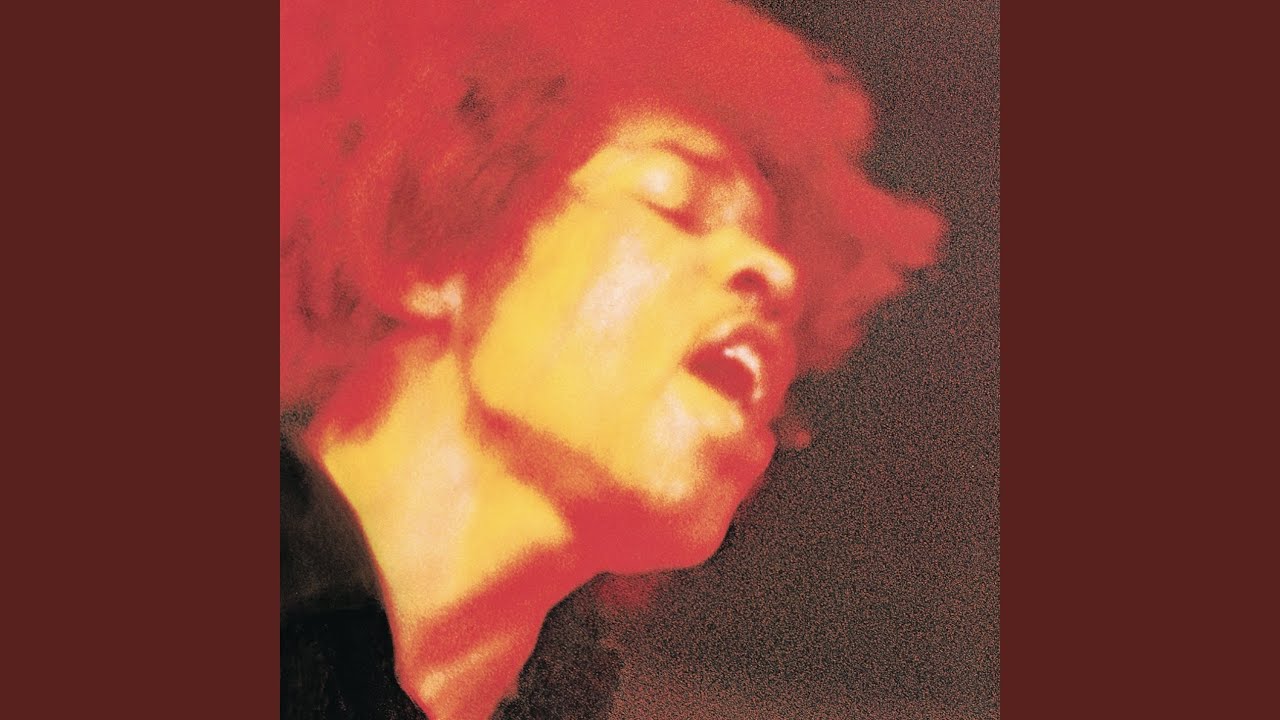
But some musicians were curious. Frank Zappa let Casher sit in on a Mothers Of Invention session and saw how it could be utilised. Zappa then gave a wah wah to Jimi Hendrix, who used it throughout Electric Ladyland. Soon, it became the sound of late 60s rock.
Eric Clapton (who used it on, well, Wah Wah from George Harrison’s All Things Must Pass), David Gilmour and Jimmy Page were all keen on it and it cropped up on a whole host of early 1970s soul classics, such as Let’s Get It On, Shaft and Papa Was A Rolling Stone.
Since then, it has dipped in and out of fashion amongst guitarists. It found favour again in the late 1980s and early 1990s when it became heavily associated with the Madchester indie-dance scene – John Squire used it throughout the Stone Roses debut album and the Fools Gold single.
“I feel gratified that I was there at the beginning,” Casher said of his place in music history to the New York Times in 2011. “I would just like guitar players to think of me once in a while. The only thing I ask is: remember me.”
