To quote the song itself, when you first hear Ricky Martin’s Livin’ La Vida Loca, it really does hit you “like a bullet to your brain”. Released in 1999, it blended Latin pop, salsa, surf guitar and even a whiff of ska, and sounded quite unlike anything else on the radio. And, for the time, it was recorded in a very different kind of way, too.
“That was the first song to be all done digitally to make it all the way to number one,” confirms Desmond Child, who co-wrote and produced the record, in an interview with Elmo Lovano. “It was recognised by the Library of Congress, the National Registry of Recorded Works. It was like, you know, Thomas Edison or something. We made it all the way to number one in a completely digitised format.”
“We didn’t use any outboard or anything that was analogue,” confirms Child.
These days, of course, working in the box is a quick and convenient way of doing things, but in the late ‘90s, limited computing power and a reliance on additional DSP meant that systems such as Pro Tools – Child’s recording platform of choice – were far from the rock-solid solutions that they are today.
“We called it Slow Tools,” he remembers. “I mean, we’d have 19 breakdowns a day.”
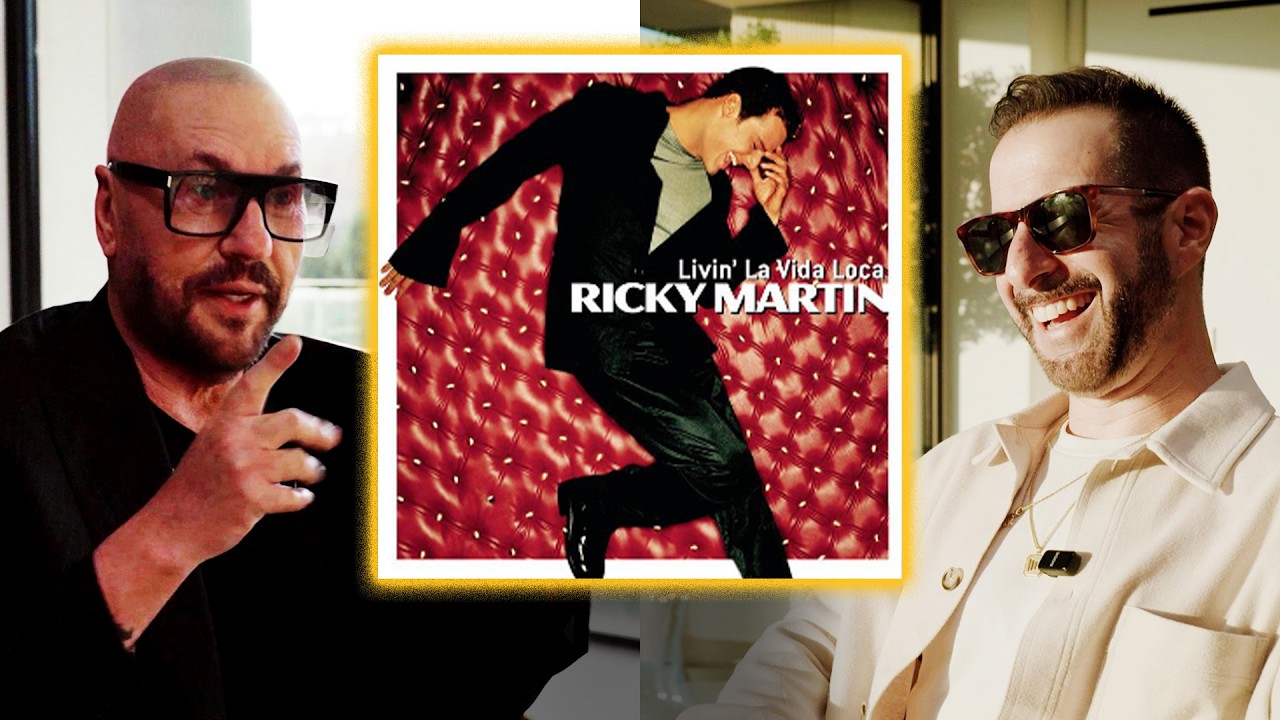
Child overcame these challenges, though: “We made recording history,” he notes. And when it came to the in-the-box mixing, he decided to deviate from the sound that Martin’s Latin audience was familiar with.
“Latin radio, it seemed to me there was an overuse of reverb,” he says. “Everything started swimming, like it was like Italian pop or something. I was listening to urban music at the time, and it was very dry, everything was in your face. So I said, ‘let's mix it like that.’ And so, if you listen to it, you can hear it across, you know, a football field, because it jumps out of the speakers because it's so dry.”
Livin’ La Vida Loca was Martin’s debut English-language single, but came off the back of huge success in the Latin music world. It came about after Child had worked with him on La Copa de la Vida (The Cup Of Life), the official anthem of the 1998 World Cup, and it soon became clear that Martin had the potential to appeal to a much wider audience.
It was after the 1999 Grammys, where Martin sang Copa de la Vida and received a rapturous reception, that the seeds of Livin' La Vida Loca were sown.
“I got a call from [his] manager the next day, who said, "OK, we need a song in Spanglish [a hybrid of the Spanish and English languages], and I said, ‘OK,’” Child remembers.
After he and fellow songwriter Draco Rosa submitted it, though, they got a rather bewildering request from Martin’s record label.
“We got a call from Don Ienner, who was the head of Columbia Records, and he said, ‘OK, we like it, but can you do it in English now?’ And I said, ‘It is in English, really. It's like, it's all in English. There are only three words in Spanish – ‘livin’ is English, so ‘la vida loca’. There's nothing else in the song that's in Spanish.’”
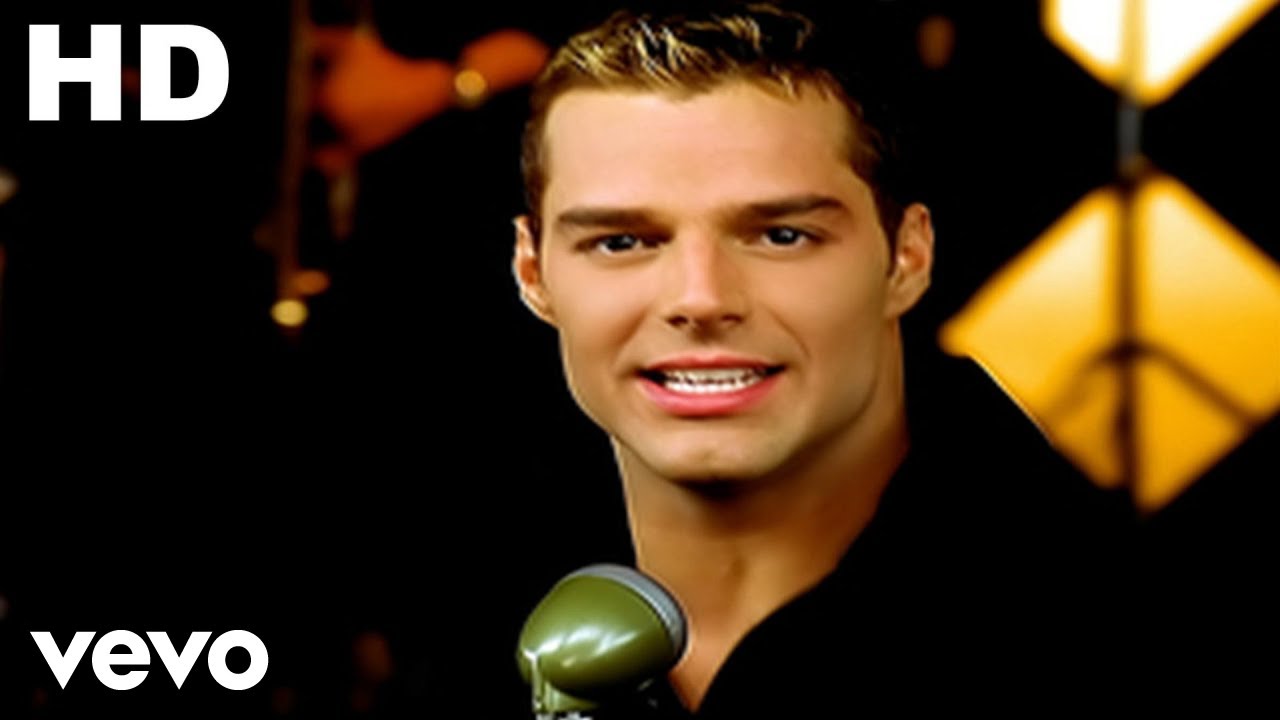
Child clearly won the argument – though he does point out that, when Livin’ La Vida Loca was released and Columbia took out a full-page ad to promote it, they still felt the need to subtitle it ‘Livin' the Crazy Life’, just so people didn’t confused…
No matter, because the song went on to become a massive hit. What’s more, Child believes that it helped to change the course of Latin music.
“That has lasted to this day,” he says of the song’s influence, “because it was the door opened for urban Latin music called reggaeton, culminating, to me, in Despacito.”
Child would go on to have more hits with Martin – who can forget She Bangs? – but nothing can match their incendiary first flourish. We’re still not sure that anyone could convince us to ‘take our clothes off and go dancing in the rain,’ though.