
For many video game fans, the Silent Hill series holds a truly special place in their hearts. Not just a top tier horror franchise, but an emotive rollercoaster of character and drama, the franchise remains a key example of the unique storytelling abilities of the interactive medium.
Soundtracking close to every entry in Konami’s still-growing franchise, Akira Yamaoka is renowned for being a master horror-and-emotion sonic craftsman. One of the key creatives behind the series, Yamaoka has also been involved in Silent Hill’s cinematic spin-offs, most recently with the film Return to Silent Hill, which he also executive produced. Yamaoka’s scores have encompassed diverse instrumentation, blending industrial noise, chilling ambience, scintillating guitar and unforgettable melodies. Akira's chief creative goal is unchanging - serving the narrative.
Decades on from his initial work on the franchise, and Yamaoka continues to perform, celebrate and compose for the Silent Hill series, being intensely involved in a slew of modern remakes.
We caught up with Akira to find out more about the process behind one of video games' most the most iconic soundtracks.
MusicRadar: Can you take us back to the beginning of your journey Akira, how did you start making music?
Akira Yamaoka: “I became seriously interested in music when I discovered new wave as a teenager. I was heavily influenced by artists such as Yellow Magic Orchestra, Depeche Mode, and Japan.
“Their music felt completely different from anything I had heard before. It wasn’t just about writing songs - they seemed to be creating entire worlds through sound, technology, and atmosphere.
“That experience inspired me to start making music myself. I gradually began composing, and that interest continued while I was studying computer graphics and design at university.
“At the time, I wasn’t trying to become a musician. I was actually more interested in visual art and spatial design.
“However, creating images and spaces felt very similar to creating music. To me, both are about designing an experience - shaping how people perceive and feel something.
“Through playing in bands and later working in the video game industry, music gradually became the centre of my life. And somehow, that path led me to where I am today, still making music.”
MR: How did you end up becoming the composer for the Silent Hill franchise?
AY: “It happened quite naturally. When Silent Hill was first being developed, the team was relatively small, and it wasn’t unusual for people to take on multiple roles. Since I had already been making music, I was given the opportunity to work on the soundtrack.
“What made Silent Hill special was that there weren’t many rules about what the music was supposed to be. The entire team was trying to create something different from traditional horror games, and that gave me a great deal of creative freedom.
“Rather than simply writing scary music, I wanted to express loneliness, sadness, anxiety, and the psychological aspects of fear. I think that approach ultimately became one of the defining characteristics of Silent Hill’s sound.
“Looking back, I think a big part of it was being surrounded by talented people who were willing to try something new, and being fortunate enough to be there at exactly the right time.”
MR: There’s a notable difference between the sonic universe of that first Silent Hill game and the successive titles. Does composing for the series allow you to be quite diverse in approach?
AY: “Yes, I think so. One of the things that made Silent Hill interesting to me was that it was never defined by a single musical style. What mattered most was the emotional experience rather than the genre itself.
“The first game was much more industrial and aggressive because it reflected the technology, the atmosphere of the project, and my own interests at the time. As the series evolved, the stories became more emotional and character-driven, which naturally led me toward more melodic and intimate forms of expression.
“I never felt that I had to repeat the same sound from one game to the next. Instead, I tried to find what each story was really about and build a musical language around that. Because of that, the music could move between industrial noise, ambient textures, rock songs, electronic music, orchestral elements, or even silence if that was what the game needed.
“For me, diversity was never the goal itself. It was simply the result of trying to serve each game’s unique emotional world.”
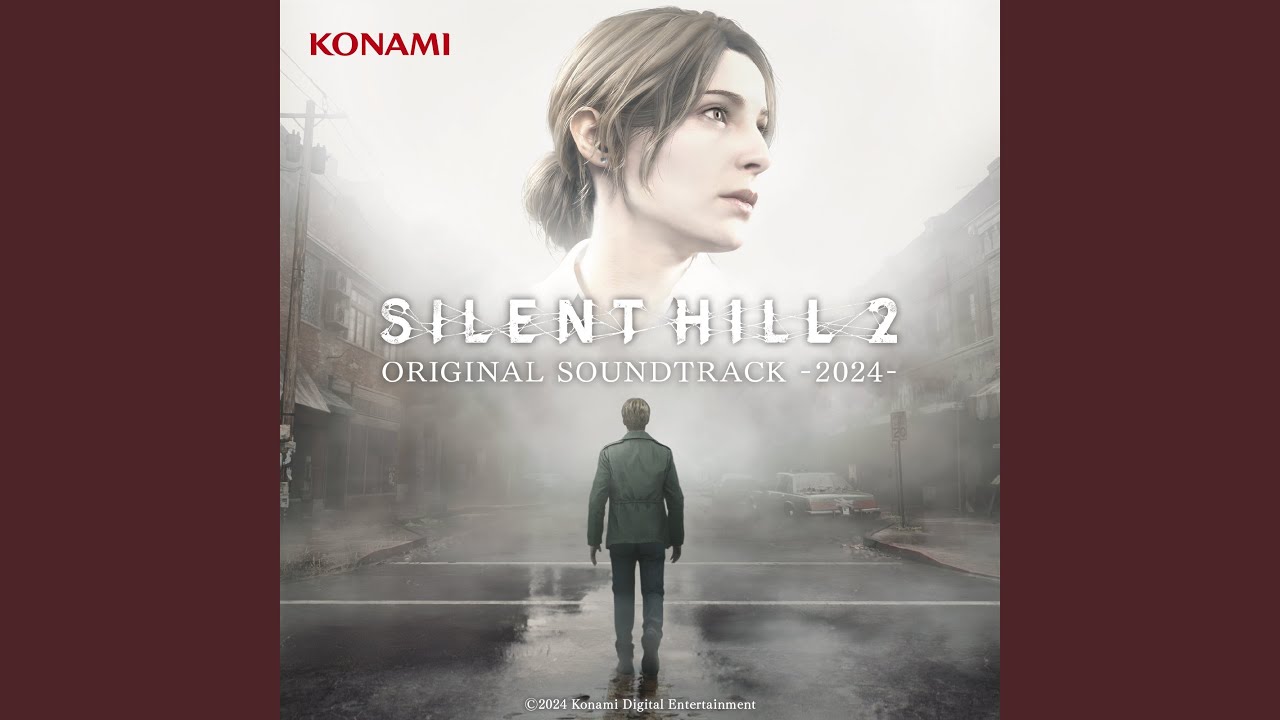
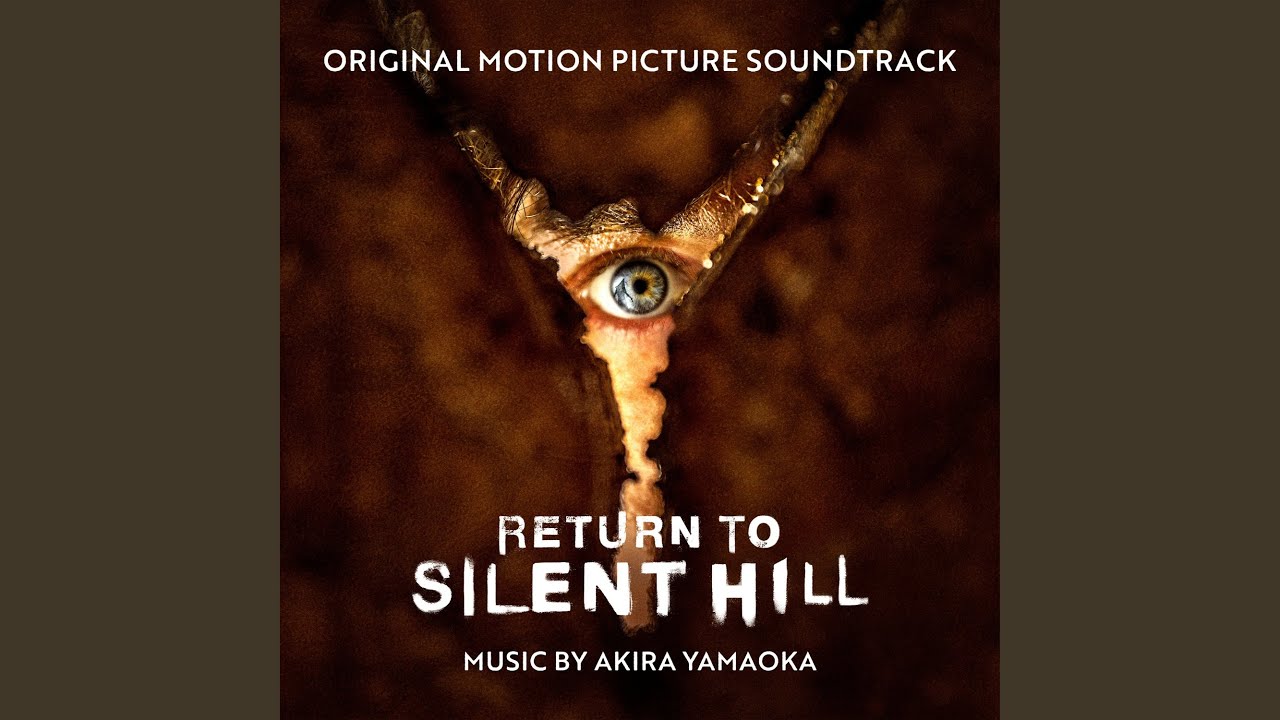
MR: Your most recent project was the Return to Silent Hill movie, based on the game Silent Hill 2, of course. There’s some fascinating juxtapositions of emotions in that score. What was your intent when creating it, and is ‘nostalgia’ something you’re consciously trying to evoke from those legacy players?
AY: “For the film, my goal wasn’t simply to recreate the music from Silent Hill 2. A film and a game are very different experiences, so the music had to function in a different way.
“What interested me most was the contrast between beauty and discomfort, love and loss, reality and memory. Those emotional contradictions have always been at the heart of Silent Hill, and I wanted to explore them from a cinematic perspective.
“As for nostalgia, I don’t usually begin a project thinking, ‘I want people to feel nostalgic.’ If I focus too much on the past, it can become imitation rather than creation.
“That said, memories are an important part of Silent Hill itself. The story of Silent Hill 2 is deeply connected to memory, regret, and the inability to let go. Because of that, some of the emotions people associate with nostalgia naturally emerge from the material.
“So rather than trying to recreate a feeling from twenty years ago, I tried to be honest to the emotional core of the story. If players or viewers feel nostalgia through that, I think it comes from their own relationship with the work rather than something I intentionally inserted.”
MR: What is your typical compositional process? Do you score to picture or do you develop themes separately?
AY: “It depends on the project. For films, I usually work closely with the picture because timing, pacing, and dramatic structure are very important. The music needs to support what is happening on screen while also adding something that isn’t visible.
“For games, the process is often different. Sometimes I start by creating themes or textures before there are final visuals. In those cases, I’m responding more to the ideas, atmosphere, and emotional direction of the project rather than specific scenes.
“In general, I don’t think of music as something that simply accompanies an image. I’m more interested in how music can become part of the world itself. Because of that, I often begin by asking what kind of emotional space the work needs. Once I understand that, melodies, sounds, rhythms, and textures tend to emerge naturally.
“So whether I start from a picture or from an abstract idea, the goal is usually the same: to create an emotional environment rather than simply write a piece of music.”
MR: What technology is integral to how you work? And do you use many virtual instruments when composing?
AY: ”Technology has always been an important part of my creative process. I grew up listening to artists who embraced synthesizers, samplers, and new technology, so I’ve never really seen technology as separate from music. To me, it’s simply another instrument.
“These days, I use a combination of software and hardware, depending on the project. Virtual instruments are a big part of my workflow, especially during the composition stage, because they allow me to explore ideas quickly and experiment with different textures and emotions.
“As for favourites, I tend to use whatever helps me achieve the sound I’m imagining rather than being loyal to specific tools. That said, I often use Kontakt-based libraries, various synthesizers, and orchestral libraries. I also still enjoy manipulating sounds and creating custom textures from recordings rather than relying entirely on preset sounds.
“What interests me most isn’t whether a sound comes from hardware or software. It’s whether that sound creates the right emotional response. At the end of the day, technology is only a tool. The most important thing is still the idea behind the music.”

MR: How does composing for video games differ from composing for film? What are the major differences?
AY: “The biggest difference is that films are linear, while games are interactive.
“In a film, the audience experiences events in a fixed order and at a fixed pace. As a composer, you know exactly when something will happen and how long a scene will last.
“In games, you often don’t have that certainty. A player may stay in an area for thirty seconds or thirty minutes. They may explore, stop, fail, or do something unexpected. Because of that, the music has to be much more flexible.
“When composing for games, I’m often thinking not only about the music itself, but also about systems—how the music can evolve, react, and adapt to the player’s actions without breaking the emotional experience.
“That said, I think the fundamental goal is the same. Whether it’s a film or a game, the music is there to support the world, deepen the emotional experience, and help tell the story.
“The tools and techniques may be different, but ultimately you’re still trying to connect with people on an emotional level.”
MR: How has composing changed for you over the years, has more technology and choice made things easier?
AY: “Technology has certainly made some aspects of music production easier. When I started, we had far fewer tools available, and many things took much longer to create. Today, it’s possible to experiment with ideas almost instantly, and the quality of virtual instruments and software is remarkable.
“However, I don’t think creativity has become any easier. If anything, having access to endless possibilities can sometimes make decisions more difficult. In the past, limitations often forced you to be inventive. Now, the challenge is knowing which possibilities to ignore.
“What has changed most for me is probably my perspective. When I was younger, I was often excited by discovering new sounds and new technology. Today, I’m more interested in why I’m using those sounds.
“The tools continue to evolve, but the most important questions remain the same: What am I trying to express? What emotion should the audience feel? What does this project really need?
“Those questions have never changed, and I think they are much more important than the technology itself.”

MR: What are some other soundtracks that you personally admire - and have any other soundtracks influenced your approach?
AY: “There are many soundtracks and composers that I admire, but one composer whose work I have always loved is Anne Dudley.
“What I admire about her music is the way she combines orchestral writing, electronic elements, and strong emotional storytelling with such elegance. Her work never feels limited by genre, and there is always a unique personality behind it.
“More generally, I’ve been influenced by a wide range of music - not only film and game soundtracks, but also electronic music, experimental music, and artists who create their own distinctive worlds through sound.
“What inspires me most is when music has a clear identity. When you hear only a few seconds and immediately know whose work it is, that’s something very special.
“I’ve always been drawn to artists who aren’t afraid to take risks and follow their own vision. Those are often the works that stay with people the longest.”
MR: What track from across your work on the Silent Hill games do you regard as your favourite, and why?
AY: “I would probably say Theme of Laura. Partly because so many people have told me over the years that it’s their favourite piece. It’s always moving to see how strongly people connect with that music.
“At the time, I wasn’t thinking about creating something iconic. I was simply trying to express the emotional core of Silent Hill 2 through music.
"Looking back, I’m grateful that the piece has continued to resonate with people for such a long time. It’s taken on a life of its own in a way that I never expected.
MR: Are you worried about the development of AI encroaching into industries such as your own - or do you think people will always warm more toward human-made art?
AY: “I think AI is a tool, and like every new technology, it will change the way people work.
“I’m not particularly interested in debating whether AI is good or bad. What interests me more is how people choose to use it. AI can already help generate images, text, and music, and those capabilities will continue to improve. But for me, art is not only about the final result. It’s also about intention, experience, mistakes, contradictions, and the human desire to communicate something meaningful.
“I think people connect with stories behind the work as much as the work itself. They connect with the person, the life experiences, and the perspective that shaped it.
“So I’m not worried about AI replacing creativity. What I do think is that it will force us to think more carefully about what creativity actually means.
“In the end, technology will continue to evolve, but the human need to express emotions and connect with other people will remain the same.”
MR: What’s next on the agenda for you Akira?
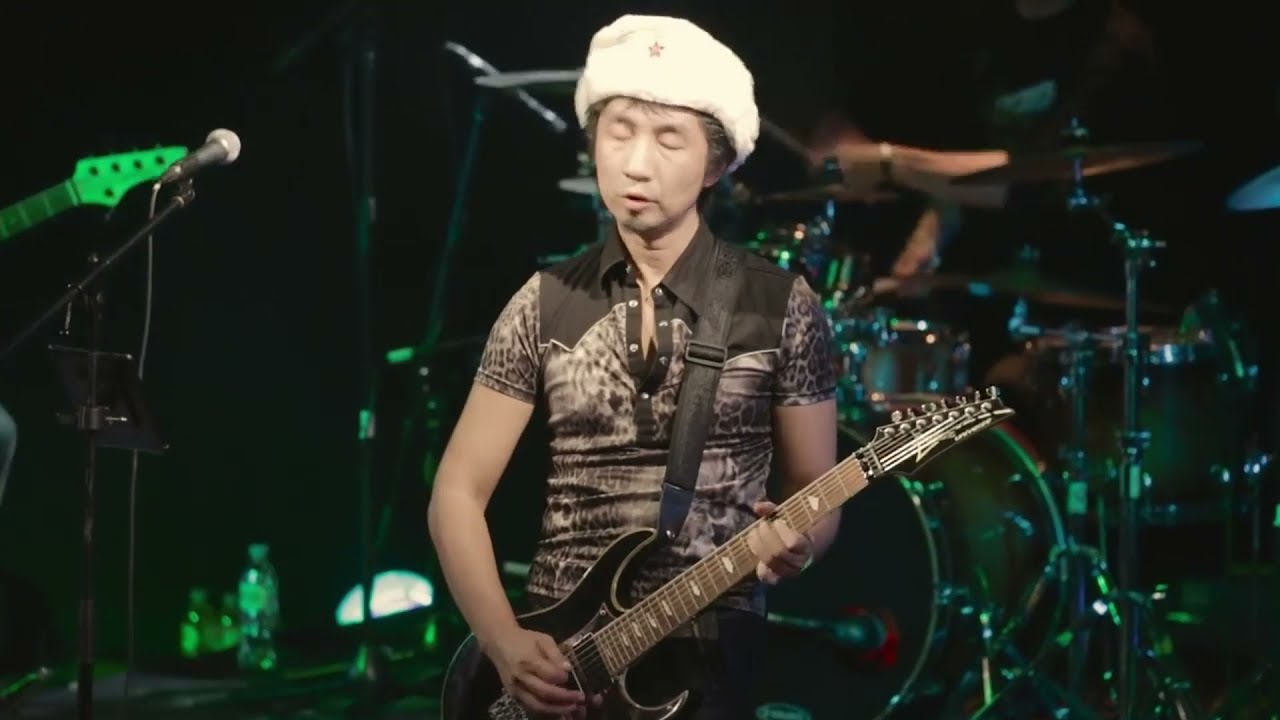
AY: “I’m currently working on several different projects. Some are related to video games, while others involve film and my own personal musical work. In recent years, I’ve also been focusing more on live performances, and I really value the opportunity to connect directly with audiences around the world.
“What I always try to keep in mind is not repeating the past, but continuing to challenge myself with new forms of expression. I want to keep exploring new ways of communicating ideas and emotions through music.”
You can pre-order Akira's latest score for Return to Silent Hill on vinyl here. For more info on Akira's current projects and upcoming tour dates, check out his official website
