


Emerson, Lake & Palmer were one of the greatest progressive rock acts of all time. But as drummer Carl Palmer tells MusicRadar, the album they made under pressure at the end of the ’70s was widely ridiculed – and its commercial failure prompted the trio to go their separate ways.
That album was Love Beach, and as Palmer says now: “To be honest, we were really tired when we made that record. I mean, we’d done a lot.”
This sense of fatigue was reflected in contemporary reviews of the album. As critic Michael Bloom stated in Rolling Stone magazine: “Love Beach isn’t simply bad; it’s downright pathetic. Stale and full of ennui, this album makes washing the dishes seem a more creative act by comparison.”
In a later interview, keyboard player Keith Emerson agreed with Rolling Stone’s assessment of Love Beach, dismissing the album as “an embarrassment against everything I’ve worked for”.
But Carl Palmer insists that this much-maligned record really isn’t so bad.
“It’s not my favourite album,” he says, “but there are some good tracks on it.”
He cites their interpretation of Canario, composed by Spanish pianist Joaquín Rodrigo, as a highlight of the album.
He also says that for himself, Emerson and bassist/guitarist/vocalist Greg Lake, the writing was on the wall even before the sessions for Love Beach began.
He explains: “Just so you get the complete story, we had basically broken up by the summer of 1978 when we started on that album. We weren’t like big friends, but we used to hang together. We used to go out to the odd restaurant together. And in ’78 we’d gone to Nassau in the Bahamas because Keith had got a house there.
“So we were just hanging out on the beach, and that’s where we were when Ahmet Ertegun from Atlantic Records called and said, ‘Why don’t you try once more in the studio?’ And at first we said, ‘Well, we’ve got nothing really written.’
“Keith was a little bit panicked because he would come up with a lot of the big ideas, and Greg hadn’t got any acoustic stuff. But Ahmet kept on and on and on about it. And then Chris Blackwell came into the picture.”
Blackwell, the founder and head of Island Records, owned the famous recording studio Compass Point on the island of Nassau.
Palmer recalls: “Chris told us all about the studio and said, ‘I’ve got some free time for you if you want it.’ So we realised that they [Ertegun and Blackwell] were ganging up on us behind the scenes. And in the end we went into the studio and gave it a go.”
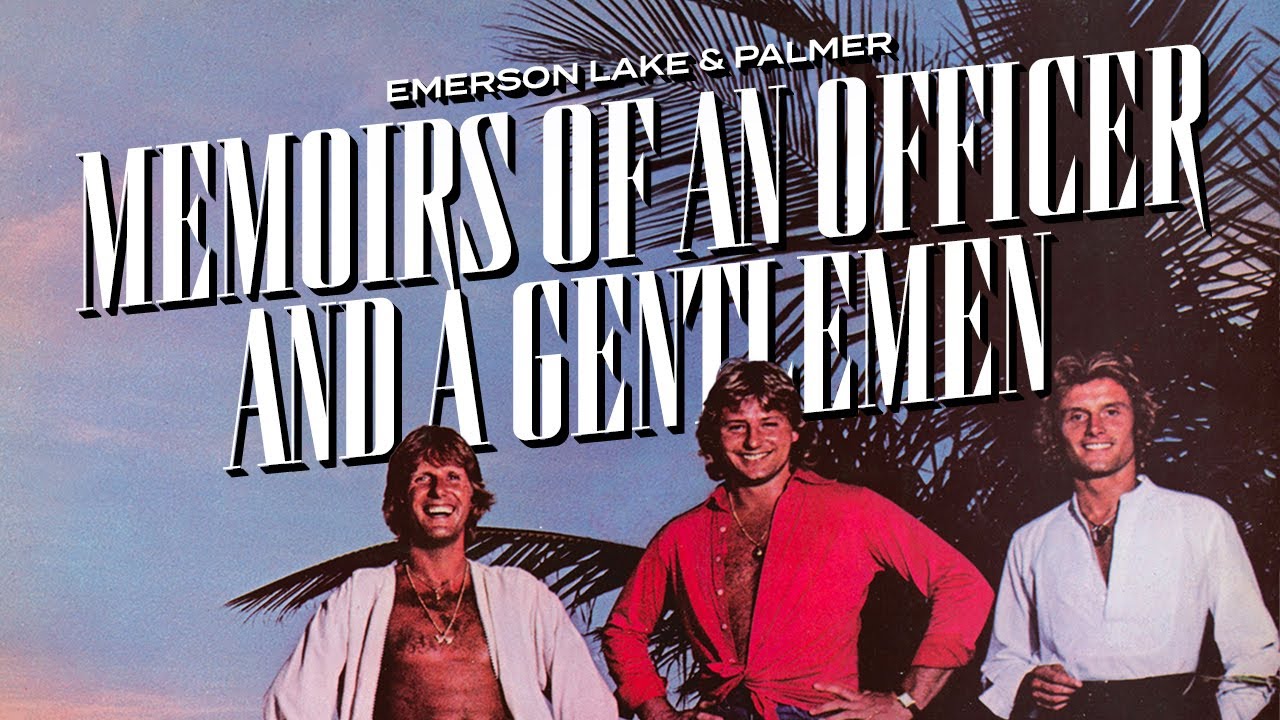
Love Beach was comprised of two very distinct halves. Side one featured six short tracks of fairly simplistic pop rock material, written by Greg Lake with lyricists Pete Sinfield, plus the version of Canario. Side two had just one track, the 20-minute epic Memoirs Of An Officer And A Gentleman, composed by Emerson and Sinfield.”
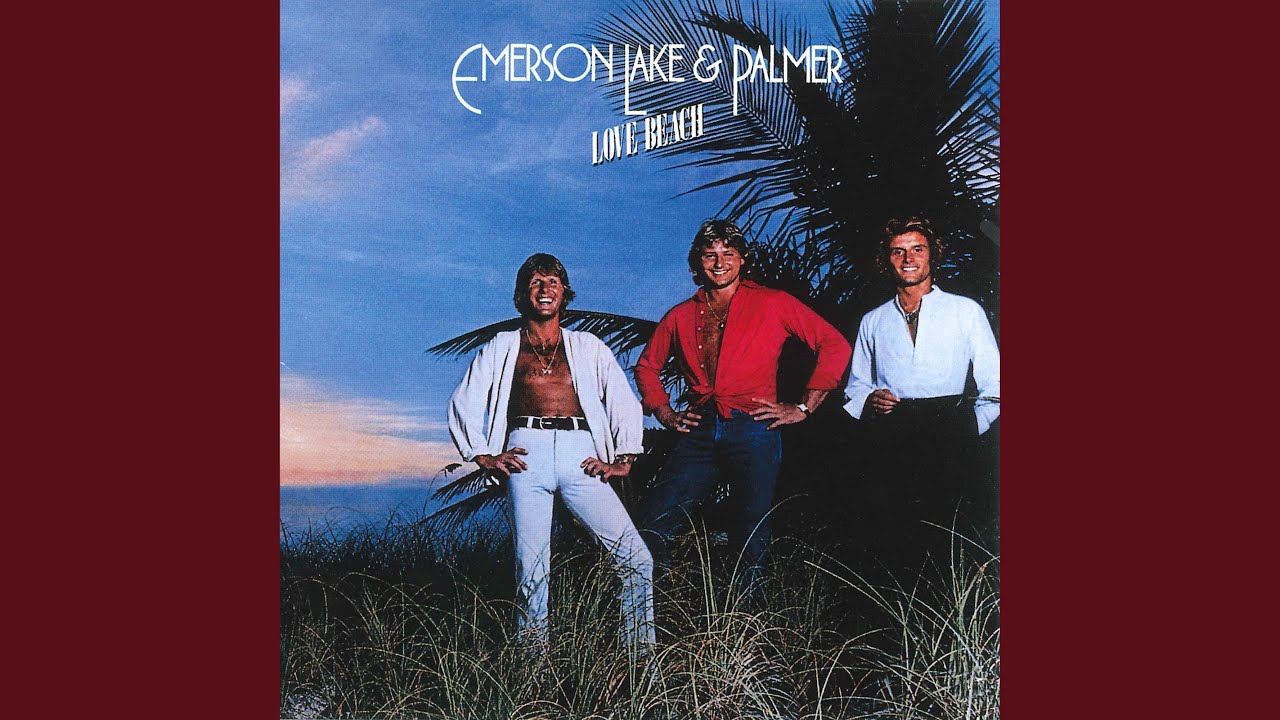
Palmer names Memoirs Of An Officer And A Gentleman as another highlight, but remains embarrassed by the album's cover art.
“We called the album Love Beach because that was the name of the beach in front of the studio,” he explains.
This was the location for the album’s cover shoot, for which the three smiling musicians wore outfits that would not have looked out of place in a ‘70s discotheque.
“We had that dreadful picture on the cover with the three of us looking like the Bee Gees,” Palmer recalls. “I remember standing on that beach and thinking, ‘This is wrong.’ I thought: ‘We play nice acoustic songs sometimes, but we’re meant to be a progressive rock band.’”
He admits: “I didn’t like it, but I went along with it. And the album really wasn’t that bad, but we never promoted it. It might have sold more if we’d promoted it, but we were tired. We’d toured so much.”
Love Beach was released on 17 November 1978.
The album’s opening track All I Want Is You was released as a single and was performed by the group on Top Of The Pops.
But Palmer’s attempts to organise a farewell tour came to nothing.
In 2021 Classic Rock descried Love Beach as ELP’s grand folly, stating: “For all their magnificent prog triumphs – Tarkus, Trilogy, Brain Salad Surgery et al – ELP also had some terrible lows. The band reached their nadir with the ridiculous Love Beach. Released at the height of punk, and with the three members dressed like The Bee Gees on the cover, Love Beach contained several ill-advised stabs at commercial pop plus a tragic wedge of prog-rock pathos, Memoirs Of An Officer & A Gentleman. More than the efforts of Johnny Rotten and Joe Strummer, Love Beach was the thing that killed prog in the ’70s.”
Carl Palmer says now: “People often crack jokes about that album. Maybe somebody should have stopped us before we ran out of gas.
“I can see why the band came to an end. But that was one album. There are all those really high-end albums that we made, and I’m still so proud of them.”
