When the phone rings to discuss his essential bass guitar albums, Marcus Miller is in the same Los Angeles studio where he recorded 1986 Miles Davis album Tutu.
As he navigates its fabled walls and corridors in hope of finding better reception, he admits it’s quite a “trippy” feeling for him. Though the bass maverick had played on some of Davis’ albums in the early '80s, moving on after a couple of years, the following chain of events would end up being what he calls the beginning of their second relationship…
Miles Davis had been experimenting with George Duke, using samplers, drum machines, all the new stuff of the '80s... I said, ‘If he wants to go in that direction, I’m ready!’
“Tommy LiPuma was the staff producer at Warner Bros. at the time,” remembers Miller.
“He called me up to say that he’d just signed Miles Davis away from Columbia Records. When I asked what kind of music he was doing next, I was told it had to be ‘something different’. Miles had been experimenting with George Duke, using samplers, drum machines, all the new stuff of the '80s...
“I said, ‘If he wants to go in that direction, I’m ready!’ So I made a three-track demo right where I was living in New York. I called Tommy up, ready to send it and he said, ‘Don’t send it, I’m flying you out!’ So I came right here to Capitol Studios, sat in the studio and played my demo. He said it sound exactly what Miles was after and that we should record it right now.”
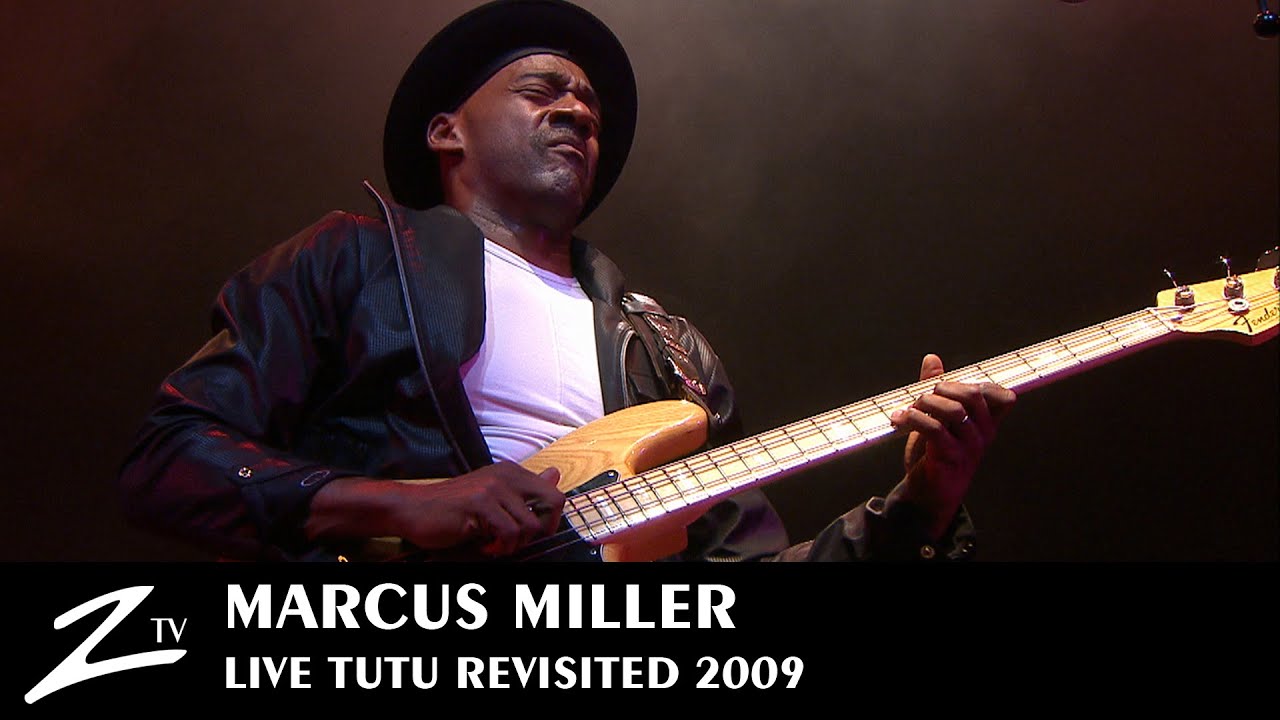
It’s at this point Miller realised his role within the Miles Davis group would be somewhat different this time around, taking on the lion’s share of creative influence and performance duties with full blessing from the acclaimed trumpeter himself.
He asked when the band would be showing up only to be told by LiPuma that they wanted him alone, as heard on the demo. The bass virtuoso admits it was all incredibly flattering, though he did naturally start to wonder when Davis would make an appearance...
By the end, I was dancing around while Miles was playing, pointing to give signals on where to come in and out. He said to me afterwards, ‘Man, I’ve created a monster in you!’
“I just did my thing - Miles wasn’t even there to begin with,” he continues. “Eventually he came and said it sounded great, followed by ‘call me when you need trumpet!’”
And so Miller continued, eventually making the call that resulted in the pair sitting side-by-side to work together once more. He used a soprano sax to play Davis guide melodies before tapes got rolling - figuring it would fit closer to the key and range of a trumpet than using his voice or a piano.
“I was giving him primitive guidelines and he said, ‘C’mon man! When are you really gonna tell me what to do, I know you know what I need to be doing!’ So I gave him more assertive instruction and we both got excited because it sounded good. By the end, I was dancing around while he was playing, pointing to give signals on where to come in and out. He said to me afterwards, ‘Man, I’ve created a monster in you!’”
Miller will be performing at Manchester’s Bridgewater Hall and London’s Royal Festival Hall at the end of the month. He has a new album, Laid Black, which he calls the second part of “this little phase I’ve been in” since 2015’s Afrodeezia, which saw him following the journey of his ancestors musically, gelling the sounds of the American South, West Africa and the Caribbean.
On Laid Black, however, he’s wholeheartedly going with what’s happening with him right now...
“After mixing all those styles together, I wanted to do something contemporary in feel,” he admits. “It’s not like I’m either trying to recreate the past or show people how RnB or funk or hip-hop should be done today. Whatever I do, it’s all through my lens…”
Fans will be delighted to learn that Miller’s famed ’77 Jazz Bass will be making an appearance on the select May/June European dates. As will his new Sire V7 second generation and a Sire fretless, along with an MXR Bass Octave Deluxe (“it seems to track really well”) and a personalised Rodenberg overdrive pedal (“one of three given to me, Stanley Clarke and Victor Wooten on the SMV Tour”).

The instruments will then be fed into his signature Markbass Little Marcus head, which the bassist himself admits wasn’t a collaboration he saw coming, at least to begin with...
“They’re a popular brand but I was never completely in love with them because they felt more for fusion players,” notes Miller.
“They don’t have a lot of low-end or high-end, just a really clear mid. That didn’t work for me, but I got talking to Marco De Virgiliis. When I played in Italy, I went to visit and he pulled some stuff out of the closet! I said, ‘Why have you been hiding these?!’
“This thing had a lot of low-end, though it didn’t have all the highs I wanted. So he had a guy pull out of bunch of tweeters, disconnecting and reconnecting until I heard the one I liked. We worked for three or four days tweaking more and more to develop it.”
Here, Miller gives MusicRadar a run through his ultimate bass albums...
Marcus Miller plays London Royal Festival Hall on 26 May.

1. Kool & The Gang - Wild And Peaceful (1973)
“This was first album I noted the bass on; it’s the one with Jungle Boogie and Hollywood Swinging and a lot of the big '70s funk hits before they started doing more pop-oriented music. When they first hit the scene, it was just drums and bass funky. Jungle Boogie is just awesome, man.
“I think Robert Bell’s brother Ronald, who was the musical director of the band, also played bass on some of those songs. I’m not sure if that’s true, but something makes me think that he did.
“It was a Fender Precision on all the songs, the bass just killing, real funky. I came up in the '70s back when the bass was the most important part of the song aside from the singing. The drums sounded small; it was the bass holding everything together.”

2. The Jackson 5 - ABC (1970)
“A great example of James Jamerson killing! Also there was Wilton Felder, who was the saxophone player for The Crusaders… it turns out he played bass on some of those records.
The kick drum on a Motown record was like a tiny knock… all the low-end came from Jamerson
“I asked him about it when I produced The Crusaders and he said it was true. Anyways, those Jamerson basslines are so incredible and free...
“He started off as an upright player, using only fingers with flats real high off the neck. I don’t think he’d changed them throughout the '60s. He just had that thing, man. Sometimes he’d play a lot of notes, but every one felt so good - you didn’t mind.
“And he really held those Motown records together. The kick drum on a Motown record was like a tiny knock… all the low-end came from Jamerson. I was 10 or so when I first heard The Jackson 5. They were my entry into soul music.”

3. Graham Central Station - Graham Central Station (1974)
“We’d all been playing Jamerson style for a couple of years and then we heard Graham thumping and plucking. It raised the bar and felt like you needed to be able to do that style in order to get the gig - that’s how important he was.
“I heard a band at my local talent show in middle school, some kid was playing like that and someone asked me, ‘Can you do that?’ and of course I told them yes. I went straight home and had to figure this shit out! I spent some time on it…”

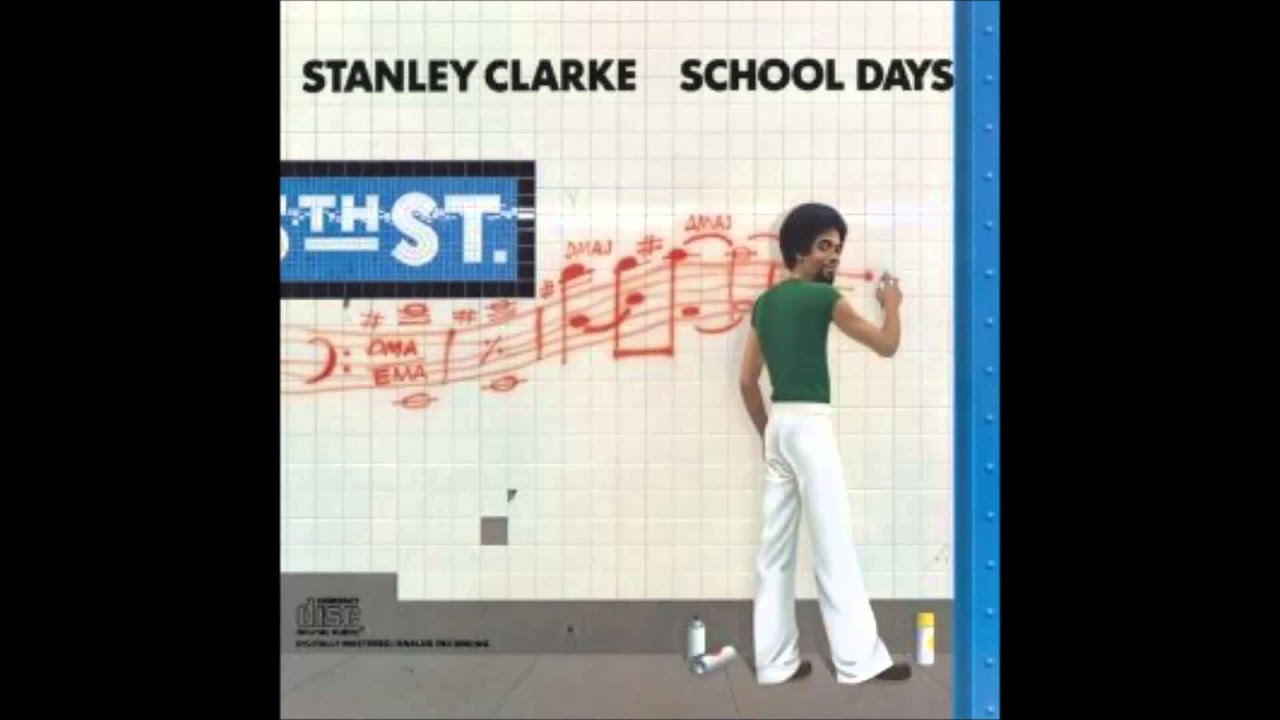
4. Stanley Clarke - School Days (1976)
“Stanley had heard Graham, too. He started on upright and I think it was Chick Corea who convinced him to switch over from acoustic to electric.
“He started on some other brand that he felt sounded horrible, so the guy who made Alembic basses was in the audience and came up to tell him it sounded bad and to try his guitar.
“The sound out of that thing was so different to anything we’d heard; it was bright and aggressive. Stanley’s playing was so strong, because he came from acoustic bass. He didn’t alter his attack much, haha! He was just plucking those strings, man. That technique was awesome… this was one of the first big albums for me.”

5. Jaco Pastorius - Jaco Pastorius (1976)
“At this point, I’m jamming on Graham, Clarke, that kinda stuff and suddenly Jaco came out.
“It was hard for me to get into at first. He was using a more muffled and muted sound, with less high-end. His pickups were kinda nasally.
“The first song I heard was Donna Lee. I hadn’t been introduced to jazz yet, even if I had been, he would have blown me away playing by himself through chord changes. It was like a conga; how many notes was he playing?
It eventually clicked to the point where I started to focus on fretless for two very important years
“The older bass players were so into him that I felt I owed it to myself to keep listening until I could figure out what was going on. I did appreciate the tone and lyricism of the fretless, how vocal its phrasing could be.
“It eventually clicked to the point where I started to focus on fretless for two very important years. I was still doing fretted gigs, but fretless is what I worked on.
“There are challenges in learning the articulation and how to phrase in a vocal style. I read that Jaco was trying to sound like Frank Sinatra when he played melodies. I didn’t want to sound like no Frank Sinatra, but maybe I could sound like Stevie Wonder?! I listened to soul and RnB singers to work out how to phrase like that.”

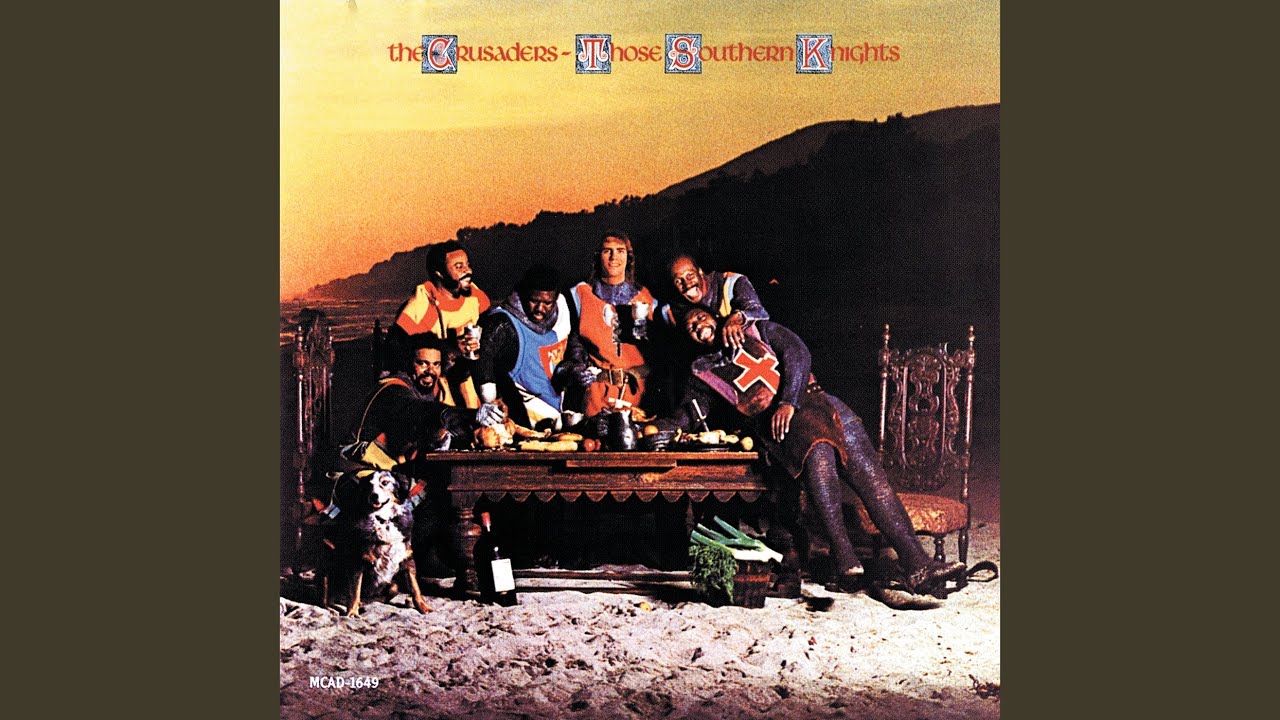
6. The Crusaders - Those Southern Knights (1976)
“This is a mid-'70s album from a legendary jazz/funk band. The bass player was Robert Popwell and everyone called him Pops. He was so underrated, one of the thickest and most soulful bass players ever.
“He wouldn’t do anything that would catch your ear if you were waiting for technique… he just knew how to hold that band together. I love his sense of feel.
“There’s a song I love called Keep That Same Old Feeling, but the whole album is dope.”

7. Tower Of Power - Back To Oakland (1974)
“I have to mention Tower Of Power. Their bass player, Francis ‘Rocco’ Prestia, had this incredible style, a lot of sixteenth notes, a very bubbly sound. Him and the drummer David Garibaldi, you can tell they ate the same food and watched the same movies. It all fit together so well.
“Along with Larry Graham, they helped me get into that Bay Area sound with badass horn sections. Rocco was a big influence on me when I was learning; I’d just stay in practising a lot of notes!”

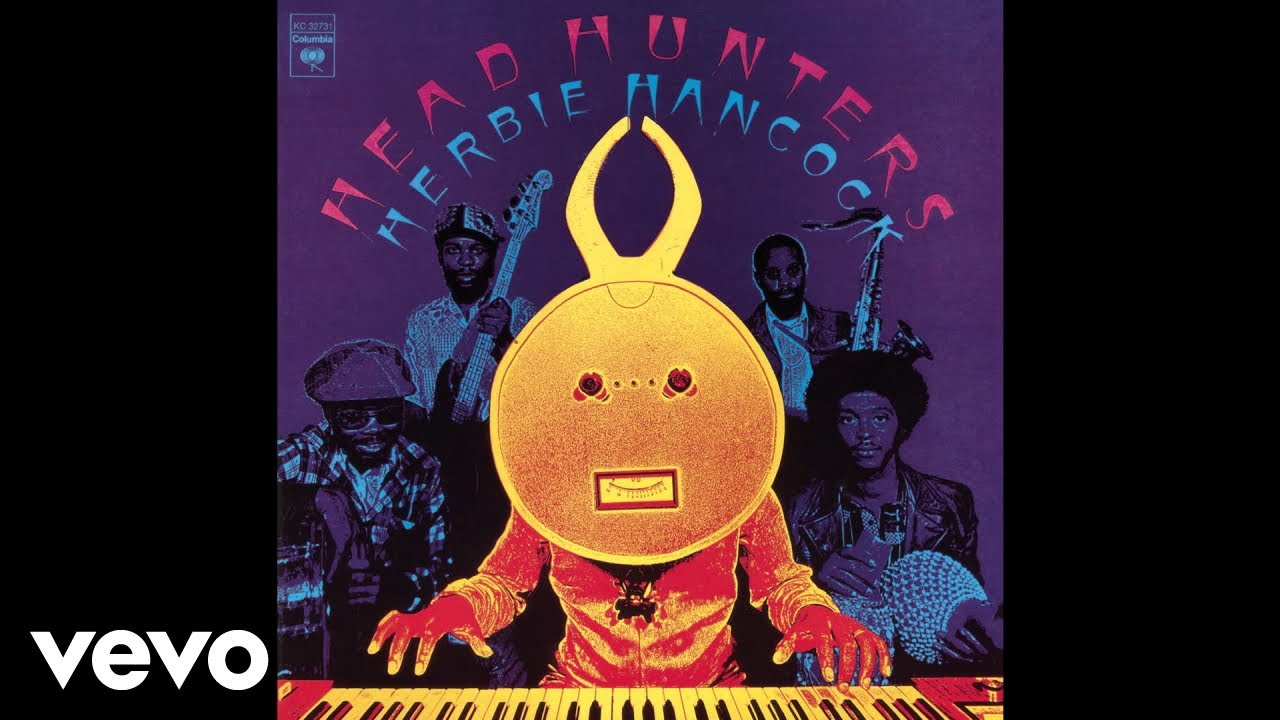
8. Herbie Hancock – Head Hunters (1973)
“This had a bass player called Paul Jackson, who was from The Headhunters. Their first album had a hit called Chameleon and had so much incredible bass on that album.
“Paul was also from the Bay Area, but he was a greasier version of Rocco with this old Telecaster Precision bass. He really rocked it and ended up being a big influence on how to hold a band together.”

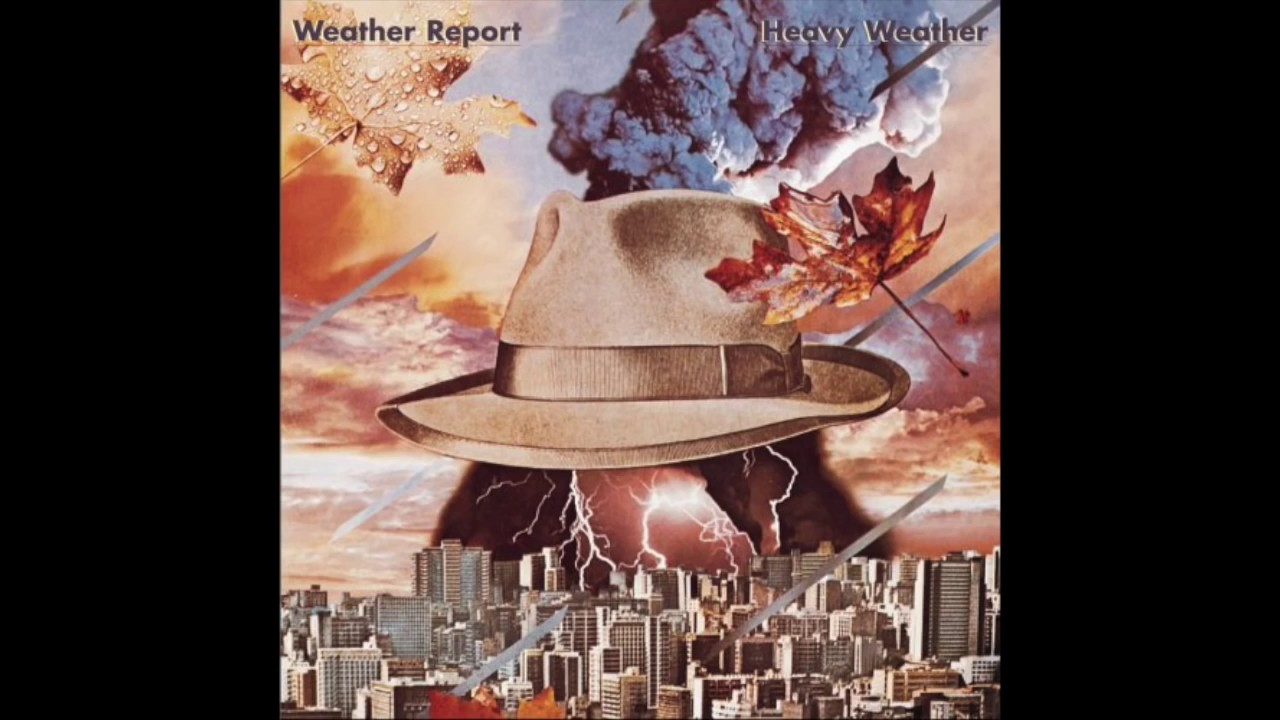
9. Weather Report - Heavy Weather (1977)
“This was Jaco Pastorius’s shining hour. In combination with the genius of Joe [Zawinul] and Wayne [Shorter], it’s easily one of my desert island records.
“Before Heavy Weather, they had another album called Mysterious Traveller… the player on that was Alphonso Johnson. He was highly underrated but badass.
“He was in Weather Report for a few years before Jaco; listen to what he did on the song Cucumber Slumber. He was this soulful player who used fretless basses and got into effects really early.
“I remember seeing Weather Report open for Earth, Wind & Fire in the mid-'70s; he was stepping on stuff the whole concert… even though he was only playing bass!”

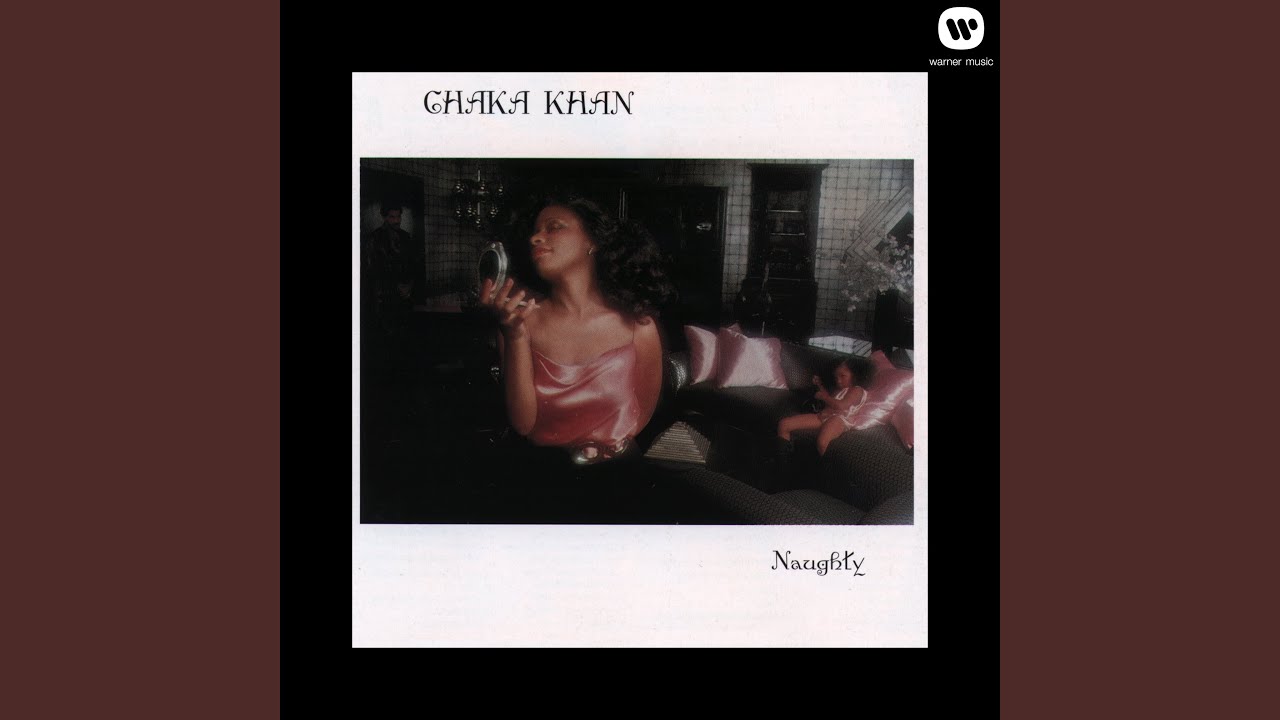
10. Chaka Khan - Naughty (1980)
“This is the album that has Clouds on it. I played on one of the tracks when I was very young. Anthony Jackson was the primary bass player on that album, and he just slaughtered his way through it!
“He’s a very stylised bassist; he’s very insistent on making sure his performances are up to his standards… which is very unusual for a studio musician in New York. Usually, if the producer says they like it, the musician will answer, ‘Hey you like it, I like it!’ and you move onto the next session.
You would do sessions for commercial jingles in the morning - Anthony Jackson used to turn up and get told he was playing notes that no TV could reproduce!
“He’s one of those guys that will say, ‘No, my bassline was unacceptable; I must do it again.’ He was a pain for some producers, but for Arif Mardin from Atlantic Records, the results of that patience were incredible.
“Anthony was very innovative: he’d showed up to the studio with three basses - one tuned E, A, D, G another D, G, C, F and the other lower than that for those sounds he could hear in his head.
“Then he convinced the luthier Carl Thompson to make him a bass with five strings… which was nuts at the time, in the early-'80s. You would do sessions for commercial jingles in the morning - he used to turn up and get told he was playing notes that no TV could reproduce! But he insisted and, again, he blew everybody’s mind on songs like Clouds.
“Robert Wilson, the player for the Gap Band, heard it on the radio and detuned his bass for Yearning For Your Love. You can hear the influence right there. He made Yamaha make him a five-string. Anthony changed the world with his desire to play lower notes on the bass.”

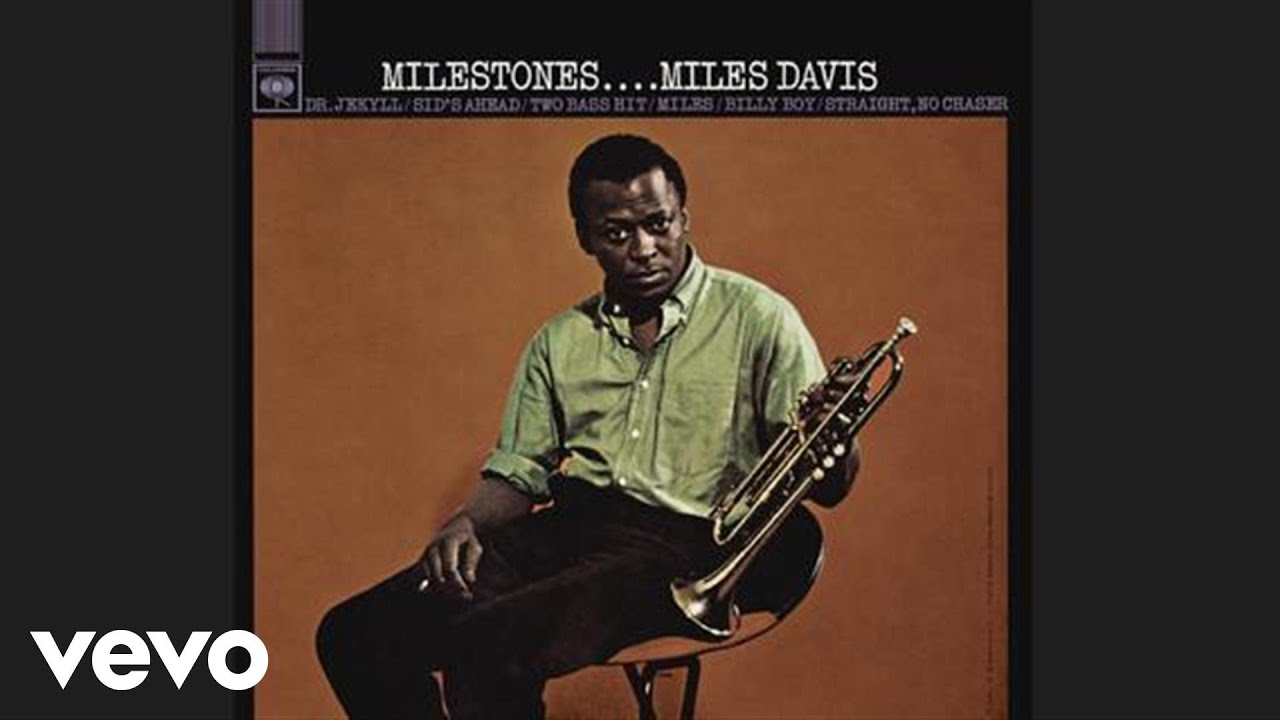
11. Miles Davis - Milestones (1958)
“This had Paul Chambers on the double bass. He’s my favourite bass player, followed by Ron Carter and Sam Jones.
“The reason I love Paul most is that he loved playing in time, doing rhythm and backing up the solos. Some players who like to solo, you can tell they don’t enjoy it when they’re not soloing; the timekeeping starts to suck and they get impatient! Other players love playing in time and when it’s time to solo, they don’t have much to say.
“Paul Chambers was complete. He could play in time for an hour with John Coltrane, Miles and those guys… then when it was time for him to solo, he’d kill it. I loved his dedication and completeness. He knew how to support as well as do his own thing.”

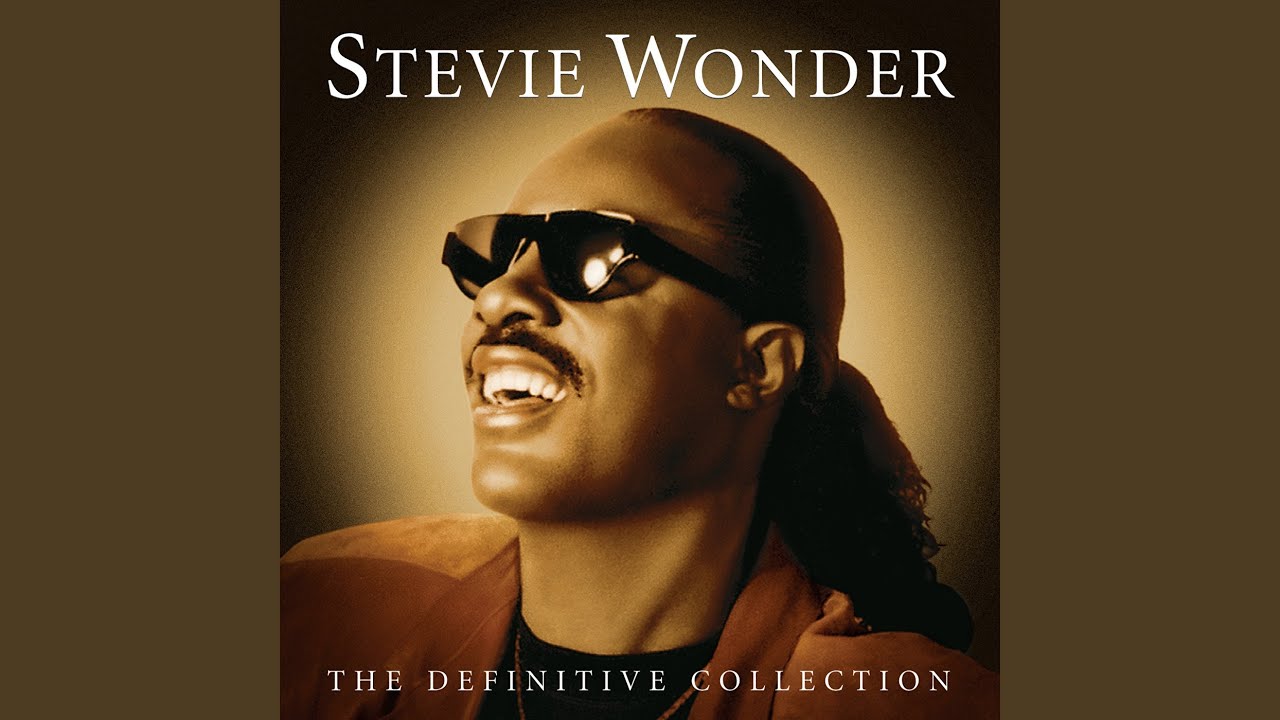
12. Stevie Wonder - Innervisions (1973)
“Stevie on the synth bass is a tremendous influence on me. There’s something about if the composer plays the bass, whether it be keyboard or guitar, he or she can play with a freedom that will never mess up the song.
He’s easily one of the most important bass players for me
“If you’re not the composer, you won’t think the same way; things you add don’t really add anything other than bring the attention to your bass. If that’s when the listener should be focusing on the singer, then it might not work out.
“If you are the composer or arranger, you know how to put stuff in that actually helps. What Stevie did on Boogie On Reggae Woman made that song fly.
“He’s easily one of the most important bass players for me. I know he’d be tripping to hear me say that… but if he thought about it, he’d say, ‘Well I guess I did kinda kill it!’”

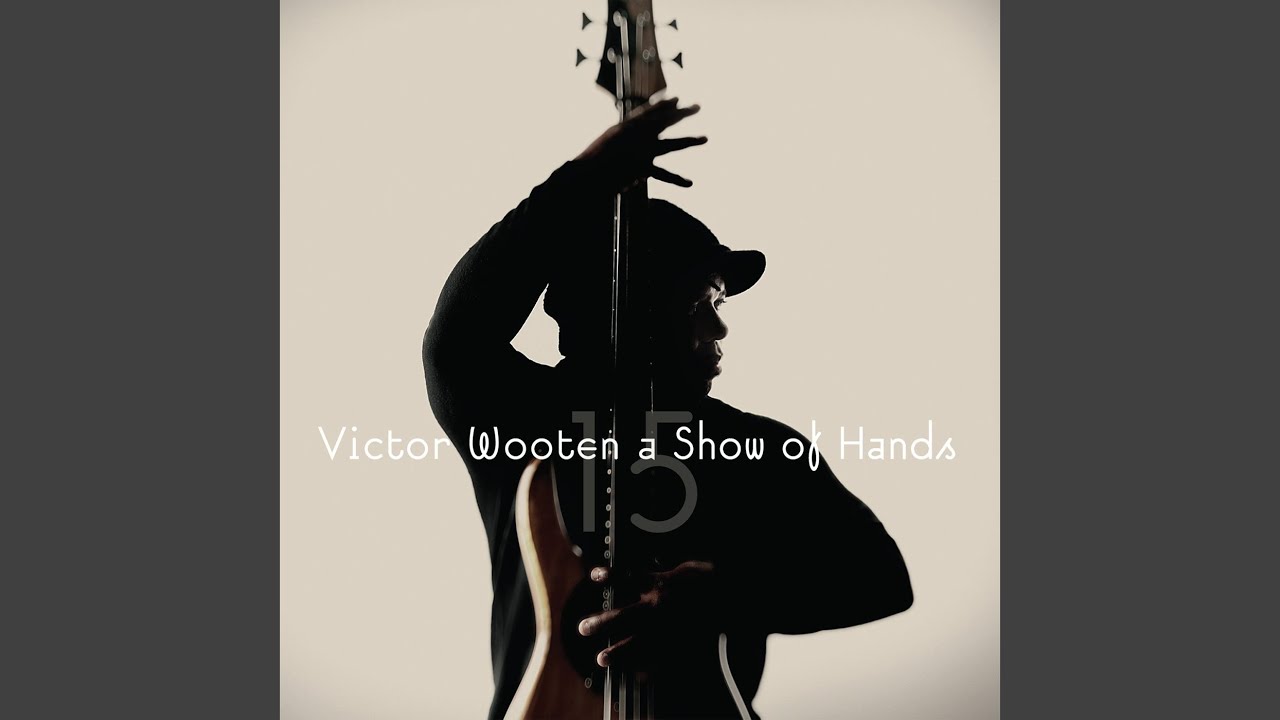
13. Victor Wooten - A Show Of Hands (1996)
“I have to choose this album just to show people where the bass went from there. He’s very free. If you ever meet him, you will recognise that he is just playing his personality.
“He’s the kind of guy that can suspend himself horizontally holding onto a telephone pole. He brings that mentality to the bass. It’s very physical and might not even be possible, but he’ll give it a try and always see if he can pull it off. He’s a very adventurous player.”