


Few bands encapsulated the optimistic spirit of early-1980s pop quite like Haircut 100. Formed in Beckenham by Nick Heyward, Les Nemes and Graham Jones, the group enjoyed meteoric success with a string of Top 10 hits including Love Plus One, Favourite Shirts (Boy Meets Girl), Fantastic Day and Nobody’s Fool.
And yet despite their debut album Pelican West becoming the biggest-selling record of 1982, the journey was all over by the following January as internal pressures forced the departure of frontman Heyward.
What followed was a failed second album, decades of near-misses, brief reunions and a persistent feeling of unfinished business…

With the group now back together following tours in the UK and US, this time it feels different.
The classic Haircut 100 line-up have finally created the follow-up that Pelican West deserved. We spoke to Nick, keen to learn more about the creative surge that fuelled their biggest songs and how the new album, Boxing the Compass, re-captures the chemistry, musicianship and flair that made the band such a unique force in British pop.
MusicRadar: You'd been in a few bands before forming Haircut 100 with Les Nemes and Graham Jones, so what was it about the new line-up that felt different?
Nick Heyward: “I got started in music with a friend when punk was taking off. We went down to Tin Pan Alley, where I bought a guitar and my friend Rob bought a snare drum and decided to start a band. From there, things gradually developed. We found other musicians and made a few line-up changes, but around 1979 I met Graham Jones outside a Wimpy Bar in Beckenham and we quickly became friends because we were both guitarists and shared a passion for music.
“Eventually, Rob decided to move on and pursue other interests. Musically, we were heading in different directions - he was more interested in bands like The Birthday Party, while Graham and I were starting to explore a funkier sound. Graham and I spent a huge amount of time together, especially as both of us had recently gone through breakups. We lived and breathed the band, rehearsed constantly and focused all our energy on making it work.”
MR: Is it true that you almost had to beg drummer Blair Cunningham to join the group?
NH: “After recording Favourite Shirts our producer Bob Sargeant told us that we needed a stronger drummer. He’d produced The Beat and the Lotus Eaters’ First Picture of You, which was an absolutely stunning song. We’d already met Phil Smith and Marc Fox by then, so Les and I went to see Blair play because we’d been told he was the best drummer in the universe.
“He'd cut his teeth working at Ardent Studios in Memphis for Stax Records. Imagine playing with Stax artists like Rufus Thomas and Maurice Wyatt? And his brothers were drummers too - Carl played with Otis Redding and died in that plane crash, so you can imagine the stories we’d hear. When Blair got behind the kit we were just flabbergasted - it was another level completely and we really upped our game.”

MR: Were there any songs from those pre-Haircut 100 days that later evolved into Haircut 100 material?
NH: “Loads of songs came out of the inspiration of working with Blair and I was evolving as a songwriter. I was only 20, but compared to what I'd written in the 1970s this was another level. Songs like Fantastic Day and October is Orange got better and better as the team started to fill in, but Bob Sargeant really whipped them into shape. Love Plus One sounded good, but once Bob got hold of it, it became really good.
“It was his job to make a pop single for Simon Potts - the head of A&R at Arista, and when you've got all these people in place you feel like you're in safe hands. I couldn't contain myself working in the studio with Bob and sound engineer Mark Dearnley who'd worked on records by AC/DC, Motorhead and Queen. I couldn’t believe what was happening.”
MR: Did you already have demos for tracks like Favourite Shirts prior to their being recording at Roundhouse Studios?
NH: “We’d made quite a few demos of Favourite Shirts and it was one of the main songs that got played at radio sessions, but it was Fantastic Day that got us signed. At that particular time, there was an overwhelming wave of bands coming through like 23 Skidoo, The Higsons, Pigbag and Rip Rig + Panic, as well as ABC, Funkapolitan and Blue Rondo à la Turk.
“It was a colourful period and we were all hanging out at Le Beat Route with bands like Spandau Ballet, who were really good-looking pop stars with stubble. Before that, pop music used to feel quite distant.”
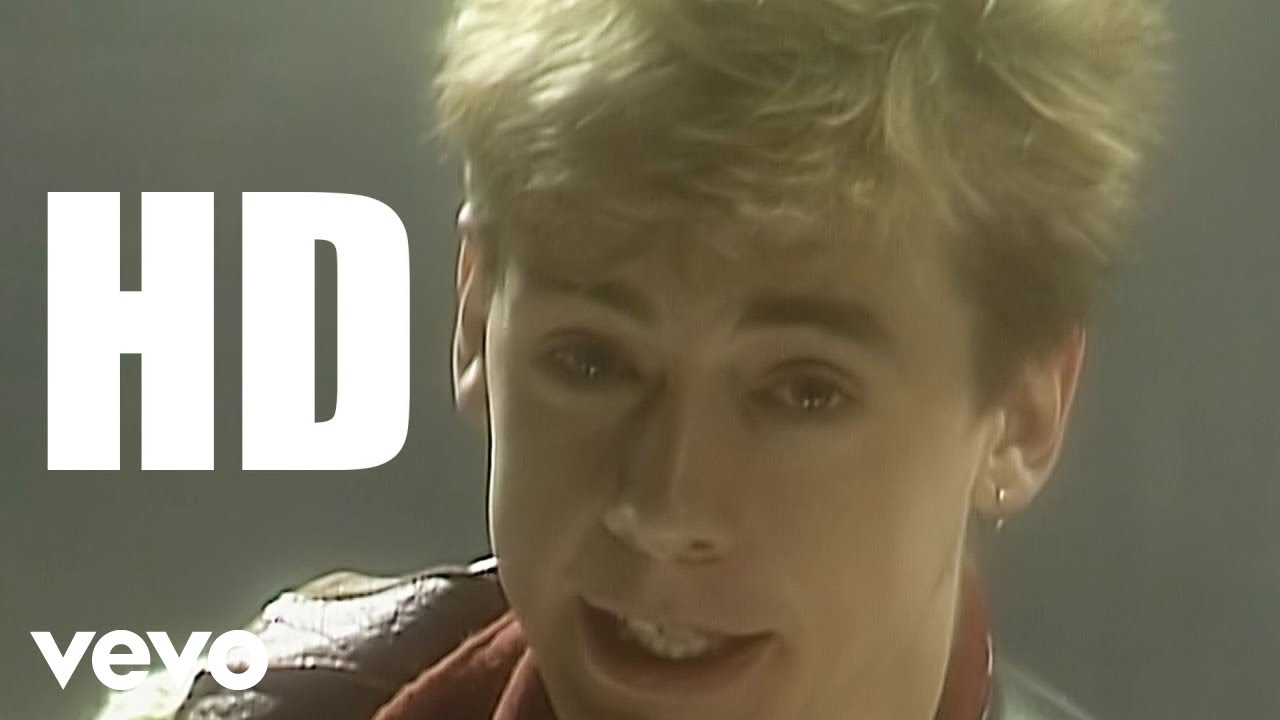
MR: Coming from Beckenham, did you ever bump into your soon-to-be pop colleagues, Japan?
NH: “We did around 1981 because I think we shared the same distributor, Ariola. They were often in the office and I remember David Sylvian and I shared the same Arista therapist. He was the guy you went to if you were feeling a little bit stressed and needed a B12 injection, or just to chat about things.”
MR: A label therapist sounds quite ahead of its time for 1982…
NH: “I suppose it was. I mean, it was very basic and naïve - nothing compared to now. He wasn’t a therapist as such. I went in there and he said, ‘Do you want a fag?’ I was like, ‘Oh, okay, but I don’t really smoke’. So I'm sitting there having a cigarette with the Arista doctor, and I could go into the finer details, but it helped for a bit… and then it didn't help.”
MR: Favourite Shirts has an extraordinarily high tempo. Did you have a very clear vision, or was it always your intention to play at breakneck speeds?
NH: “The reason our sound got faster and faster is because our former drummer Pat Hunt couldn't quite nail it and was taking all day, so he sped things up out of frustration. That was a happy accident, but we thought the music was almost getting too fast to dance to.
“Our live shows were like that anyway, and when Blair joined things got even faster. When I listen back to some of those early shows, it was more like Hare-cut 100 speeding across the meadow.”

MR: What sort of crowds were you playing to?
NH: “It was jazz-funk in the early days and we were playing at clubs like Cinderellas alongside Level 42, UK Players, Funkapolitan and Blue Rondo. Then Top of the Pops happened and it all went completely pop! We got a press agent, were suddenly on the front of OH BOY! Magazine and Jackie and it all went to another level.”
MR: Although Haircut 100 was seen as a pop band, you had serious players. Did you embrace the hysteria or did it feel like you weren’t being taken seriously?
NH: “When you’re 20 years old and someone asks whether you want to be on the front of a magazine and it might get like The Beatles if you're not careful, you don’t say, ‘Let me think about it.’ I'd be on my girlfriend’s bed flicking through Jackie magazine and seeing all the bands that I loved in the late ‘70s on the front page, so it was a unanimous ‘yes’, but we had no idea that it was going to affect us as much as it did.
“We didn't think we’d be on Look-in magazine cartoon strips and stuff, but I don't have any regrets. Sometimes you get your idealistic, utopian head on, think about what you could have done and play around with that mental time machine. There were lots of things we’d have liked to adjust, but it's impossible to think like that - everything that happened, happened.”
MR: What inspired the song Love Plus One, and did you know the track had huge potential when you wrote and recorded it?
NH: “I didn't even think it was a single. Bob moulded it into one, but before that it was more like a Talking Heads track with an Fmaj7 guitar chord. I was actually chatting to guitarist Tim Jenkins yesterday, who was in the band too, and he said, ‘Do you remember when we were playing around and discovered F?’
“We were so thrilled about what we could do with this new chord that I took it round to Les’s flat because I knew that if he could add a great bass line then it would have potential, otherwise the track would never really progress. But adding F to Fantastic Day was a bit like poking a Hungarian bear in the forest. Les didn't particularly like the song, even though it really went down well live, but that was the one time he said ‘I’m glad you poked me.’”
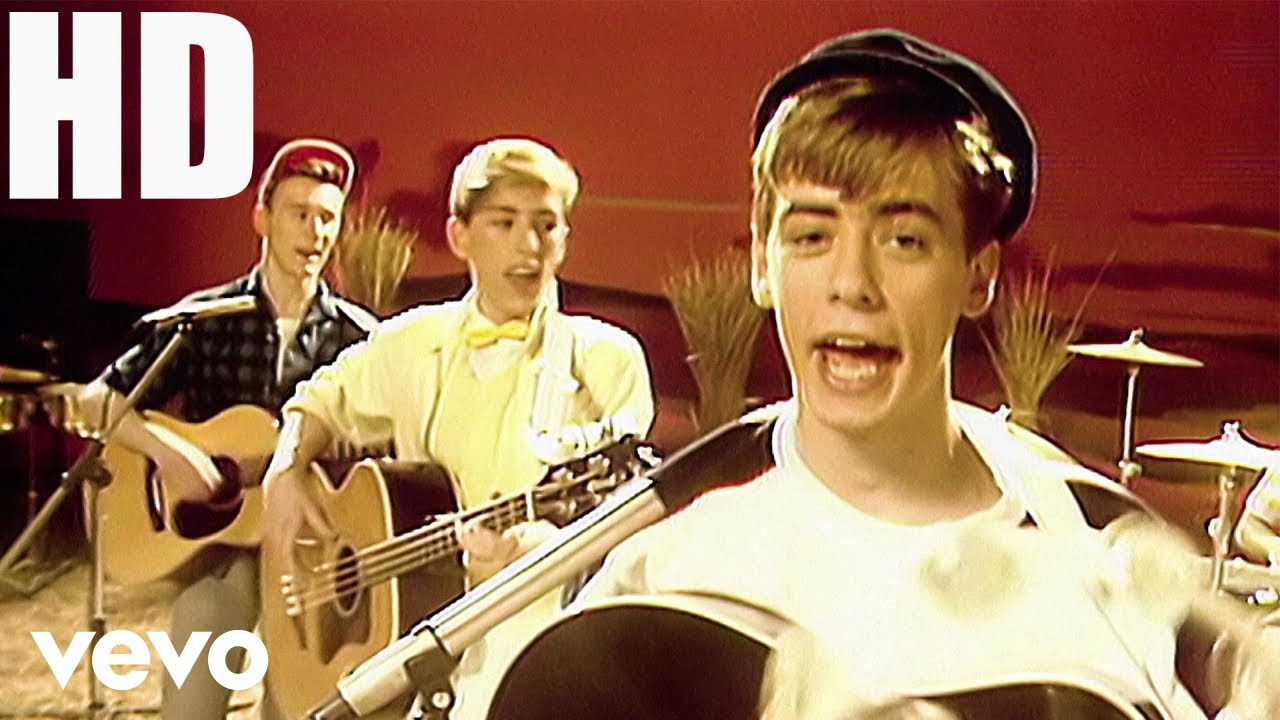
MR: Did writing songs like Love Plus One and Fantastic Day come naturally to you?
NH: “I’ve got songs coming to me 24/7. It's like The Generation Game - they’re passing in front of you and sometimes you get a cuddly toy. With Fantastic Day I remember thinking, ‘Is that something?’ People often say ‘It’s a fantastic day' - but I remember saying to myself, ‘I don't think anybody's actually written a song called 'Fantastic Day'… that would be cool!’”
MR: Without dwelling on the breakup of the band too much, would it be true to say that you were forced into becoming a solo artist by circumstance?
NH: “I just wanted to get away from all the mess that had been created when things started to unravel, but I was still writing songs and was signed to Arista. The band wanted to move on and find another record company, but I just needed to have a break of some sort. Being successful is nothing like what you see. It's so inspiring to watch Stardust or Top of the Pops and think ‘That'll be me one day’, but you're getting a glimpse rather than the reality of it.
“I've known so many people who’ve said, ‘I’m going to change the whole of the record business and sign all these great bands’, but within a week they're conforming to it. It’s not unlike a politician who has all these aspirations to change their country and after a week or two they're just trying to keep their job. The only way to bring about change is to just stay in it; otherwise it’ll spit you out.”
MR: At one point Haircut 100 reunited for that VH1 show where they’d try to get old bands back together. Was that an awkward experience?
NH: “It was authentic and the programme was well put together, but I remember Richard Blade walking up my driveway and thinking, ‘oh no, I'm going to be on camera and I'm nowhere near my fighting weight at the moment’. I'd been eating all the pies and they wanted us to perform a gig one week later, but it was a nice sunny day so I said yes immediately.
“It was an enjoyable experience and we tried to stay together, but the whole reason we split up was because we didn’t have a manager, and we didn’t have one then either so everything just drifted apart. Years later we got back together again thanks to Melvyn Taub who had this crazy idea of becoming our manager. We also got some help from the BBC’s Piano Room and Joff Hall at Kilimanjaro Live, who booked us a gig.
“Sadly, Melvyn was cruelly taken from this world by pancreatic cancer, but he was a lovely man. I still can't believe he’s gone, but a lot of the energy we have now is in his honour. With Melvyn’s help, we got back up and running and now we've done two American tours, two British tours and an album.”

MR: When you decided to work on a follow-up to Pelican West, did you take a different approach to how you’d normally write material as a solo artist?
NH: “Yes and no. Songs like Raincloud and Soulbird were pretty much done - we just had to chew them around to make them ours, and at that point I've got to detach myself from the songs in some way. That’s pretty easy to do, because the process of working with Haircut is so comfortable for all of us. Blair starts playing drums and Les comes up with something and we start smiling, so sometimes we have prepared songs and sometimes we just go in and start jamming.
“Basically, everybody takes their position on the pitch and I stand at the mic like I did when I was standing in my bedroom singing Fantastic Day for the first time. It’s not that dissimilar to the early days: we take our positions, off we go and sometimes something comes through and I’ll put a guide vocal down to help the song.”
MR: Acoustic guitar seems to be an underlying driver on both Pelican West and Boxing the Compass. Is that your primary songwriting instrument?
NH: “Funnily enough, acoustic guitar is usually an overdub in the Haircut world. When Graham and I are weaving things together, we’re usually using electric and Les is trying to nail his bass part. We're also just trying to have fun and that's usually when we hit on something. But you can't be dogmatic about this stuff… or you can be, but it wrecks creativity. People sometimes say, ‘I’ve got a formula,’ well, yeah, and you've just stopped 700 songs coming your way [laughs].”
MR: The track Soulbird would have easily been a hit in 1981. Does it rankle that you can write songs as good as you used to, but they’re not going to sell as much for reasons beyond your control?
NH: “It’s a shame because I agree that Soulbird would 100% have been a hit. You do your best to make that happen, even though you know it's not going to happen in the same way. It's not contemporary sounding, like Rolling in the Deep, but we're not going to try and be something we're not either. If a track happens to sound like a hit from 1982, then job done because that's what we are.”
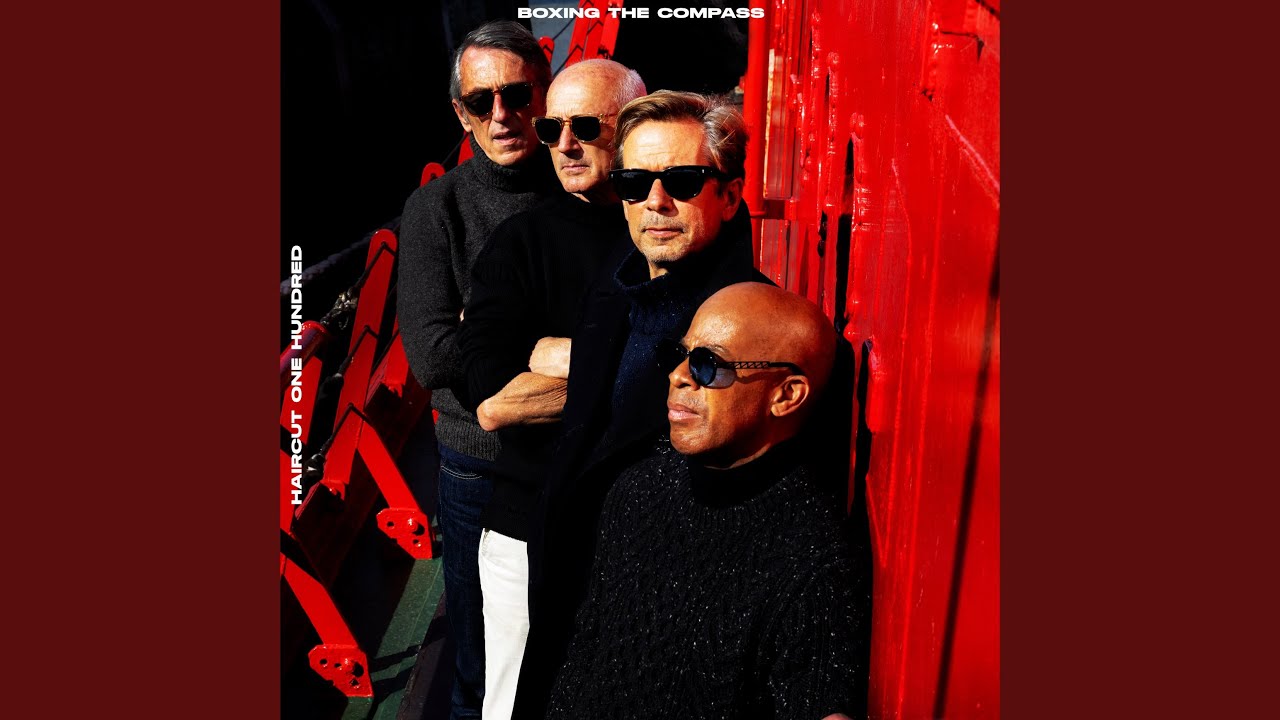
MR: At the same time, have you noticed an evolution between the two LPs?
NH: “The vinyl showed that more, because our mix engineer Jeff Cooper really knows his onions, and Danton Supple knows how to get things to sound great on the radio, which is where Haircut lives. There's no budget at the moment to spend two weeks recording albums at Abbey Road or RAK, but it might be there if we continue. That’s the whole point of staying together and keeping things going.”
MR: Do you embrace technology and work with tools that didn’t even exist back in 1982?
NH: “I embraced that stuff during Covid and relearned Logic, so I can find my way around that, but I won't be mixing a song anytime soon because I want to be able to stand back and get an objective perspective. When you get too involved I think you lose yourself, so I don't want to get too deep into the world of plugins.
“Sometimes I think, wouldn't it be nice to learn jazz, piano or classical composition, but I haven't got enough time to do all those things. It’s hard enough to get up in the morning, meditate and just… eat [laughs].”
Haircut 100’s Boxing the Compass is out now on October is Orange Ltd. For more information, visit here.