


Is Gavin Harrison the hardest working man in progressive rock? He’s certainly been busy over the past couple of decades playing drums for Porcupine Tree, The Pineapple Thief and the legendary prog pioneers King Crimson.
His tenure with King Crimson began in 2008 when he performed alongside a second drummer, Pat Mastelotto, formerly of Mr Mister.
Later, from 2014 to 2020, Harrison was part of Crimson’s three-drummer line-up along with Pat Mastelotto and Bill Rieflin, the latter having played with industrial rock acts Nine Inch Nails and Ministry as well as a stint with REM.
In the long history of King Crimson – shaped by maverick guitarist Robert Fripp – there have been numerous landmark albums and complicated songs with tricky time signatures. So which did Harrison find the most challenging to play?
He chooses a song that was originally released back in 1981 – the title track from the band’s eighth studio album, Discipline.
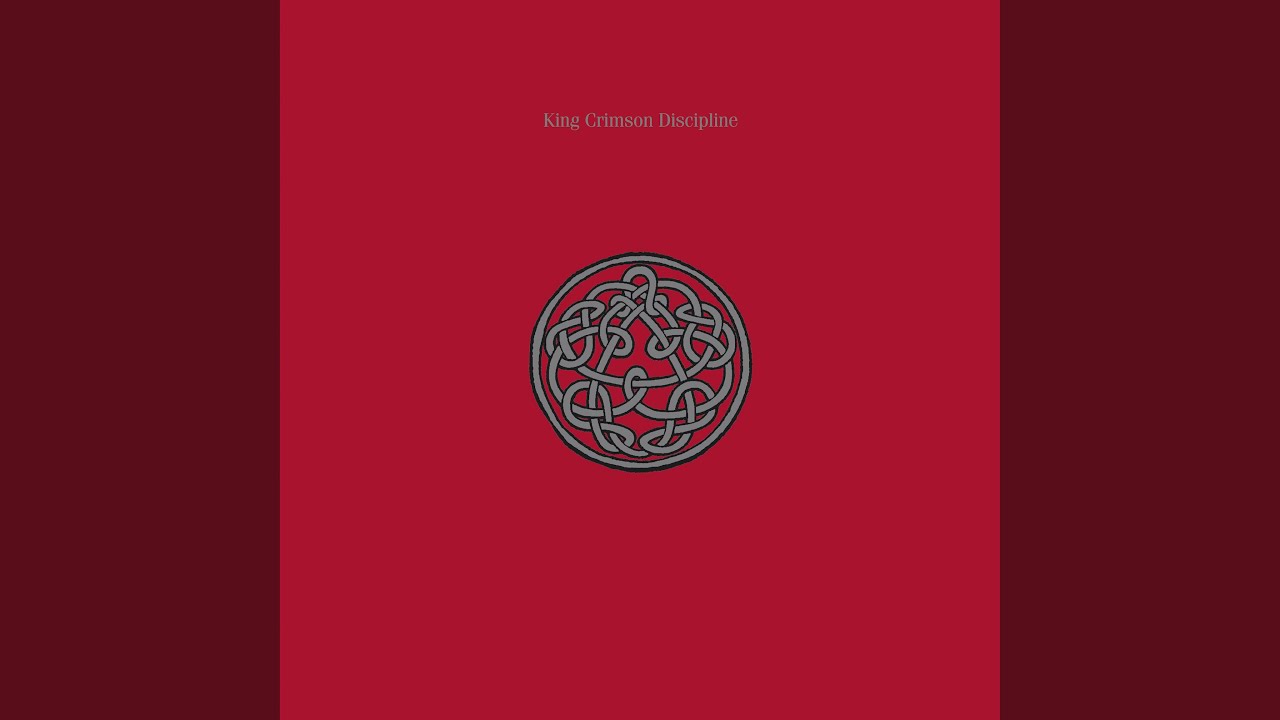
Harrison smiles when he tells MusicRadar: “I used to love playing Discipline. That might be the hardest song to play, and I had to arrange it for three drummers.
“Discipline is spectacularly hard because the guitars play in 5/4 and the drums play in 17/8.
He explains: “When the guitars are playing in 5/4, after a certain amount of 5/4 bars – let’s say, from Robert’s perspective after, I don’t know, I’ve never counted, but something like 30 bars – you go to the next section, which is in 4/4.
“The drums and the bass are playing in 17/8. When you get to that point of, let’s say, bar 31, the downbeat of bar 31, you won’t be on the one of your 17/8 pattern. You’ll be somewhere in the middle of a bar of 17/8. So you need to know how much of that 17/8 bar do I need to play to land me on the top of beat one, let’s say bar 31. Then it goes into 4/4. And then it goes back to 5/4 and 17/8.
“Now, the next time it goes to the 4/4 section isn’t 30 bars. Next time, it's like 25 bars of 5/4. So again, you’re in the middle of a 17/8 bar, but it’s not the same amount as it was the first time. So you’ve got to remember – when you get to your final 17/8 bar, the first time you’ve got to play something like six beats of that, the next time you’ve got to play nine beats of that 17/8 bar. The third time is the same as the first time, and the fourth time, you’ve got to play, like, 11 beats of that 17/8 bar to land you on the one.”
He takes a breath and continues: “You’re listening to the bass because Tony [Levin] is playing the 17/8 with you, but you can’t really consciously also listen to the guitars in five and hear them in five. They’re just floating by by your window in five. You can’t possibly count the 5/4 bars whilst you're playing in 17/8.
“You just need to know after you've done 13 bars of 17/8, you play the first six beats of the next 17/8, and then the next note, you’re all gonna land with the guitars on a massive one that will be in 4/4.”
Harrison says in conclusion: “The concentration to stay on track on that song is very, very high. You use a lot of brain cells with that one.
“It’s a very clever piece of music. I love playing it, and I love hearing it. But it requires a lot of concentration and being in the moment to play that song. Oh, it’s a tough one!”
